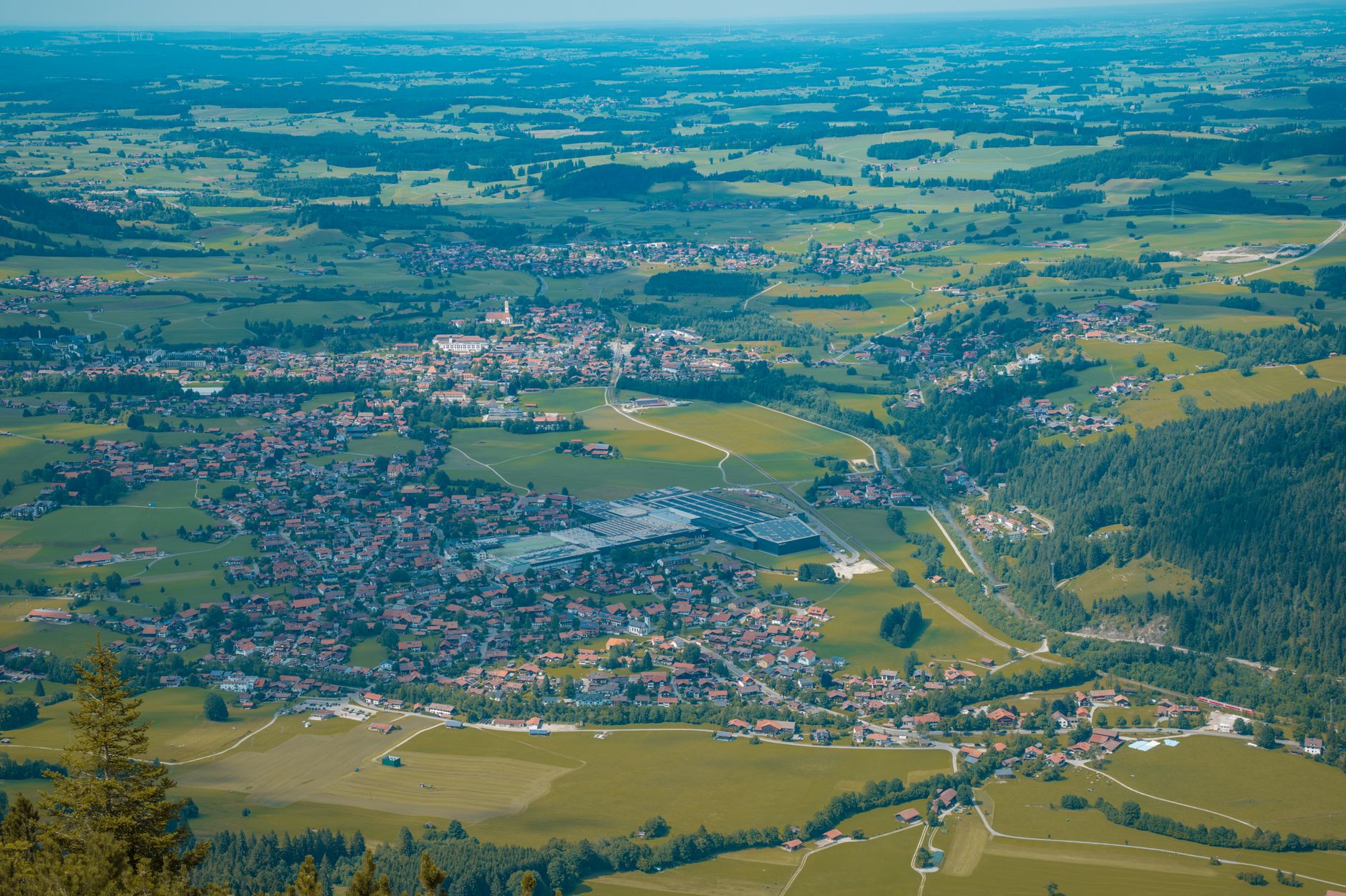
Oldest Murder Mystery Revealed
A 5,000-year-old corpse named Ötzi was found in the Ötztal Alps with an arrowhead in his shoulder. The discovery was made by German hikers Helmut and Erika Simon in 1991. Ötzi's body revealed significant clues about his death, including a deep gash on his hand.
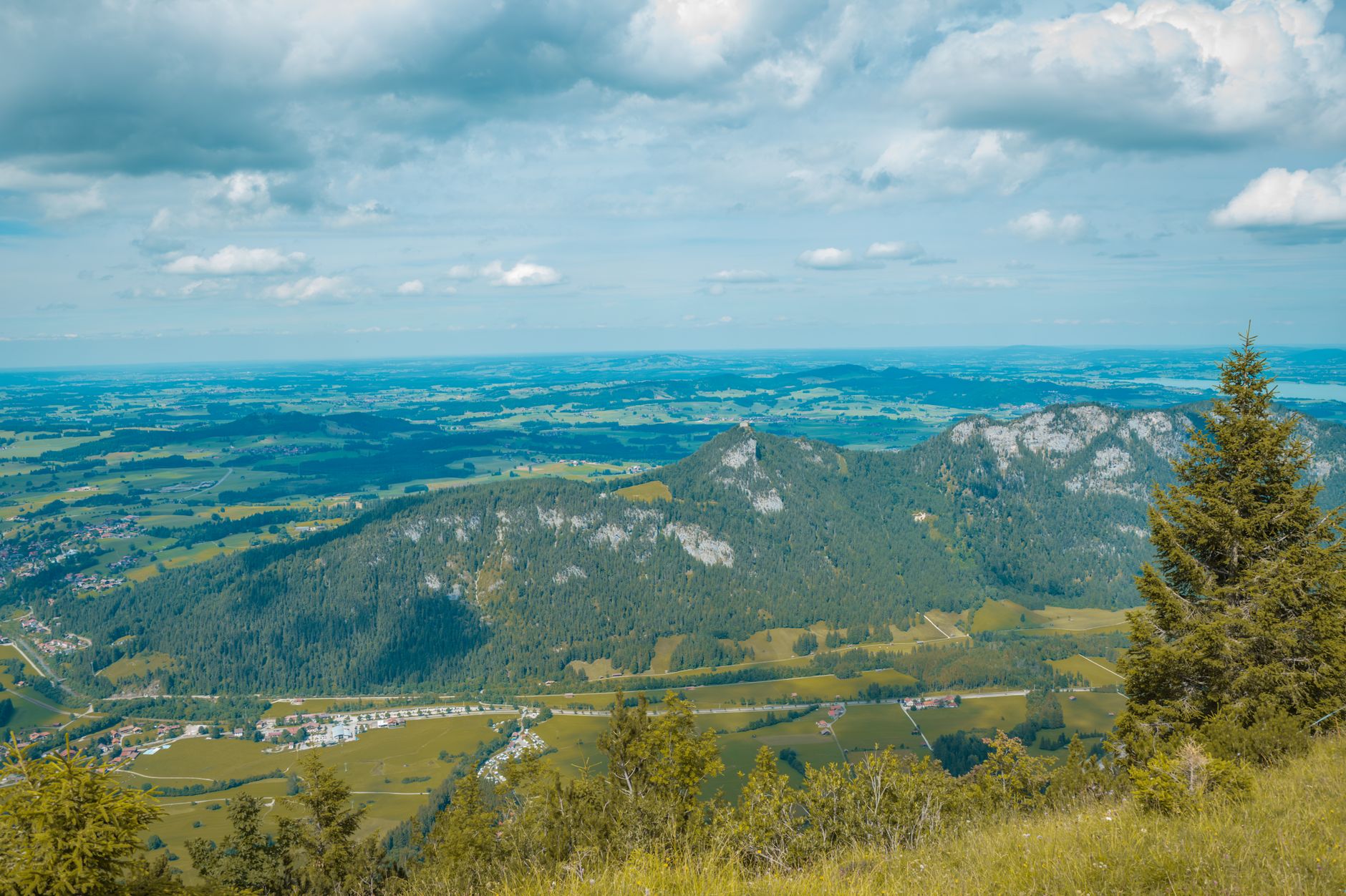
Photo by Leon Aschemann on Pexels
The Oldest Murder Mystery in History Revealed by a 5,000-Year-Old Corpse
On September 19, 1991, German hikers Helmut and Erika Simon stumbled upon a 5,000-year-old corpse in the Ötztal Alps, near the border of Austria and Italy. The body, later named Ötzi, was found with an arrowhead lodged in his shoulder and a deep gash on his hand. Archaeologist Konrad Spindler from the University of Innsbruck was called to the scene to investigate the discovery.
What Everyone Knows
Most people think that ancient societies were relatively peaceful, with violence being a rare occurrence. The standard story goes that early humans lived in small, harmonious communities, where disputes were resolved through diplomacy and cooperation. However, this narrative is oversimplified and does not account for the complexities of human nature. As historian Lawrence Keeley notes in his book "War Before Civilization," evidence of violence and warfare can be found in the archaeological record, challenging the idea of a peaceful past.
What History Actually Shows
Historian Luigi Capasso argues in his book "Injury and Death in the Ancient World" that Ötzi's body provides evidence of a violent death, with the arrowhead and gash on his hand suggesting a brutal attack. On June 24, 1992, Spindler and his team began excavating the site where Ötzi was found, and by 1994, they had uncovered a wealth of information about the ancient corpse. Ötzi's body had high levels of arsenic and mercury, suggesting that he was exposed to these toxins in the months leading up to his death, which was dated to around 3300 BC. Archaeologist Albert Zink, who analyzed Ötzi's body, believes that the presence of these toxins is a key factor in understanding the circumstances surrounding his death. By 1998, researchers had pieced together a narrative of Ötzi's final days, which included a violent confrontation that ultimately led to his murder. Historian Robin Lane Fox notes in his book "The Classical World" that Ötzi's death is not an isolated incident, but rather part of a larger pattern of violence in ancient societies. As researchers continue to study Ötzi's body, they are gaining a deeper understanding of the complexities of human nature and the realities of life in ancient times. On October 15, 2000, a team of scientists published a paper in the Journal of Archaeological Science, detailing their findings on Ötzi's body and providing further evidence of the violent nature of his death.
The Part That Got Buried
Historians at the University of Innsbruck, led by Dr. Konrad Spindler, were the first to study the corpse, but their findings were largely ignored by the academic community due to the controversy surrounding the discovery. Dr. Spindler's team made several key discoveries, including the fact that the victim had been shot with an arrow and had suffered a severe head wound, but their research was not widely accepted. The university's decision to limit access to the corpse and related artifacts also hindered further research. Specifically, the lack of funding for radiocarbon dating and other advanced forensic techniques made it difficult for researchers to confirm the age and identity of the corpse, which in turn made it harder to attract attention from the broader academic community. As a result, the discovery of the 5,000-year-old corpse was relegated to a footnote in the history books, and it was not until decades later that the full significance of the find was recognized.
The Ripple Effect
The discovery of the 5,000-year-old corpse has had a direct impact on modern forensic science, particularly in the development of techniques for analyzing ancient DNA. The corpse, which was found to be that of a Copper Age hunter, has provided scientists with a unique opportunity to study the genetic makeup of ancient humans. This research has led to a greater understanding of human migration patterns and the spread of diseases, and has also informed the development of new methods for analyzing DNA evidence in criminal investigations. For example, the DNA analysis of the corpse has been used to inform the development of new techniques for extracting DNA from ancient bones, which has been used in modern criminal investigations, such as the identification of human remains in mass graves.
The Line That Says It All
The 5,000-year-old corpse found in the Alps was determined to have died from a combination of arrow wounds and blunt force trauma to the head.
A Note on Sources
This article draws on historical records, documented accounts, and academic research related to the Copper Age and the history of forensic science.