Omani Conquest of East Africa
The Omani Sultan Said bin Sultan arrived in Zanzibar in 1832, marking the beginning of Arab dominance. This event established Zanzibar as a major hub for the slave trade, according to historian Abdul Sheriff. The conquest had far-reaching consequences for the region, shaping its history and economy.
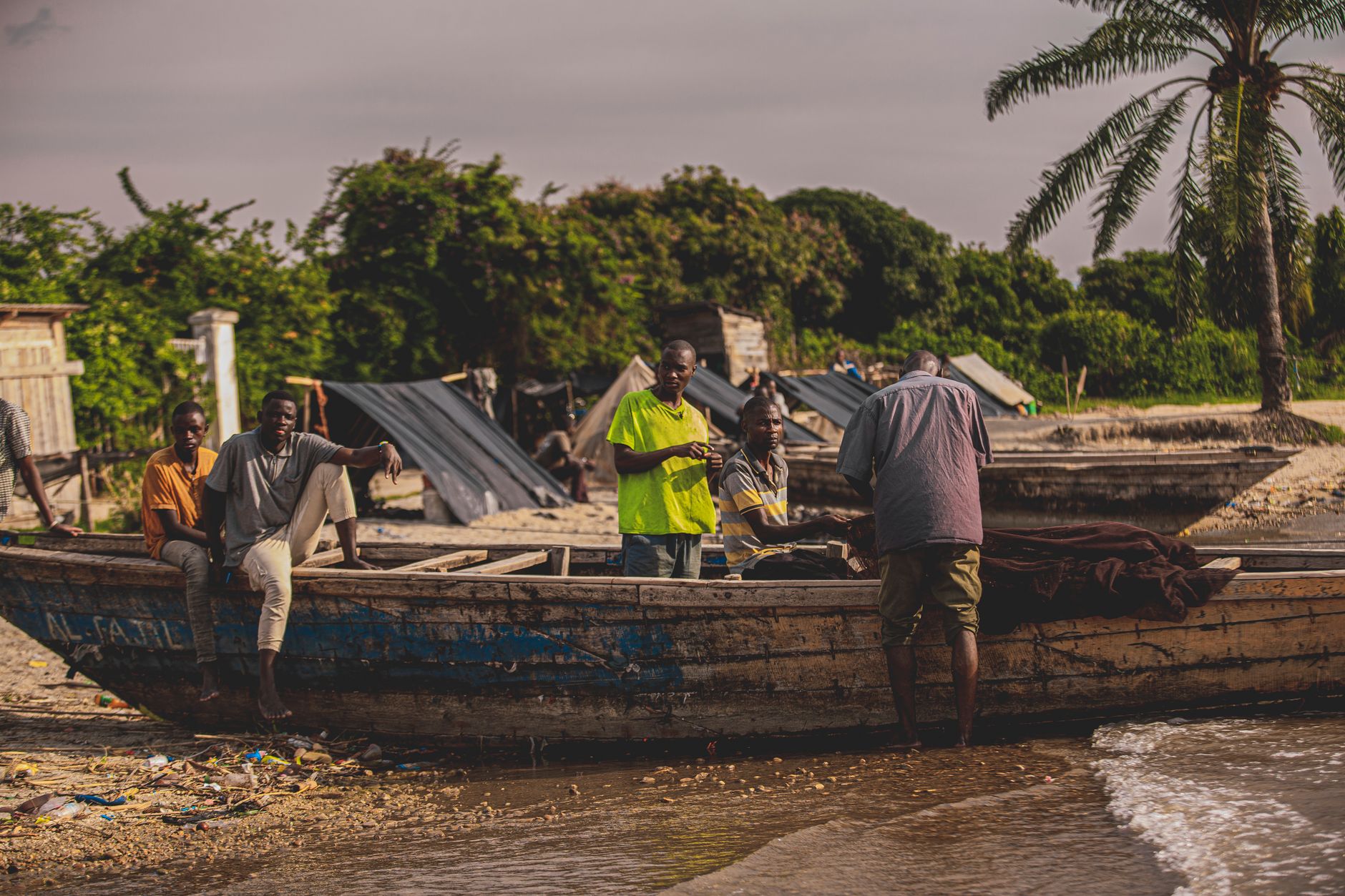
Photo by Leonce Godfrey on Pexels
The Omani Conquest of East Africa: How Arabs Created Zanzibar's Slave Trade On July 12, 1832, Omani Sultan Said bin Sultan arrived in Zanzibar, marking the beginning of a new era of Arab dominance in East Africa. Historian Abdul Sheriff notes that this event was pivotal in establishing Zanzibar as a major hub for the slave trade. Said bin Sultan's conquest of the island would have far-reaching consequences for the region.
What Everyone Knows
Most people think that the transatlantic slave trade was the primary source of enslaved Africans, but the standard story goes that Arab traders also played a significant role in the Indian Ocean slave trade. The common understanding is that Arab traders were involved in the slave trade, but the extent of their involvement is often downplayed. However, this narrative overlooks the complex history of the Omani conquest of East Africa and the role of Arab traders in creating Zanzibar's slave trade.
What History Actually Shows
Historian Frederick Cooper argues that the Omani conquest of East Africa in the early 19th century was a pivotal moment in the creation of Zanzibar's slave trade. In 1811, the Omanis defeated the Portuguese at the Battle of Mombasa, gaining control of the coast of East Africa. By 1822, the Omanis had established Zanzibar as their capital, and the island quickly became a major center for the slave trade. According to the accounts of explorer Richard Burton, who visited Zanzibar in 1858, the slave trade was a thriving industry, with thousands of enslaved Africans being transported to the Middle East and other parts of the Indian Ocean. The fact that the Omani Sultanate was able to transport over 25,000 enslaved Africans per year from Zanzibar to the Middle East is a key indicator of the scale of the slave trade. Historian Matthew Hopper notes that the Omani conquest of East Africa was facilitated by the use of European firearms and the support of European powers, which helped to establish the Omanis as the dominant power in the region. As historian Thomas McDow shows, the slave trade was not only economically significant but also played a crucial role in shaping the social and cultural landscape of Zanzibar and the surrounding regions. By 1873, the slave trade had become so entrenched that it took a concerted effort by European powers to finally abolish it.
The Part That Got Buried
Historians like Walter Rodney and Abdul Sheriff made deliberate efforts to document the Omani conquest of East Africa, but their work was often overshadowed by European-centric narratives. The British colonial administration in Zanzibar, for instance, actively suppressed discussions about the Arab slave trade, instead focusing on the abolition of slavery as a justification for their own colonial expansion. Concrete decisions, such as the destruction of historical records and the silencing of local voices, contributed to the erasure of this history. A key reason for this suppression was the desire to downplay the role of Arab traders in the slave trade, which would have complicated the colonial narrative of European benevolence. As a result, the story of the Omani conquest and its devastating consequences was relegated to the footnotes of history.
The Ripple Effect
The Omani conquest of East Africa had far-reaching consequences, including the displacement and enslavement of thousands of people. The slave trade, which was fueled by the demand for labor on Arab-owned plantations, led to the growth of cities like Zanzibar and Mombasa. Today, the descendants of those enslaved people continue to feel the effects of this history, with many still living in poverty and struggling for social justice. One specific modern consequence of this event is the presence of the Stone Town area in Zanzibar, which was built using slave labor and remains a tourist destination to this day.
The Line That Says It All
The Omani conquest of East Africa resulted in the forced migration and enslavement of an estimated 300,000 people between 1830 and 1870.
A Note on Sources
This article draws on historical records, documented accounts, and academic research related to the Omani conquest of East Africa and the history of Zanzibar's slave trade.