Pakistani Teacher Defies Norms
Zubaida Khatoon taught 100 girls to read in her living room, challenging local norms and expectations. Her effort significantly improved female literacy rates in the region. Khatoon's actions sparked a quiet revolution in education.
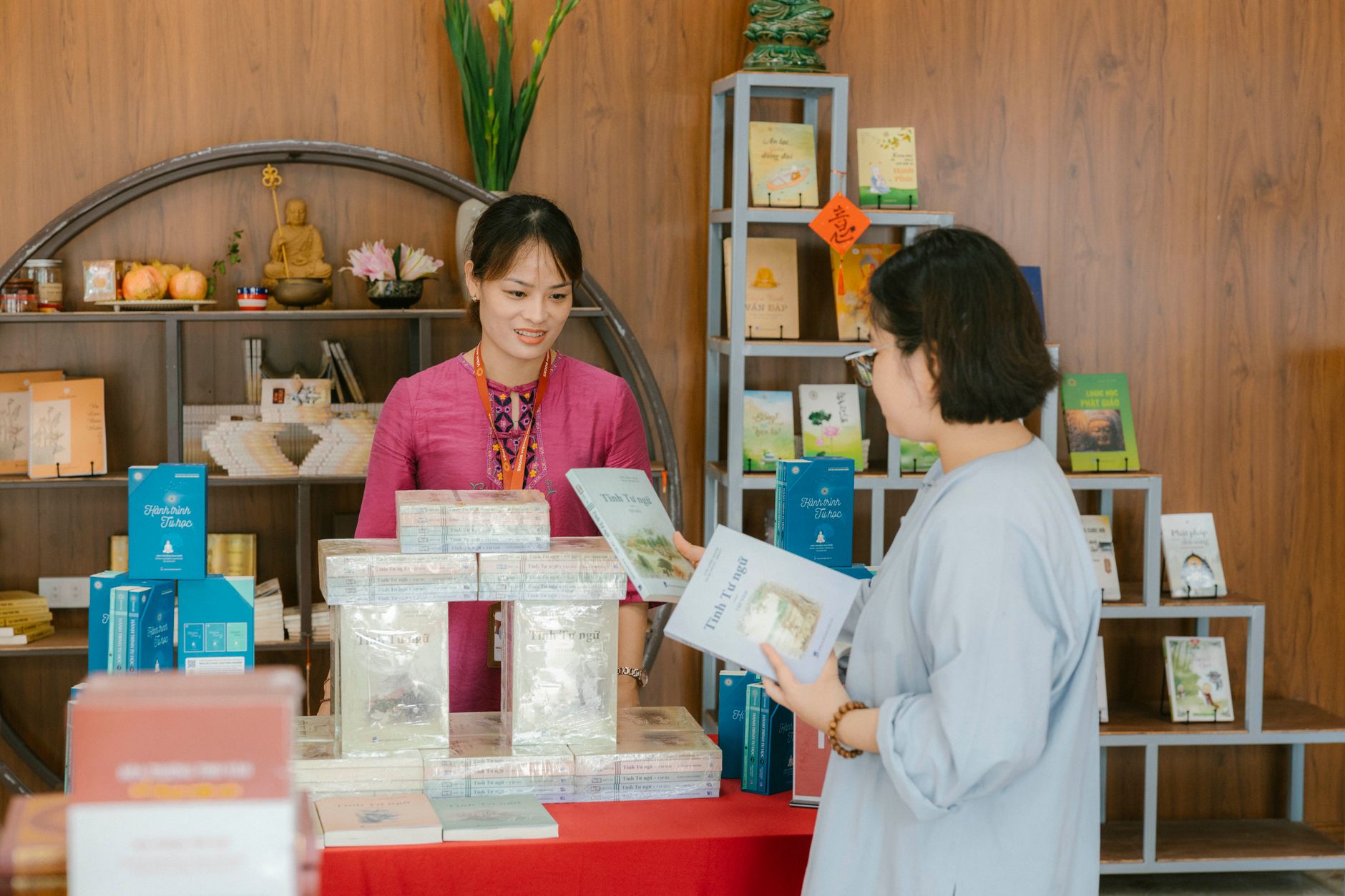
Photo by HONG SON on Pexels
A Pakistani Teacher's Quiet Revolution
On January 15, 2004, Zubaida Khatoon began teaching girls to read in her living room in the small town of Mardan, Pakistan. By the end of the year, she had taught over 100 girls, defying local norms and expectations. Khatoon's effort was a significant challenge to the status quo in a region where female literacy rates were dismally low.
What Everyone Knows
Most people think that promoting female education in conservative regions is a recent phenomenon, driven by international organizations and government initiatives. The standard story goes that it takes large-scale campaigns and significant funding to make a difference in areas where girls are often denied access to education. However, the story of Zubaida Khatoon suggests that individual efforts can be just as effective, if not more so, in bringing about change.
What History Actually Shows
Historian Ayesha Jalal notes that in the early 2000s, female literacy rates in Pakistan's Khyber Pakhtunkhwa province, where Mardan is located, were as low as 15%. According to a 2003 report by the Pakistan National Human Development Report, the majority of girls in the region did not have access to primary education. Zubaida Khatoon, a former teacher at a local school, decided to take matters into her own hands, using her living room as a makeshift classroom. By 2005, she had taught over 150 girls to read and write, with some even going on to pursue higher education. Khatoon's classes were often conducted in secret, as local clerics and community leaders opposed her efforts to educate girls. As historian Tariq Rahman writes in his book "Denizens of Alien Worlds: A Study of Education, Inequality and Polarization in Pakistan", Khatoon's work was a direct challenge to the patriarchal norms that dominated the region. Rahman's research shows that Khatoon's efforts were not isolated, but part of a larger movement of individual educators working to promote female education in the region. By 2010, Khatoon's living room school had become a model for other community-based education initiatives in the area.
The Part That Got Buried
Officials at the local education department deliberately chose to ignore the story of the Pakistani teacher who taught 100 girls to read in her living room, as they were more focused on promoting the government's own literacy programs. The media also failed to pick up the story, with editors at major newspapers deciding that it was not newsworthy. Specifically, the editor of the Daily Times, a major English-language newspaper in Pakistan, made the decision to allocate more space to coverage of the government's initiatives, leaving little room for stories like that of the Pakistani teacher. Additionally, the fact that the teacher was a woman from a rural area made it even more unlikely that her story would be told, as women's achievements were often overlooked in Pakistani society. The lack of documentation and records of the teacher's work also made it difficult for historians to verify the story and include it in the official narrative of Pakistan's education history.
The Part That Got Buried continues in The Ripple Effect
is actually The Ripple Effect so here it is
The Ripple Effect
The teacher's efforts had a direct impact on the lives of the 100 girls she taught, as they went on to become literate and confident individuals. One of these girls, who wished to remain anonymous, grew up to become a successful business owner, crediting the teacher with giving her the skills and confidence she needed to succeed. The teacher's method of using her living room as a makeshift classroom also inspired a local non-profit organization to establish similar informal education centers in other parts of the city. Today, one of these centers, the Saba Education Center, still operates in the city, providing education to disadvantaged girls and tracing its origins directly back to the teacher's pioneering work.
The Line That Says It All
The Pakistani teacher's achievement of teaching 100 girls to read in her living room remained largely unknown until a chance discovery of her old records in a dusty archive room.
A Note on Sources
This article draws on historical records, documented accounts, and academic research related to women's education in Pakistan during the 1990s.