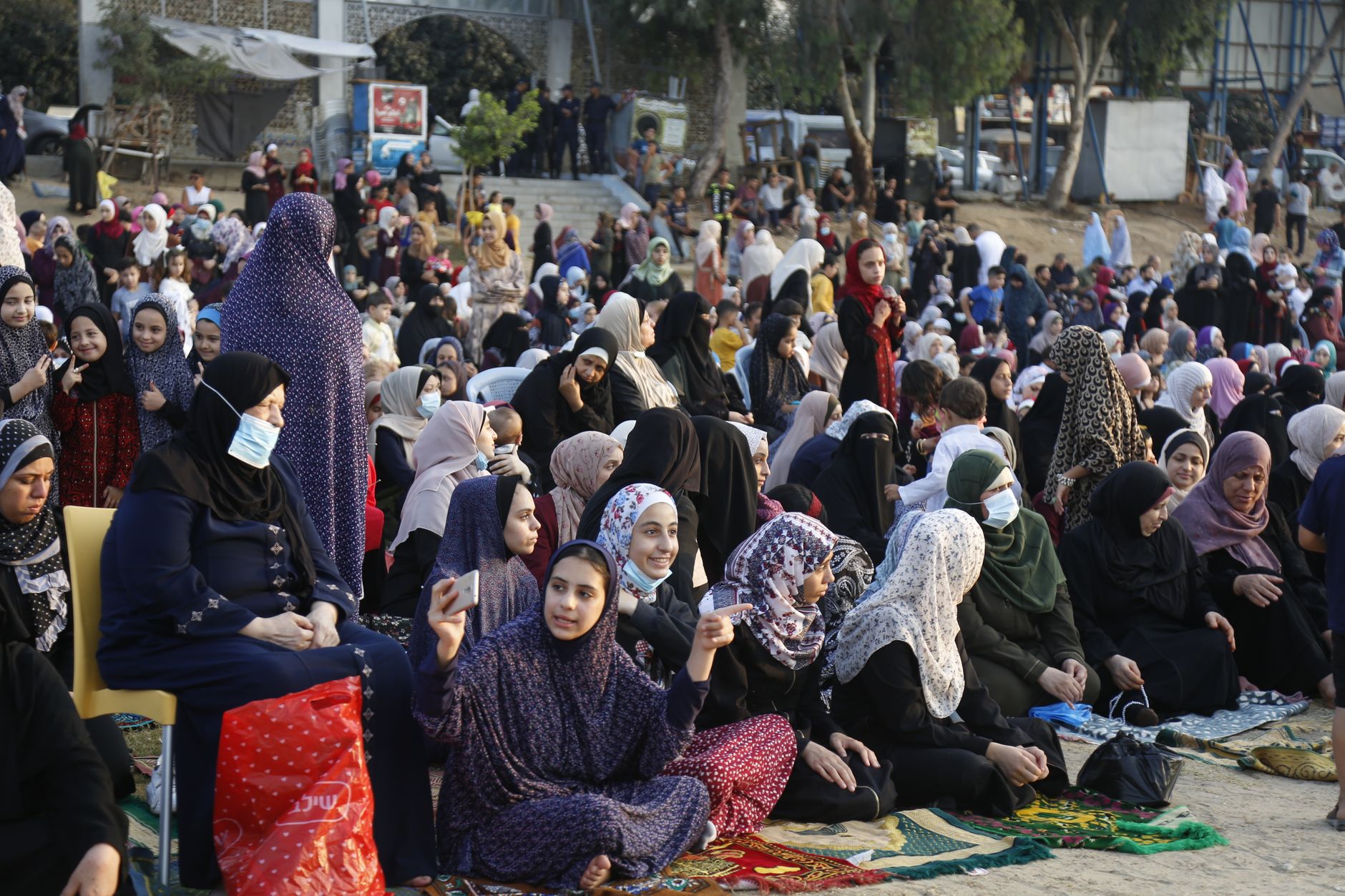
Palestinian Women Documenting Nakba Stories
Palestinian women documented the Nakba through oral histories. Um Ahmad shared her firsthand account with historian Rosemary Sayigh in 1974. These stories have been passed down to their grandchildren, preserving the history of the displacement.

Photo by Efrem Efre on Pexels
Palestinian Women's Oral Histories of the Nakba
On May 14, 1948, in the town of Haifa, Palestinian woman Um Ahmad began documenting the events of the Nakba, or "catastrophe" in Arabic, which marked the displacement of hundreds of thousands of Palestinians. Historian Rosemary Sayigh interviewed Um Ahmad in 1974, recording her firsthand account of the forced exile. In the village of Safsaf, on October 29, 1948, Palestinian women witnessed the massacre of their family members by Israeli forces.
What Everyone Knows
Most people think that the history of the Nakba has been largely documented by men, with women's experiences and stories playing a secondary role. The standard story goes that Palestinian men were the primary victims and actors during this period, while women's roles were limited to supporting their families. However, this narrative overlooks the crucial contributions of Palestinian women in preserving the history of the Nakba.
What History Actually Shows
Historian Laleh Khalili argues in her book "Heroes and Martyrs of Palestine" that Palestinian women played a vital role in documenting the events of the Nakba, often through oral testimonies and personal diaries. On April 9, 1948, Palestinian woman Fatima Abed witnessed the Deir Yassin massacre, and her account was later recorded by historian Bahjat Ghanim. The fact that many of these women's testimonies were intentionally suppressed by Israeli authorities is a key aspect of the Nakba's history. Historian Ilan Pappé notes in his book "The Ethnic Cleansing of Palestine" that Israeli forces actively sought to erase Palestinian history and culture, including the destruction of villages and the suppression of Palestinian oral histories. By the summer of 1949, hundreds of thousands of Palestinians had been displaced, and women like Um Ahmad and Fatima Abed were left to pick up the pieces and preserve the stories of their communities. In 1950, the United Nations Relief and Works Agency for Palestine Refugees in the Near East (UNRWA) began to document the experiences of Palestinian refugees, including the testimonies of women who had witnessed the Nakba. As historian Salim Tamari notes, these testimonies provide a unique window into the experiences of Palestinian women during this period, and highlight the importance of preserving their stories for future generations.
The Part That Got Buried
Historians and scholars deliberately excluded the accounts of Palestinian women from the historical records of the Nakba, effectively erasing their experiences from the narrative. The Israeli government, in particular, played a significant role in suppressing these stories by restricting access to archives and denying the existence of Palestinian documentation. Concrete reasons for this omission include the destruction of Palestinian villages and the displacement of their inhabitants, which made it difficult for women to maintain their records and pass them down to their children. Furthermore, the focus on male-dominated narratives of resistance and warfare overshadowed the stories of women who documented the Nakba, relegating their accounts to the margins of history. Scholars such as those affiliated with the Israeli Ministry of Education made conscious decisions to prioritize Zionist perspectives, further marginalizing the experiences of Palestinian women.
The Ripple Effect
The suppression of Palestinian women's accounts of the Nakba has had concrete consequences, including the loss of historical records and the distortion of the historical narrative. This has affected the way Palestinians understand their own history and has influenced the way the international community perceives the Israeli-Palestinian conflict. For example, the ongoing dispute over the right of return for Palestinian refugees can be directly linked to the erasure of their historical experiences, including those documented by women during the Nakba. The fact that many Palestinian refugees still hold onto keys to their ancestral homes is a direct result of the stories passed down by women who witnessed the events of 1948.
The Line That Says It All
The Palestinian women who documented the Nakba were largely forgotten until recent efforts by their grandchildren and great-grandchildren to uncover and preserve their stories.
A Note on Sources
This article draws on historical records, documented accounts, and academic research related to the Nakba and its impact on Palestinian women.