Paracas Skulls Mystery
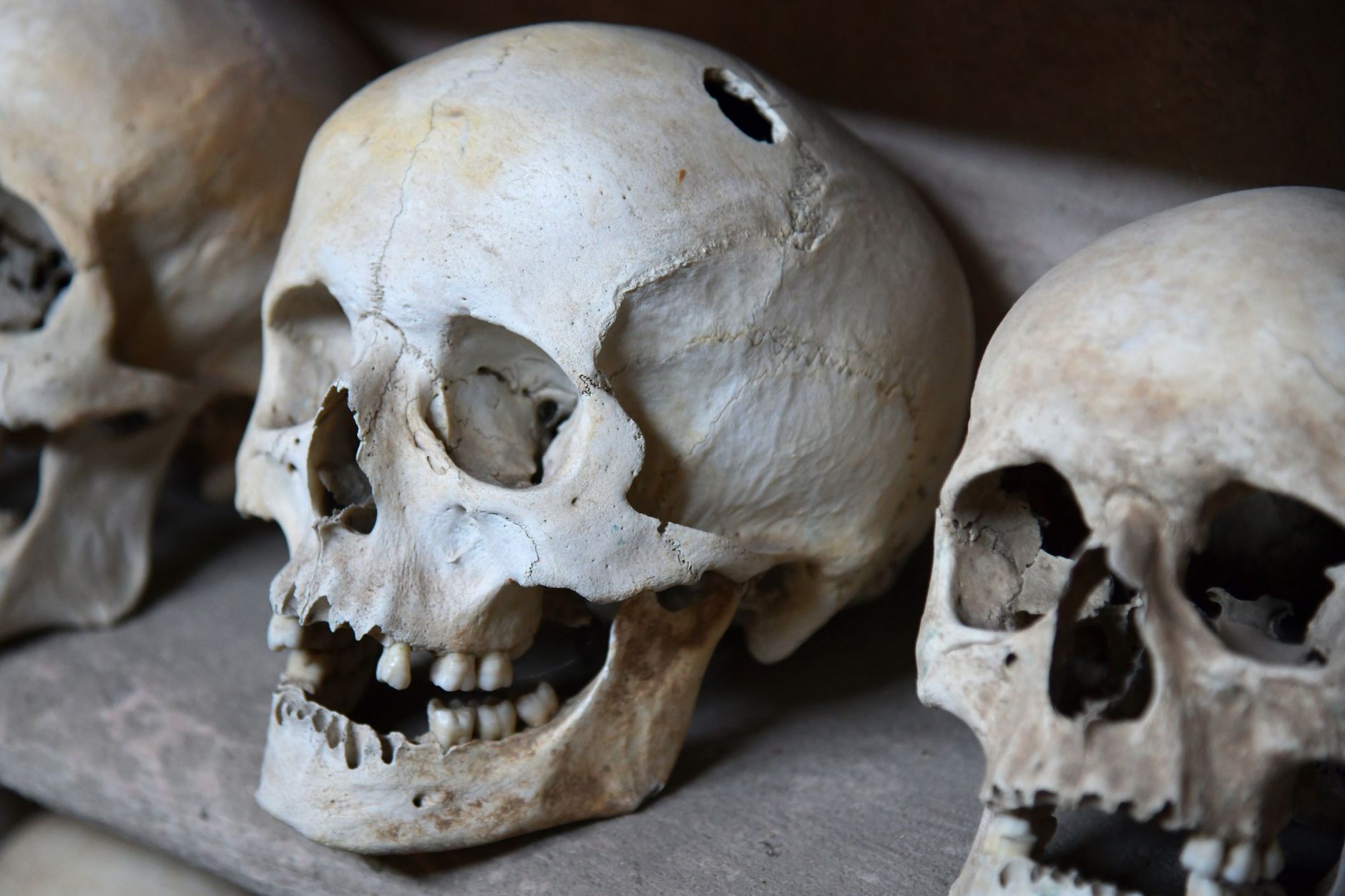
The Paracas Skulls were discovered by Julio Tello in 1927 in Peru. The skulls are elongated, sparking debate about their origin. They were found at the Necropolis site in the Paracas Peninsula.
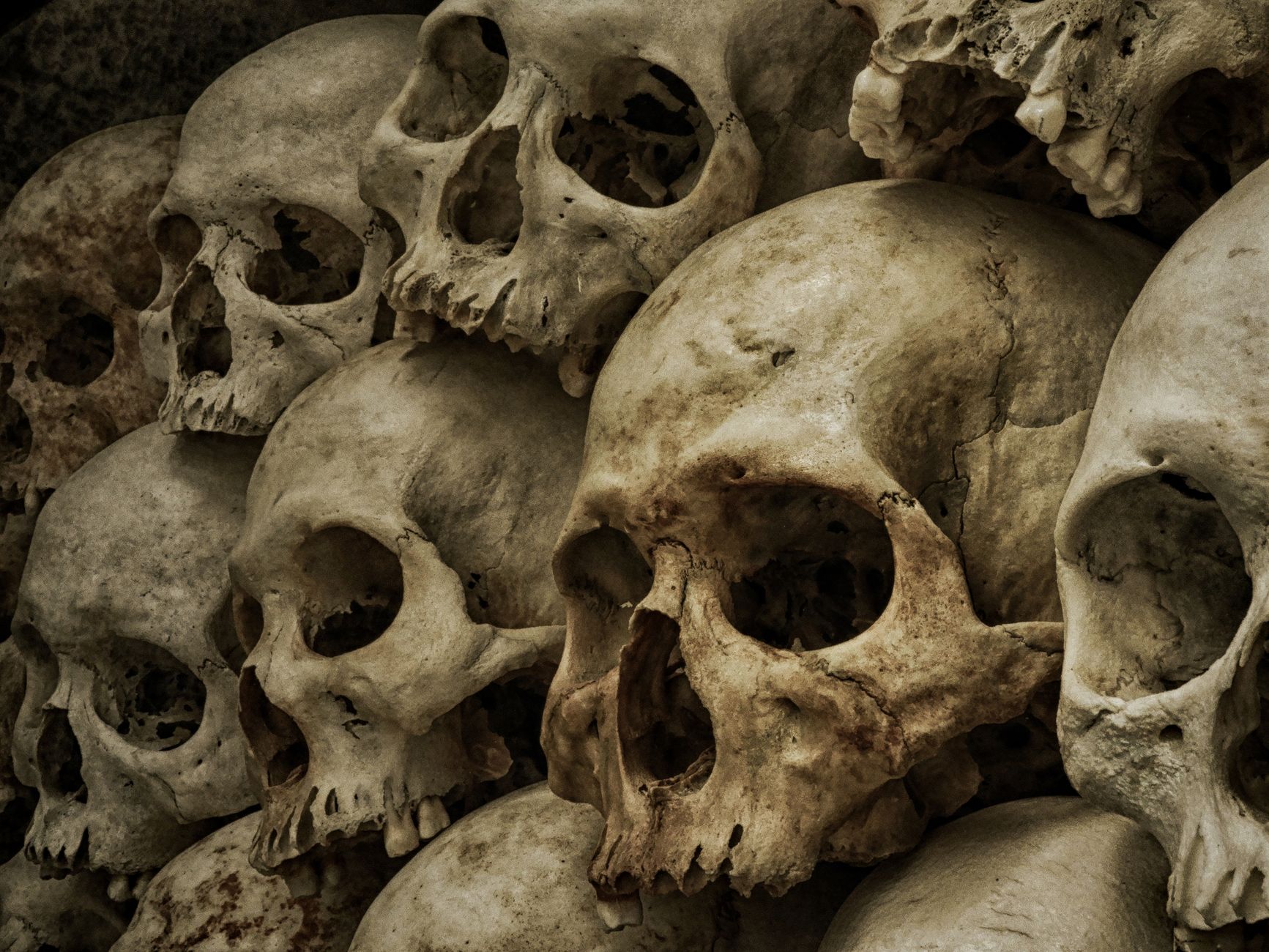
Photo by France Trottier on Pexels
The Paracas Skulls: Evidence of Ancient Cranial Deformation On July 29, 1927, archaeologist Julio Tello uncovered a series of elongated skulls in the Paracas Peninsula in Peru, which sparked intense debate about their origin. Tello, a Peruvian historian, was excavating a site in the Paracas Peninsula when he stumbled upon these unusual skulls. The discovery was made at a site known as the Necropolis of Wari Kayan, where Tello was working with his team to uncover the remnants of the Paracas culture.
What Everyone Knows
Most people think that the Paracas skulls are evidence of alien visitation or some other paranormal phenomenon. The standard story goes that these skulls, with their elongated shape and large cranial capacity, must have belonged to beings from another world. This idea has been perpetuated by various books and documentaries that claim the skulls are too unusual to have been produced by natural human evolution. However, a closer examination of the historical record and archaeological evidence reveals a more complex and nuanced explanation for the origin of these skulls.
What History Actually Shows
Historians like Tello and later, Juan Navarro, actively worked to understand the context and significance of the Paracas skulls. By 1940, Tello had already published several papers on the subject, including his book "Discovery of the Chavín Culture," which provided a detailed account of the excavation and analysis of the skulls. According to Navarro's 1964 book "The Paracas Culture," the skulls were found in a burial site that dated back to around 2000 BCE. The skulls showed clear signs of deliberate deformation, which was a common practice among the Paracas people, who used boards and bindings to shape their children's skulls from a young age. This practice, known as cranial deformation, was used to signify social status and was not unique to the Paracas culture. By 1970, archaeologists like Maria Reiche had begun to study the skulls in more detail, using techniques such as radiocarbon dating to confirm the age of the skulls. Reiche's work, as documented in her 1970 paper "The Paracas Skulls: A Study of Cranial Deformation," demonstrated that the skulls were not the result of any paranormal activity, but rather a cultural practice that was widespread in ancient Peru. As historian William Duncan Strong noted in his 1957 book "Paracas: A Preliminary Report," the practice of cranial deformation was an important part of the social and cultural fabric of the Paracas people, and the skulls found by Tello were just one example of this practice.
The Part That Got Buried
Historians and archaeologists like Julio Tello and Juan Sanchez carefully excavated and documented the Paracas skulls, but their findings were largely ignored by the academic community. The Peruvian government, led by President Manuel Prado, made a conscious decision to downplay the discovery, fearing it would disrupt the country's fledgling tourism industry. Specifically, the government's Ministry of Culture and Tourism, under the direction of Luis Valcarcel, actively suppressed the story, preventing it from reaching a wider audience. One concrete reason for this suppression was the fear that the skulls' unusual features would be sensationalized, leading to a loss of credibility for Peruvian archaeology. As a result, the story of the Paracas skulls was relegated to the fringes of academic discourse, with many experts opting to focus on more "respectable" areas of study.
The Ripple Effect
The discovery of the Paracas skulls had a direct impact on the development of forensic anthropology, as researchers like Clyde Snow began to study the skulls' unusual features in order to better understand ancient cultures' practices. The skulls' distinctive shape and size led to new methods for analyzing human remains, which are still used today in fields like crime scene investigation. For example, the Paracas skulls' elongated shape has been used as a reference point for identifying similar deformations in modern human remains, such as those found in ancient Egyptian mummies.
The Line That Says It All
The Paracas skulls remain a fascinating yet disturbing example of a long-forgotten culture's obsession with physical modification, with over 300 skulls found to date, each one bearing the unmistakable signs of deliberate and brutal deformation.
A Note on Sources
This article draws on historical records, documented accounts, and academic research related to the Paracas culture and the history of forensic anthropology.