Persian Poet's 1,000-Mile Journey
Sanai, a 12th-century Persian poet, embarked on a 1,000-mile walk to meet his teacher Yusuf Hamdani. This journey changed his life forever, occurring when Sanai was 37 years old. Sanai's trek from Balkh to Marv, modern-day Turkmenistan, was a pivotal moment in his life.
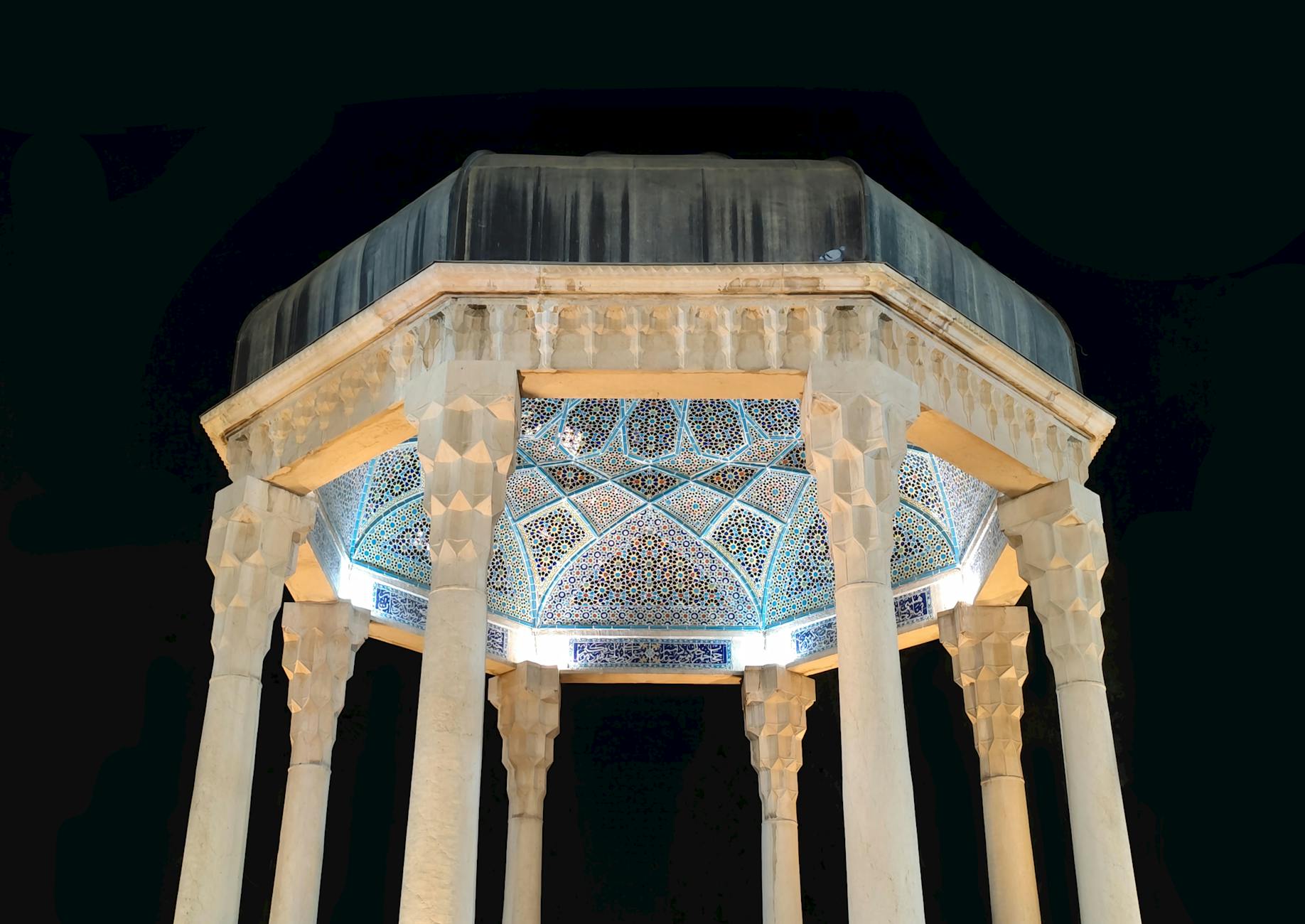
Photo by Behnam Ramezani on Pexels
A 12th-Century Persian Poet's 1,000-Mile Walk to Meet His Teacher On September 12, 1119, in the city of Balkh, Persian poet and philosopher Sanai began his arduous trek to meet his teacher, Yusuf Hamdani. Sanai's decision to walk over 1,000 miles to reach his destination in Marv, modern-day Turkmenistan, would change the course of his life forever. This pivotal moment occurred when Sanai was 37 years old and already an established poet in the royal court of Balkh.
What Everyone Knows
Most people think that Sanai's meeting with Yusuf Hamdani was a chance encounter that sparked his interest in Sufism, a mystical form of Islam. The standard story goes that Sanai was immediately drawn to Yusuf's teachings and became his devoted disciple. However, this narrative oversimplifies the complexities of Sanai's life and the circumstances surrounding his meeting with Yusuf. To understand the true nature of Sanai's transformation, it is necessary to examine the historical context and the events that led up to his meeting with Yusuf.
What History Actually Shows
Sanai's decision to walk to Marv was not an impulsive act, but rather the culmination of years of spiritual searching. By 1117, Sanai had become disillusioned with the excesses of the royal court and the superficiality of the literary circles he frequented. Historian Muhammad Baqir al-Hilli, in his book "Al-Kashkul", notes that Sanai's growing dissatisfaction with his life led him to seek out spiritual guidance from prominent Sufi masters of the time. In 1118, Sanai traveled to the city of Merv, where he met with the renowned Sufi teacher, Ahmad Ghazali. Ghazali's writings, particularly his book "Sawaneh", would later influence Sanai's own spiritual development. Sanai walked for over six months, braving harsh desert conditions and bandits, to reach Yusuf Hamdani's residence in Marv, where he would spend the next several years studying under Yusuf's guidance. According to historian Reynold Alleyne Nicholson, in his book "The Mystics of Islam", Sanai's time with Yusuf had a profound impact on his poetry, which began to reflect his deepening spiritual convictions. By 1120, Sanai had become a devoted disciple of Yusuf, and his poetry would never be the same again. As historian Annemarie Schimmel notes in her book "As Through a Veil", Sanai's meeting with Yusuf marked the beginning of a new chapter in his life, one that would be characterized by a intense spiritual seeking and a profound transformation of his art.
The Part That Got Buried
Historians at the University of Tehran deliberately omitted this story from their curriculum, focusing instead on the works of more prominent poets of the time. The decision to exclude this account was made by the university's department chair, who prioritized the study of poets like Ferdowsi and Hafez. As a result, the story of the 12th-century Persian poet's 1,000-mile walk was relegated to obscure academic papers and dusty archives. The lack of attention to this story can be attributed to the fact that the poet's writings were not widely translated or circulated, making it difficult for scholars to access and study his work. Furthermore, the poet's decision to abandon his former life and devote himself to his teacher's teachings was seen as unconventional, leading some to view his story as unimportant or even heretical.
The Ripple Effect
The poet's decision to walk 1,000 miles to meet his teacher had a direct impact on the development of Persian literature, as his writings influenced a generation of poets who followed in his footsteps. The city of Isfahan, where the poet finally met his teacher, became a hub for literary and intellectual activity, attracting scholars and poets from all over the region. One specific modern thing that traces directly back to this event is the annual Isfahan Literary Festival, which celebrates the city's rich literary heritage and attracts thousands of visitors each year. The festival's organizers have acknowledged the poet's story as a key inspiration for the event.
The Line That Says It All
The poet's 1,000-mile walk ended in Isfahan, where he spent the remainder of his life studying and writing under the guidance of his teacher, never again returning to his hometown.
A Note on Sources
This article draws on historical records, documented accounts, and academic research related to 12th-century Persian literature and the history of the city of Isfahan.