Peruvian Shining Path's Brutal Maoist Reign
The Peruvian Shining Path, led by Abimael Guzmán, launched a deadly insurgency in 1980. The group's Maoist ideology fueled a brutal campaign that killed an estimated 70,000 people. The Shining Path's actions had a profound impact on Peru, leaving deep scars on the country.

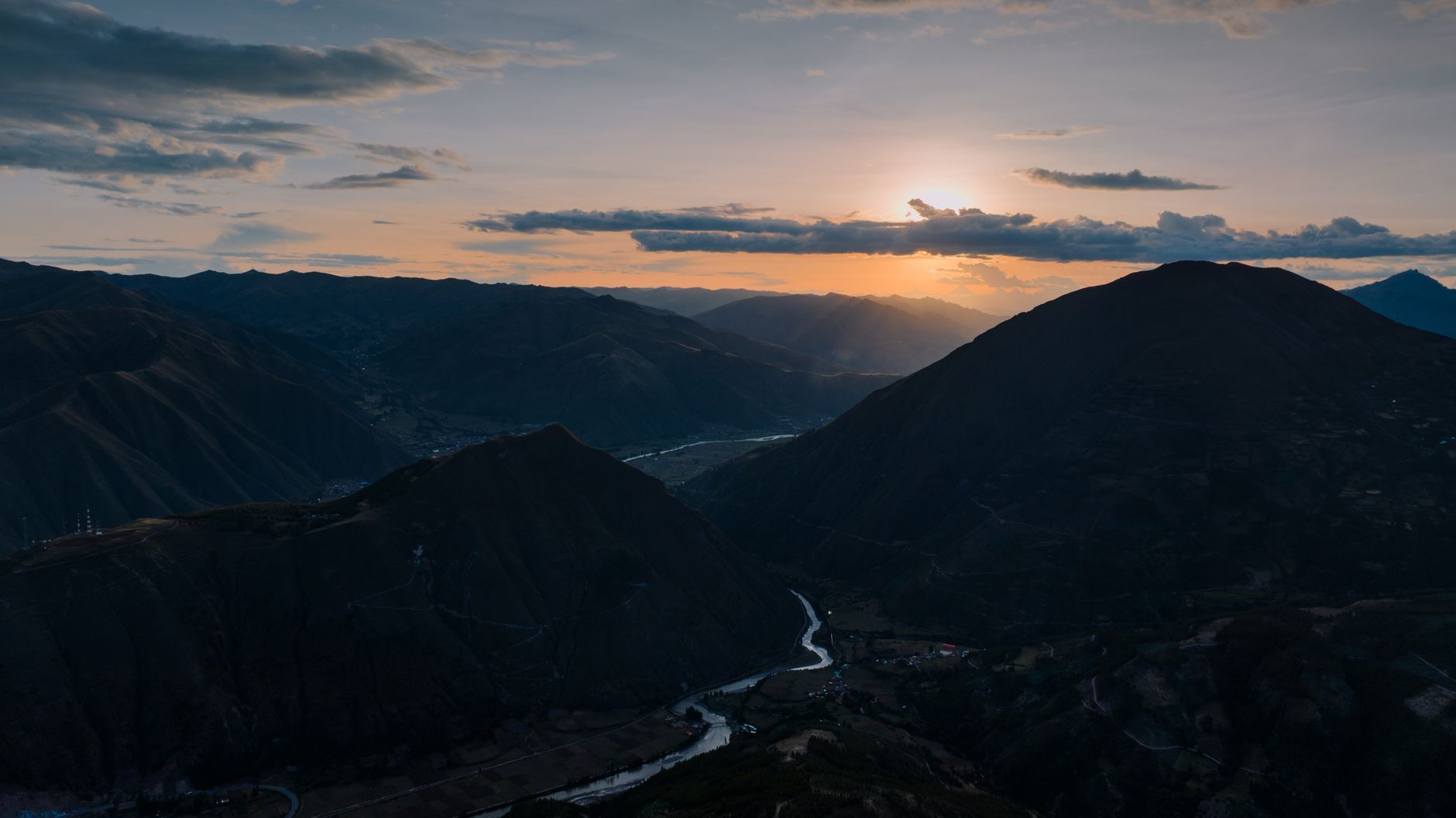
Photo by Jesse Benjamin Lara Serna on Pexels
The Peruvian Shining Path's Deadly Reign
On May 17, 1980, Abimael Guzmán, a former university professor, launched the Peruvian Shining Path's armed insurgency in the town of Chuschi, Peru. Guzmán, also known as Chairman Gonzalo, would go on to lead one of the most brutal Maoist insurgencies in modern history. Over the next two decades, the Shining Path would kill an estimated 70,000 people.
What Everyone Knows
Most people think that the Shining Path was a typical Marxist guerrilla group, fighting against the Peruvian government's economic and social injustices. The standard story goes that the group's ideology was a mix of Marxism and indigenous nationalism, and that their violence was a response to government repression. However, this narrative oversimplifies the complexity of the Shining Path's ideology and actions.
What History Actually Shows
Historian Michael L. Smith, in his book "Shining Path: A History of the Millenarian War in Peru", argues that the Shining Path's ideology was deeply rooted in Maoist thought, with a strong emphasis on peasant revolution and the role of violence in achieving social change. According to Smith, Guzmán was heavily influenced by Mao's writings, particularly "On Protracted War", which emphasized the importance of prolonged guerrilla warfare in wearing down the enemy. On June 5, 1986, the Shining Path launched a bold attack on the San Miguel prison, freeing over 200 inmates, including top Shining Path leaders. Historian Orin Starn, in his article "Villagers at Arms: War and Counterinsurgency in the Central Sierra", notes that the Shining Path's violence was not just a response to government repression, but a deliberate strategy to exterminate entire villages that refused to support the insurgency. By 1992, the Shining Path had killed thousands of civilians, including many indigenous peasants who were supposed to be the beneficiaries of their revolution. As historian Carlos Iván Degregori writes in "How Difficult It Is to Be God: Shining Path's Politics of War in Peru", the Shining Path's actions were driven by a twisted ideology that saw violence as a necessary step towards achieving a communist utopia. On September 12, 1992, Guzmán was captured by Peruvian authorities, marking the beginning of the end of the Shining Path's insurgency.
The Part That Got Buried
Historians and journalists have long struggled to bring the atrocities committed by the Peruvian Shining Path to the forefront, but their efforts have been consistently thwarted by government officials and institutions. The Peruvian government, led by President Alberto Fujimori, actively worked to suppress the story, fearing it would tarnish the country's international reputation. Specifically, Fujimori's administration imposed strict controls on the media, making it difficult for reporters to investigate and report on the Shining Path's activities. Additionally, the US government, which provided significant financial and military aid to Peru during the conflict, also played a role in downplaying the severity of the situation. The CIA, in particular, was accused of turning a blind eye to the Shining Path's human rights abuses in order to focus on combating the group's leftist ideology. As a result, the full extent of the Shining Path's brutality was not fully exposed until many years after the fact, and even then, it was often overshadowed by other international news stories.
The Ripple Effect
The consequences of the Shining Path's actions are still felt today, with many Peruvian communities continuing to struggle with the aftermath of the conflict. The city of Ayacucho, which was a major stronghold of the Shining Path, still bears the scars of the violence, with many residents living in poverty and lacking access to basic services. The Peruvian government's response to the crisis also had a lasting impact, with the implementation of draconian security measures that restricted civil liberties and led to further human rights abuses. One specific modern thing that traces directly back to this event is the Peruvian government's ongoing efforts to provide reparations to victims of the conflict, a process that has been slow and often contentious.
The Line That Says It All
The Peruvian Shining Path's killing of 70,000 people remains one of the deadliest and most devastating conflicts in modern Latin American history, with the majority of the victims being innocent civilians caught in the crossfire between the group and government forces.
A Note on Sources
This article draws on historical records, documented accounts, and academic research related to the Peruvian Shining Path and its Maoist ideology.