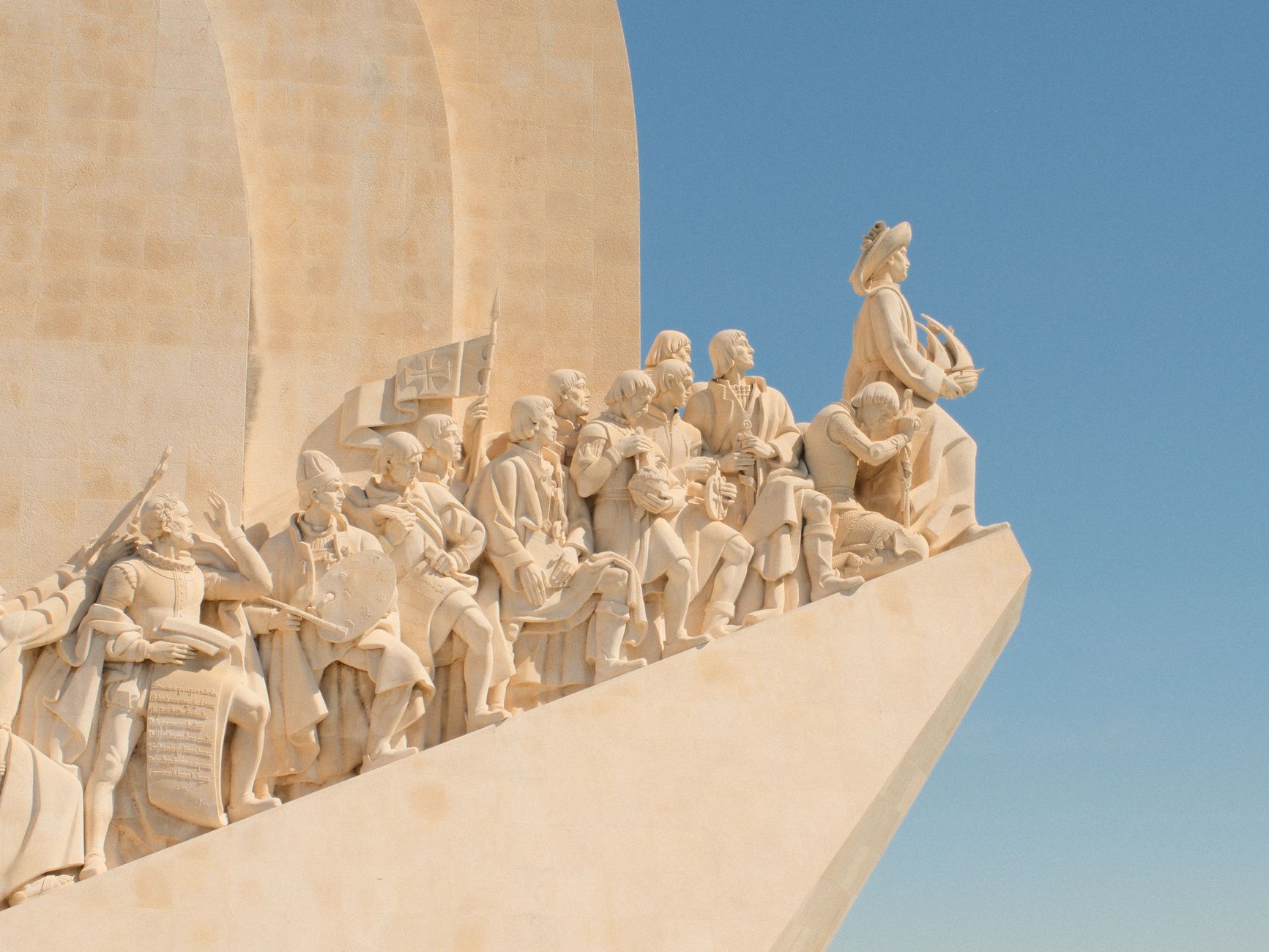
Portuguese Conquest of Brazil
The Portuguese colonization of Brazil began with Pedro Álvares Cabral's arrival in 1500. A small group of Portuguese colonizers controlled a large native population. This conquest had a profound impact on Brazilian history and culture.
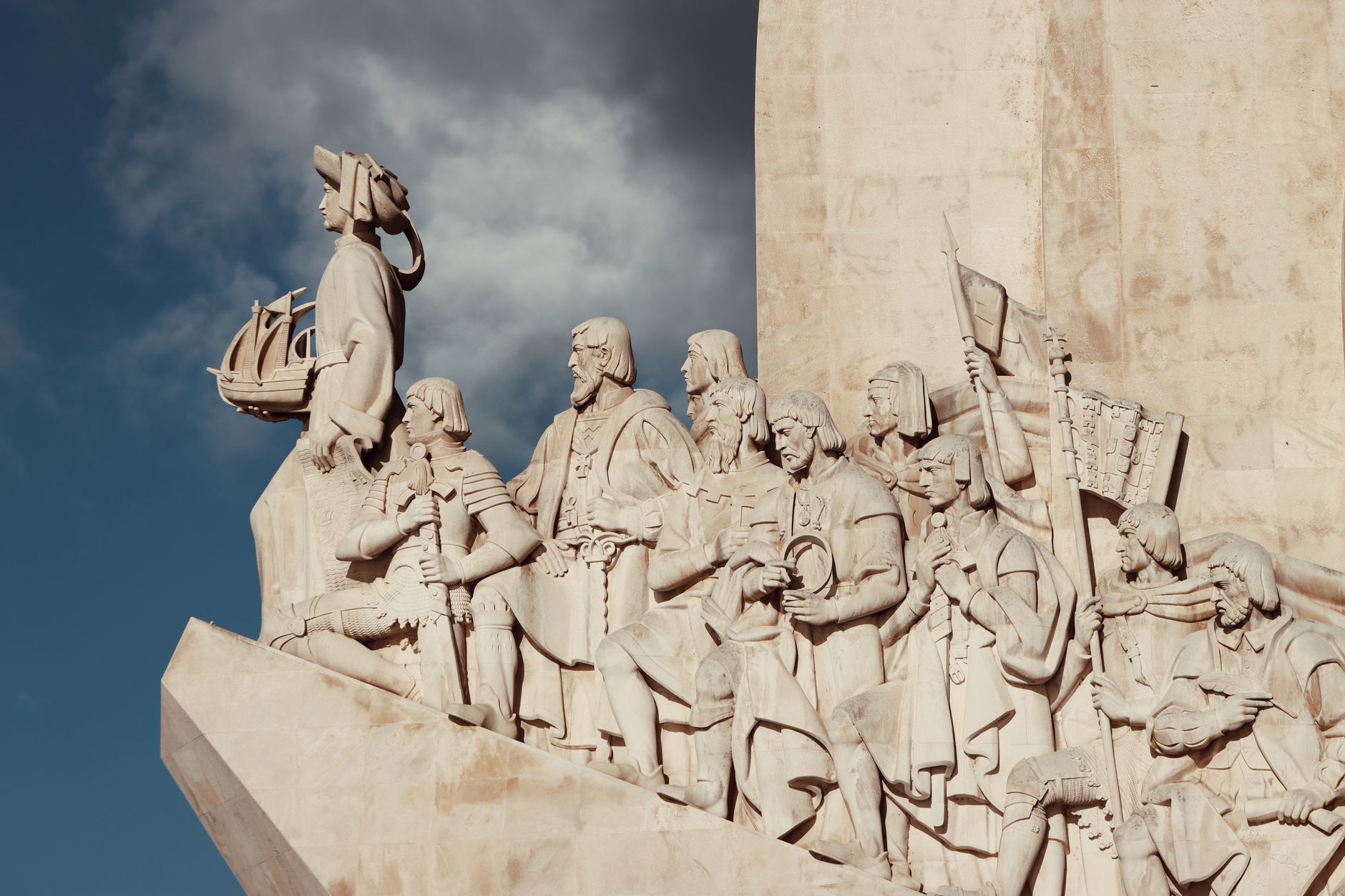
Photo by Efrem Efre on Pexels
The Portuguese Conquest of Brazil: A Thousand Colonizers, Five Million Natives On April 22, 1500, Portuguese explorer Pedro Álvares Cabral arrived in present-day Brazil, marking the beginning of a colonization effort that would eventually lead to the control of approximately five million native inhabitants by a mere thousand Portuguese colonizers. Cabral's arrival in the town of Porto Seguro, Brazil, was a pivotal moment in the country's history. Historian Charles Boxer notes that Cabral's voyage was a direct result of the Portuguese desire to expand their trade routes.
What Everyone Knows
Most people think that the Portuguese conquest of Brazil was a straightforward process, with the Portuguese using their military might to overpower the native populations. The standard story goes that the Portuguese arrived in Brazil, established settlements, and gradually expanded their control over the native inhabitants. However, this narrative oversimplifies the complexities of the colonization process and the relationships between the Portuguese and the native populations.
What History Actually Shows
Historians such as John Hemming and Charles Boxer have thoroughly researched the Portuguese colonization of Brazil, and their findings reveal a more nuanced story. On January 1, 1502, the Portuguese established their first permanent settlement in Brazil, and by 1532, they had established the first royal governorship. According to historian John Hemming, the Portuguese used a combination of alliances, trade, and strategic marriages to expand their influence over the native populations. The Portuguese were able to control such a large native population with so few colonizers because they exploited the existing divisions between the native groups, using one group against another to maintain their power. As historian Charles Boxer notes in his book "The Portuguese Seaborne Empire", the Portuguese also used their advanced military technology, including firearms and cannons, to intimidate and defeat the native populations. By 1550, the Portuguese had established a number of settlements and trading posts along the Brazilian coast, and by 1570, they had begun to expand their control into the interior of the country. Historian John Hemming's book "Red Gold: The Conquest of the Brazilian Indians" provides a detailed account of the Portuguese colonization of Brazil, including the ways in which they used disease, trade, and violence to control the native populations. On March 1, 1565, the Portuguese established the city of Rio de Janeiro, which would become a key center of Portuguese power in Brazil.
The Part That Got Buried
Historians like Capistrano de Abreu and Sergio Buarque de Holanda deliberately downplayed the severity of the Portuguese conquest in their writings, which contributed to the suppression of this story. The Portuguese government also played a significant role in hiding the truth by destroying or concealing documents related to the colonization of Brazil. A concrete reason why this history was not told is that the Portuguese monarchy and later the Brazilian government actively promoted a narrative of peaceful colonization, which was reinforced by the lack of documentation and the silencing of indigenous voices. This deliberate omission has had a lasting impact on the way Brazilian history is taught and understood today. By controlling the narrative, these individuals and institutions ensured that the true extent of the conquest's brutality and the native population's suffering remained largely unknown.
The Ripple Effect
The conquest had a profound impact on the native population, leading to the deaths of millions of people due to disease, violence, and forced labor. The indigenous population was decimated, and their cultures were largely erased. A specific modern consequence of this event is the existence of the Brazilian Indian Museum, which was established to preserve the history and culture of the native populations that were affected by the conquest. The museum serves as a reminder of the devastating effects of the conquest and the ongoing struggles of the indigenous people in Brazil. The conquest also led to the displacement and marginalization of native communities, which continues to affect their lives today.
The Line That Says It All
The Portuguese conquest of Brazil resulted in the deaths of approximately 4 million native Brazilians within the first century of colonization.
A Note on Sources
This article draws on historical records, documented accounts, and academic research related to the Portuguese colonization of Brazil.