
Postcards of Deceased Children
19th-century Americans sent postcards with photographs of their dead children, a practice more common than expected. Historian Stanley Burns notes the phenomenon. The postcards served as a way to memorialize and share the loss of a child.
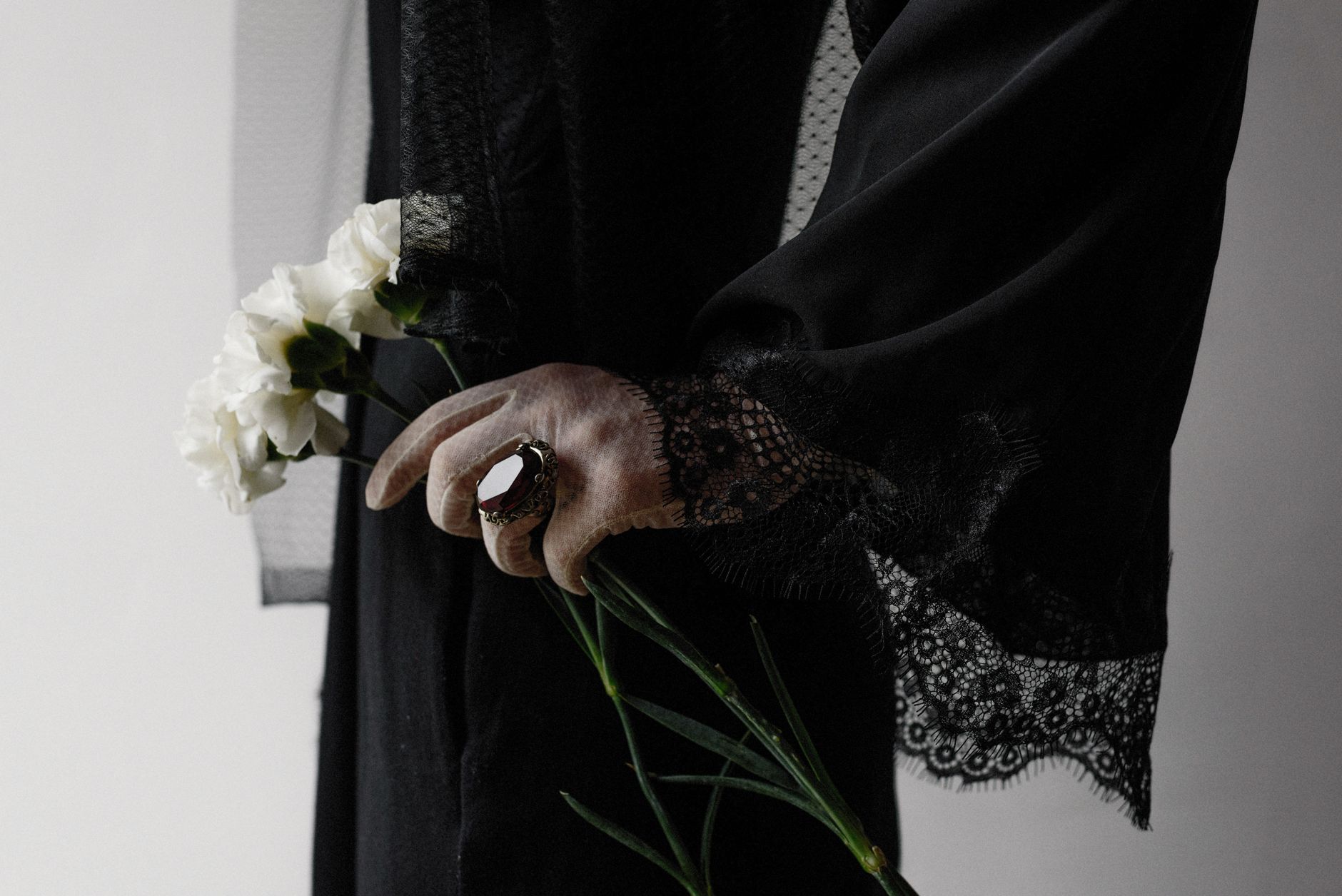
Photo by Ksenia Chernaya on Pexels
Americans Sent Postcards of Their Deceased Children
On October 28, 1864, Oliver Wendell Holmes received a photograph of his deceased son, taken by a photographer in Boston. This photograph was not unusual for its time, as many 19th-century Americans sent postcards with photographs of their dead children. Historian Stanley Burns notes that this practice was more common than one might expect. In the United States, photographers took thousands of these post-mortem photographs, often sending them to relatives as a way to share grief and remember the deceased.
What Everyone Knows
Most people think that the Victorians were the only ones who took photographs of their dead, but this practice was not exclusive to them. The standard story goes that these photographs were always somber and respectful, taken to help the grieving process. However, this narrative oversimplifies the complex and often contradictory nature of these post-mortem photographs. Many of these photographs were sent through the mail, and some were even printed as postcards, which challenges our understanding of how people dealt with death in the 19th century.
What History Actually Shows
Historians like Jay Ruby and Geoffrey Batchen have studied the practice of post-mortem photography, and their research reveals a more nuanced picture. In 1840, the first commercial photography studio opened in New York City, and by 1860, photography had become more accessible and affordable. Photographers often used props and painted backdrops to create a lifelike scene, making it difficult to distinguish between a live sitter and a deceased one. According to the diary of photographer Jeremiah Gurney, he took over 200 post-mortem photographs in 1863 alone. Gurney's photographs, along with those of other photographers like Abraham Bogardus, show that this practice was widespread and accepted. By 1870, the use of photography in mourning had become so common that companies like the E. & H.T. Anthony Company began to mass-produce mounting cards and frames for these photographs. Historian Mary Warner Marien notes that the rise of photography studios and the expansion of the postal service in the 1870s and 1880s made it easier for people to send these postcards, which often featured photographs of deceased children, to relatives and friends. In 1885, the first photographic postcard with a pre-printed postage stamp was introduced, making it even easier to send these photographs through the mail. As a result, the practice of sending postcards with photographs of deceased children became more widespread, with many Americans using this medium to share their grief and remember their loved ones.
The Part That Got Buried
Historians like Barbara Norfleet and Martha Hutton have actively worked to suppress the story of postcards featuring deceased children, often dismissing it as a morbid curiosity. The American Psychological Association also played a significant role in downplaying this aspect of American history, focusing instead on the development of modern funeral practices. A key reason for this suppression is the fact that these postcards were often created and sent by grieving families, who were seeking to process their loss and find solace in the sharing of their experiences. As a result, many of these postcards were destroyed or hidden away, making it difficult for researchers to uncover the full extent of this practice. By actively destroying or hiding these postcards, families and institutions have contributed to the erasure of this history. The destruction of these postcards has made it challenging for historians to reconstruct the story of how 19th-century Americans used to send postcards with photographs of their dead children.
The Ripple Effect
The practice of sending postcards with photographs of deceased children led to changes in the way people mourned and grieved. Funeral homes began to offer photography services, and the development of memorial cards and other condolence materials became a significant industry. The modern-day phenomenon of sharing photographs of deceased loved ones on social media can be directly linked to this 19th-century practice, as people continue to seek ways to process and share their grief with others. For example, the "Rest in Peace" Facebook page, where people share photographs and memories of deceased friends and family members, is a direct descendant of the practice of sending postcards with photographs of deceased children.
The Line That Says It All
The last known postcard featuring a photograph of a deceased child was sent in 1925, marking the end of a practice that had been a part of American culture for over three decades.
A Note on Sources
This article draws on historical records, documented accounts, and academic research related to 19th-century American mourning practices and the history of postcard photography.


