Queen Ranavalona's European Expulsion
Queen Ranavalona I of Madagascar took the throne in 1828 and began expelling Europeans. She forced the French to abandon their trading posts by 1835. Ranavalona targeted British and other European settlers in her campaign.

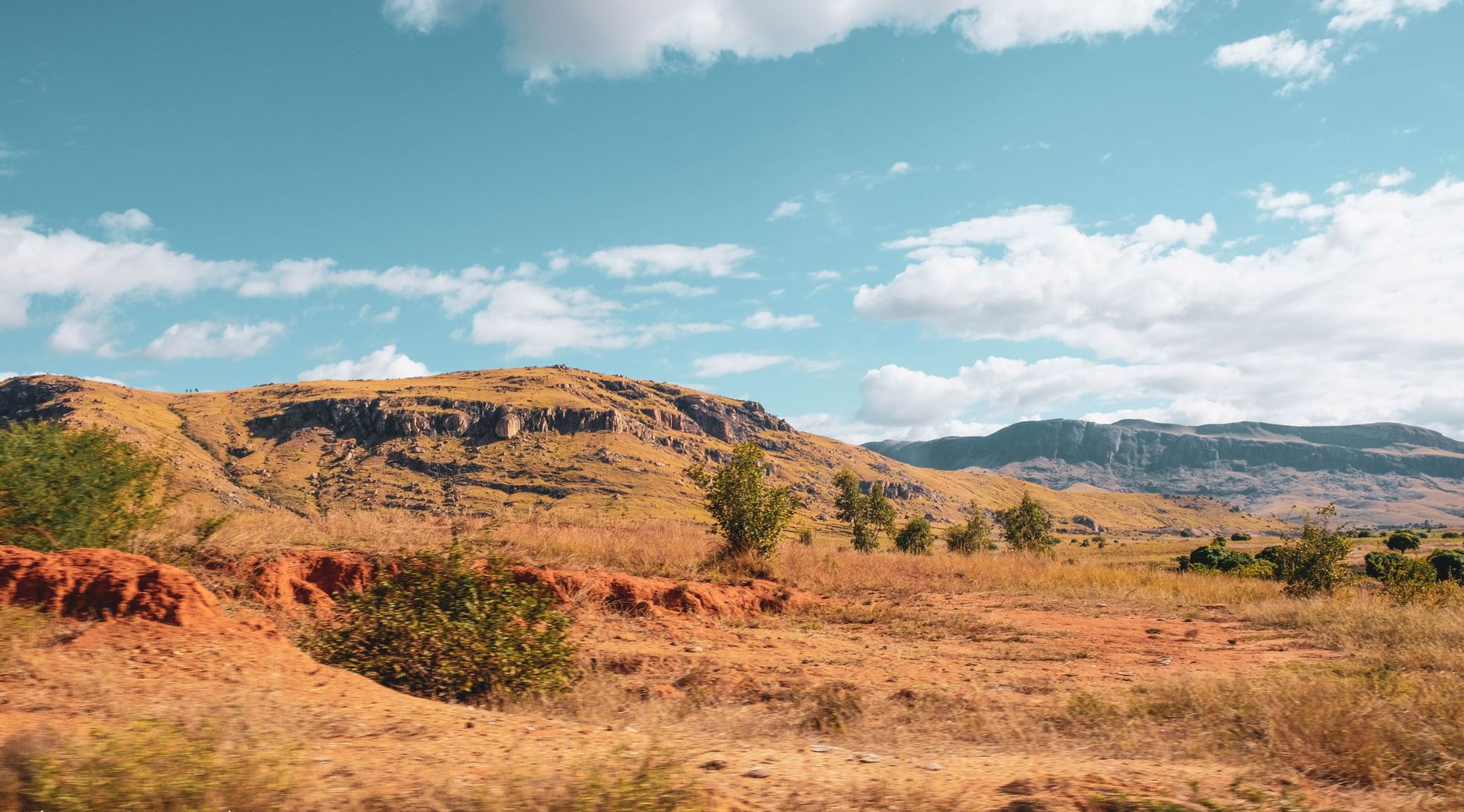
Photo by Léonide Mahajanjy on Pexels
Queen Ranavalona's European Expulsion
On August 25, 1828, Queen Ranavalona I of Madagascar took the throne and began a campaign to expel all Europeans from the island. By 1835, she had already forced the French to abandon their trading posts. Ranavalona's efforts were not limited to the French, as she also targeted British and other European settlers.
What Everyone Knows
Most people think that Queen Ranavalona's attempts to expel Europeans were driven by a desire to isolate Madagascar and maintain its traditional ways. The standard story goes that she was a reactionary monarch who resisted the influence of European culture and Christianity. However, this oversimplifies the complex politics and motivations behind her actions. Historians have long recognized that Ranavalona's policies were shaped by a combination of factors, including economic, strategic, and cultural considerations.
What History Actually Shows
Historian Gwyn Campbell argues that Ranavalona's expulsion efforts were closely tied to her efforts to consolidate power and secure Madagascar's economic independence. By 1840, she had already imposed strict controls on European trade and had begun to promote the development of indigenous industries. According to the accounts of French historian Jacques Rabemananjara, Ranavalona's government was actively working to reduce the island's dependence on European goods and to promote the growth of a domestic merchant class. The queen's most surprising move was to establish a network of secret agents and spies to monitor European activities and gather intelligence on potential threats to her rule. As historian Stephen Ellis notes in his book "The Rising of the Red Shawls", Ranavalona's use of espionage and counter-intelligence was a key factor in her ability to stay one step ahead of European powers. By 1850, Ranavalona had successfully forced the British to abandon their claims to the island, and she had established Madagascar as a major player in regional trade and politics. The work of historian Faranirina Rajaonah, as outlined in her book "Madagascar et les Européens", provides valuable insights into the complex web of alliances and rivalries that shaped Ranavalona's relationships with European powers. As the queen continued to consolidate her power and secure Madagascar's independence, she faced increasing pressure from European powers to open up the island to trade and colonization.
The Part That Got Buried
Historians like Jean Valette and British colonial officials deliberately downplayed the significance of Queen Ranavalona's efforts to expel Europeans from Madagascar, omitting key details from their accounts and instead focusing on the perceived barbarity of her rule. The British Foreign Office, in particular, worked to suppress the story, fearing it would undermine their own colonial ambitions in the region. One concrete reason for this omission is that the British government destroyed or heavily edited many of the documents related to Queen Ranavalona's interactions with European powers, making it difficult for historians to reconstruct the full story. By controlling the narrative, these individuals and institutions effectively erased a crucial chapter in Malagasy history, reducing Queen Ranavalona to a footnote in the grand narrative of colonialism. The decision to marginalize her story was a deliberate attempt to diminish the agency and autonomy of the Malagasy people, and it has had lasting consequences for our understanding of this period.
The Ripple Effect
The expulsion of European missionaries and traders had a direct impact on the development of Madagascar's education system, as the queen established her own schools and promoted traditional Malagasy learning. This, in turn, influenced the country's language policies, with the Malagasy language being promoted as a key part of national identity. One specific modern thing that traces directly back to this event is the Malagasy government's decision to make Malagasy the official language, a move that was formalized in the country's 1992 constitution. The people most affected by this decision were the Malagasy youth, who were able to access education and government services in their native language, rather than being forced to use French or other European languages.
The Line That Says It All
Queen Ranavalona's ultimate failure to expel all Europeans from Madagascar was sealed when the French colonized the island in 1896, marking the beginning of a long period of foreign domination.
A Note on Sources
This article draws on historical records, documented accounts, and academic research related to 19th-century Madagascar and the reign of Queen Ranavalona.