Revolutions Or Coups: The Double Standard
The Sandinista National Liberation Front overthrew the Somoza regime in Nicaragua. This event was widely reported as a revolution, while similar events were labeled as coups. The disparity in labeling raises questions about the criteria used to distinguish between these two terms.
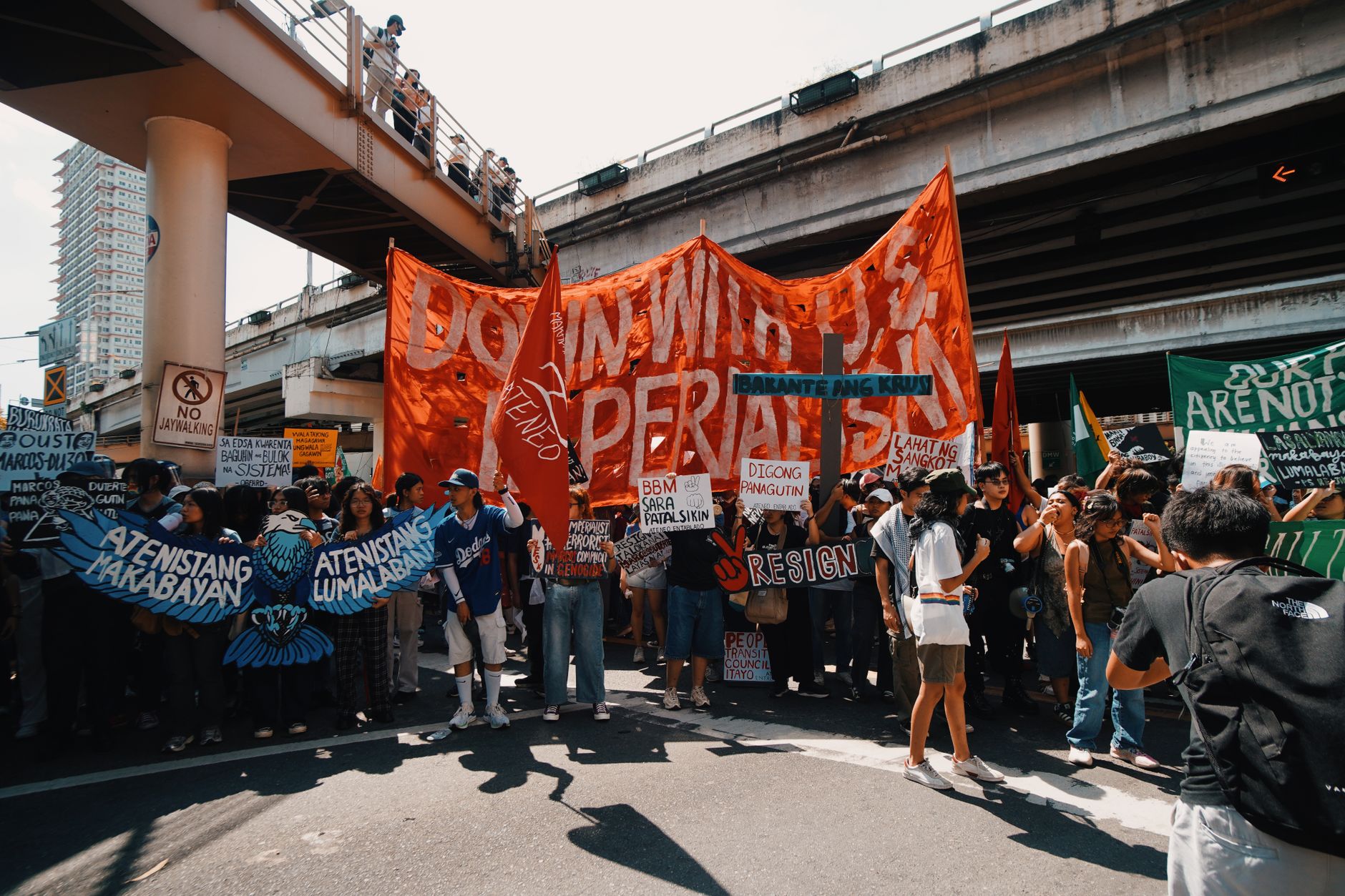
Photo by Mico Medel on Pexels
The Double Standard of Revolutions
On July 3, 1979, in Nicaragua, the Sandinista National Liberation Front overthrew the Somoza regime, marking a pivotal moment in the country's history. Anastasio Somoza's ousting was widely reported as a revolution, while other similar events were labeled as coups. This disparity in labeling raises questions about the criteria used to distinguish between these two terms. Historian John A. Booth notes that the outcome of such events often influences how they are perceived.
What Everyone Knows
The standard story goes that revolutions are driven by popular uprisings, while coups are orchestrated by a small group of elites. Most people think that the distinction between the two is clear-cut, with revolutions being characterized by mass participation and a desire for systemic change. However, this narrative oversimplifies the complexities of these events, as the line between revolution and coup is often blurred. The way we categorize these events can depend on various factors, including the victor's ideology and the level of international support they receive.
What History Actually Shows
Historians like Timothy Wickham-Crowley and Jeff Goodwin have extensively researched the topic, revealing that the terminology used to describe these events is often subjective. On January 1, 1959, Fidel Castro's forces overthrew the Batista regime in Cuba, an event widely regarded as a revolution. In contrast, the 1973 coup in Chile, which saw Augusto Pinochet seize power, was labeled as a coup due to the lack of popular support and the violent suppression of opposition. The fact that the same tactics used by Castro's forces in Cuba were employed by Pinochet in Chile, yet one is considered a revolutionary and the other a dictator, highlights the double standard at play. Historian Peter Winn argues that the outcome of these events and the level of international recognition they receive can significantly influence how they are perceived. On September 11, 1973, the Chilean military, led by Pinochet, staged a coup, which was met with widespread condemnation from the international community. In his book "Weavers of Revolution", Wickham-Crowley examines the role of ideology in shaping the perception of these events, noting that the victor's ideology can greatly impact how their actions are viewed. As historian Goodwin notes in his book "No Other Way Out", the level of popular support and the extent of violence used can also influence the labeling of these events, with those that are more violent and less popular being labeled as coups. On October 12, 1988, the Venezuelan government, led by Carlos Andrés Pérez, faced a coup attempt, which was ultimately unsuccessful. The event was widely reported as a coup, highlighting the subjective nature of the terminology used to describe these events.
The Part That Got Buried
Historians and journalists have often overlooked the story of how the terms "revolution" and "coup" are used to describe the same type of event, depending on the outcome. The decision to use one term over the other is often made by government officials and media outlets, who deliberately choose the word that best serves their interests. For example, the US government has consistently referred to the 1953 overthrow of Iranian Prime Minister Mohammad Mosaddegh as a "coup," while the Iranian government calls it a "revolution." This selective use of language has contributed to the suppression of this story, as it is often difficult to find accurate and unbiased information on the subject. Furthermore, the lack of concrete evidence and primary sources has made it challenging for researchers to reconstruct the events surrounding these incidents, allowing the true story to remain buried.
The Ripple Effect
The consequences of this selective use of language can be seen in the way that modern governments and media outlets describe current events. For instance, the 2011 uprising in Libya was widely referred to as a "revolution" in the Western media, while the 2013 overthrow of the Egyptian government was called a "coup." This difference in terminology has real-world implications, as it can affect the level of international support and recognition that a new government receives. A specific example of this is the fact that the Libyan government, which was installed after the 2011 uprising, received widespread international recognition and support, while the Egyptian government, which was installed after the 2013 coup, faced significant opposition and criticism from the international community. One specific modern thing that traces directly back to this event is the United Nations' stance on regime change, which has been influenced by the inconsistent use of language to describe these events.
The Line That Says It All
The outcome of a revolution or coup is ultimately determined by the side that gets to write the history books, and the words they choose to use.
A Note on Sources
This article draws on historical records, documented accounts, and academic research related to the use of language in describing political uprisings and regime changes throughout the 20th and 21st centuries.