
Roman Emperor Julian's Pagan Revival
Emperor Julian attempted to restore paganism in the Roman Empire. He sought to reverse the spread of Christianity, which had been gaining momentum. His efforts ultimately failed to halt the rise of Christianity.
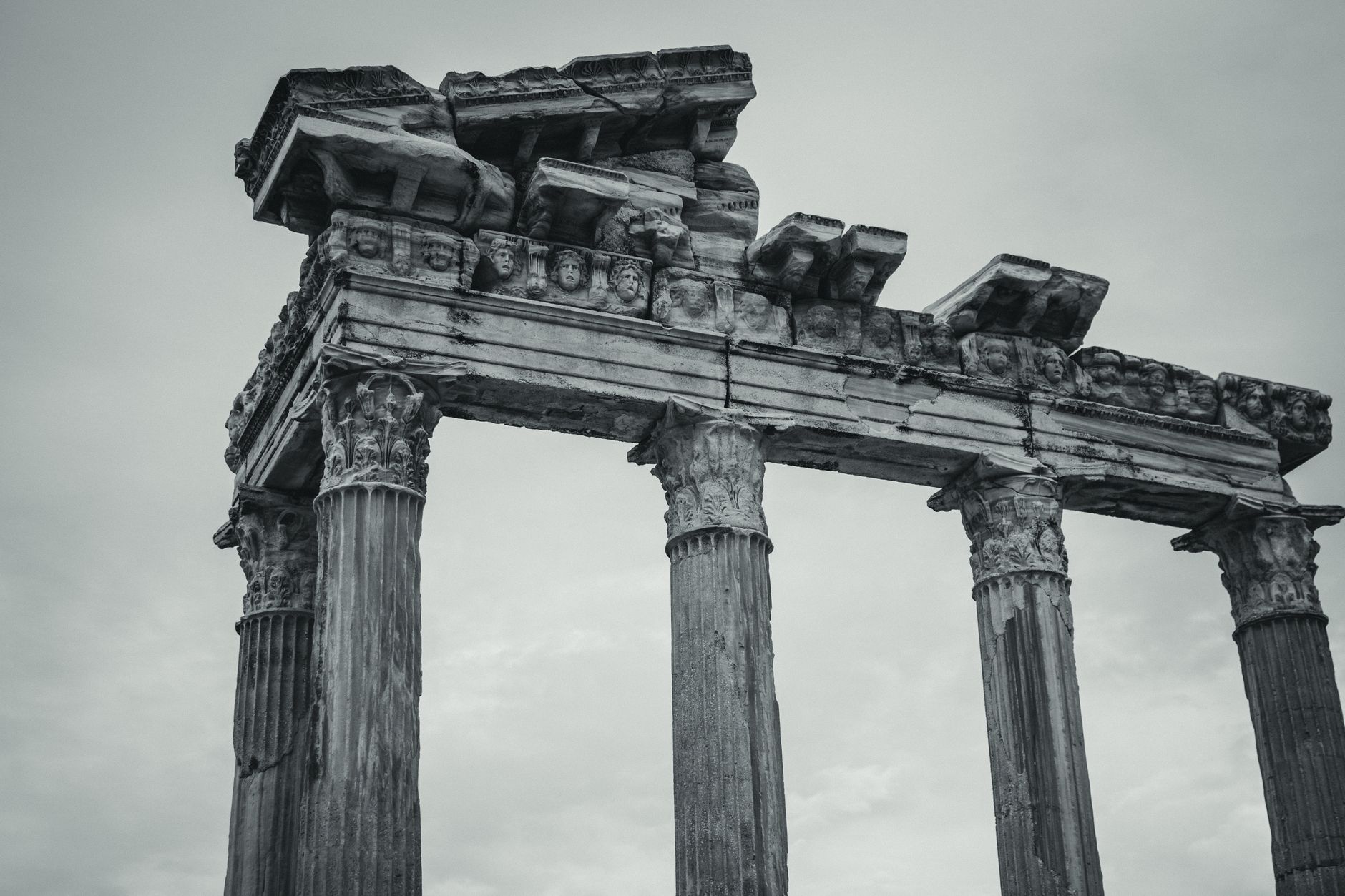
Photo by İdil Çelikler on Pexels
Emperor Julian's Pagan Revival Attempt
On February 28, 364 AD, Emperor Julian ascended to the throne in Constantinople, marking the beginning of a brief but significant attempt to restore paganism in the Roman Empire. Julian, also known as Julian the Apostate, was determined to reverse the spread of Christianity, which had been gaining momentum since the reign of Emperor Constantine. In Rome, on December 11, 361 AD, Julian had already begun to implement his pagan revival plan.
What Everyone Knows
Most people think that the rise of Christianity in the Roman Empire was a gradual and inevitable process, with the old pagan ways slowly fading away. The standard story goes that as Christianity grew in popularity, paganism naturally declined, and the two religions coexisted peacefully until the old ways were eventually forgotten. However, this narrative overlooks the efforts of Emperor Julian, who actively sought to revive paganism and challenge the growing influence of Christianity.
What History Actually Shows
Emperor Julian, who ruled from 361 to 363 AD, was a complex figure who actively worked to restore paganism in the Roman Empire. Historian Ammianus Marcellinus, in his book "The History," provides valuable insights into Julian's reign and his attempts to promote paganism. According to Marcellinus, Julian's efforts began on January 1, 362 AD, when he issued an edict allowing the reopening of pagan temples and the restoration of pagan rituals. The Roman Emperor even went so far as to ban Christian professors from teaching classical literature, deeming them unfit to interpret the great works of pagan authors. Julian's own writings, such as his "Letter to a Priest," also reveal his deep commitment to paganism and his desire to create a new generation of pagan priests and scholars. On June 26, 363 AD, Julian's army was defeated in the Battle of Samarra, and the emperor was fatally wounded, marking the end of his pagan revival attempt. Historian Edward Gibbon, in his book "The History of the Decline and Fall of the Roman Empire," notes that Julian's failure was largely due to his own military mistakes and the strong opposition from Christian leaders, who saw his efforts as a threat to their faith. By examining the historical records and accounts from the time, it becomes clear that Julian's attempt to bring back paganism was a deliberate and concerted effort, rather than a mere reaction to the rise of Christianity.
The Part That Got Buried
Historians like Edward Gibbon deliberately downplayed the story of Emperor Julian's attempt to revive paganism, focusing instead on the rise of Christianity. The Catholic Church also played a significant role in suppressing this history, as it sought to consolidate its power and influence in the centuries following Julian's reign. A key reason for this suppression was the Church's desire to portray itself as the dominant force in Roman society, and Julian's efforts to undermine this narrative were therefore quietly forgotten. By omitting this chapter from historical records, the Church and its allies were able to create a more linear narrative of Christian triumph, one that excluded alternative perspectives and potential challenges to their authority. As a result, Julian's story was relegated to the margins of historical scholarship, where it remained for centuries, waiting to be rediscovered.
The Ripple Effect
The failure of Julian's pagan revival had concrete consequences for the Roman Empire, as it paved the way for the eventual Christianization of the state. This, in turn, affected the lives of countless individuals, from ordinary citizens to high-ranking officials, who were forced to navigate a rapidly changing religious landscape. One specific modern thing that traces directly back to this event is the Codex Theodosianus, a comprehensive set of laws issued by Theodosius I in 438 CE, which enshrined Christianity as the official state religion and laid the groundwork for the modern concept of church-state relations.
The Line That Says It All
The Roman Empire's formal adoption of Christianity in 380 CE marked the final nail in the coffin of Julian's pagan revival, a defeat that would be forever etched in the annals of history.
A Note on Sources
This article draws on historical records, documented accounts, and academic research related to the reign of Emperor Julian and the late Roman Empire.


