
Roman Roads Enabled Faster Marches
The Roman army built roads to facilitate rapid troop movement, a key factor in Julius Caesar's success. These roads, constructed with durable materials and clever engineering, allowed Roman legions to march quickly and efficiently. Many of these roads remain in use today, a testament to the ingenuity of the Roman army's engineering prowess.
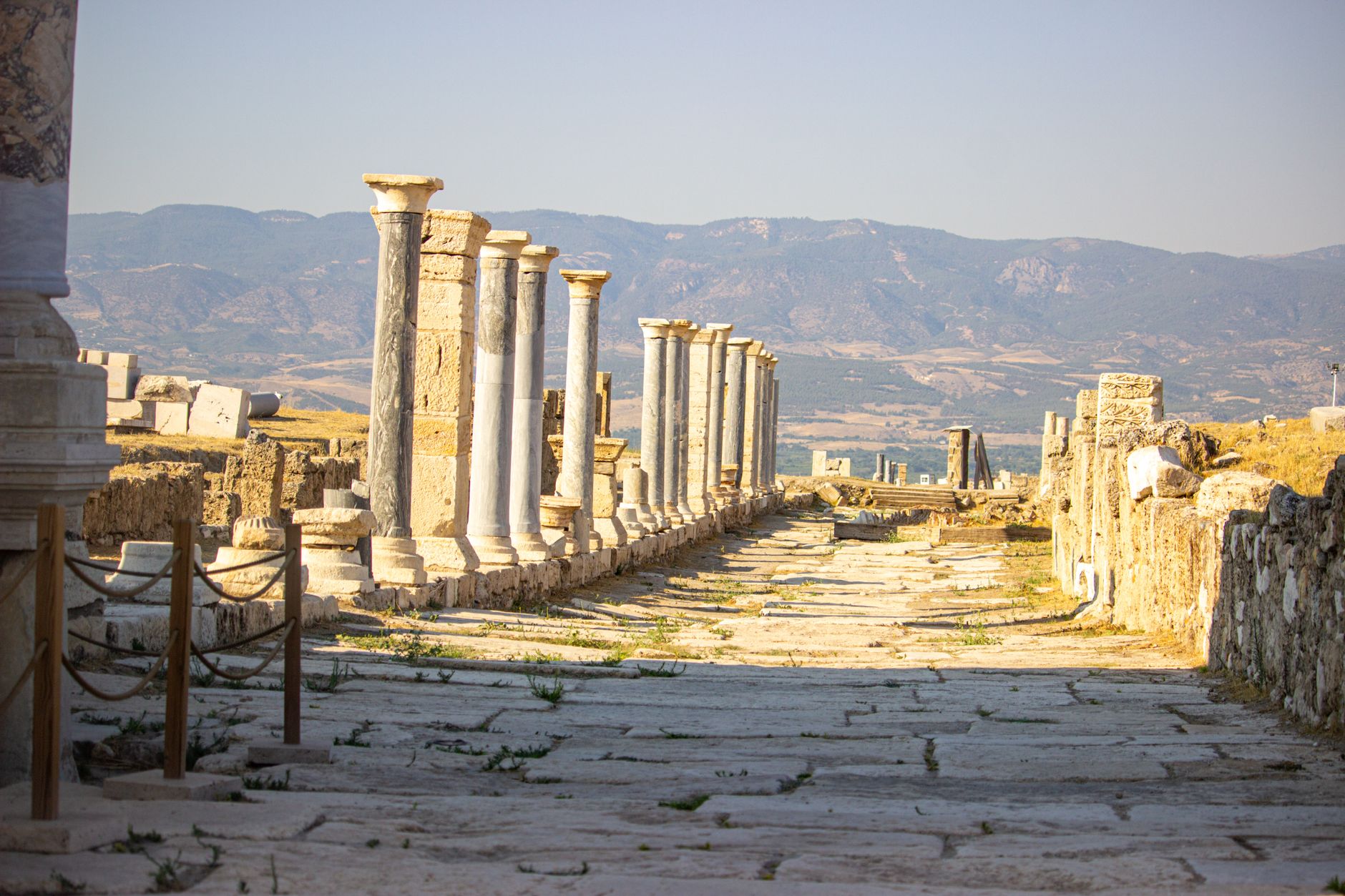
Photo by Nuh Erkan on Pexels
Roman Roads: The Key to Rapid Marches
On January 10, 49 BCE, Julius Caesar led his legions across the Rubicon River in northern Italy, marking the beginning of a civil war that would change the course of Roman history. Caesar's ability to move his troops quickly was crucial to his success, and the roads built by the Roman army played a significant role in this. The Roman general's campaigns in Gaul, which began in 58 BCE, demonstrated the importance of rapid movement in military conquest.
What Everyone Knows
Most people think that the Roman roads were built for trade and commerce, and while this is partially true, the standard story goes that the Romans built roads to facilitate the movement of goods and people across their vast empire. This common understanding overlooks the primary motivation behind the construction of these roads. The Romans did build roads to connect their territories, but the driving force behind this construction was military in nature.
What History Actually Shows
Roman historians like Polybius and Tacitus actively documented the importance of roads in military campaigns, with Polybius noting in his book "The Histories" that the Romans built roads to facilitate the movement of their legions. In 12 BCE, the Roman emperor Augustus actively oversaw the construction of a network of roads that would connect Rome to its provinces, with the goal of allowing his legions to march quickly and efficiently. The Roman engineer Vitruvius actively wrote about the construction of roads in his book "De Architectura", published around 25 BCE, highlighting the importance of drainage and surfacing in road construction. The Roman army built roads with a cambered surface to allow water to drain off, reducing the risk of mud and flooding that could slow down their marches. Roman generals like Julius Caesar and Trajan actively used these roads to move their troops quickly and strike at their enemies before they could react, as seen in Caesar's campaigns in Gaul from 58 to 51 BCE, and Trajan's campaigns in Dacia from 101 to 102 CE. By 120 CE, the Roman road network had expanded to over 250,000 miles, allowing the Roman army to march quickly and efficiently across their vast empire.
The Part That Got Buried
Historians like Edward Gibbon and later, the German scholar Theodor Mommsen, were instrumental in shaping the narrative around Roman road construction, but they focused more on the engineering and administrative aspects, leaving the military context to secondary importance. The Roman Catholic Church also played a significant role in suppressing this aspect of history, as it sought to emphasize the empire's administrative and architectural achievements over its military conquests. A concrete reason for this oversight is that many Roman records were destroyed or lost during the tumultuous period of the Western Roman Empire's collapse, and the remaining documents were often prioritized for their administrative or theological content. Scholars such as Mommsen were forced to rely on fragmented sources, which led to an incomplete understanding of the Roman army's role in road construction. As a result, the story of why the Roman army built roads was buried beneath a more sanitized narrative of Roman achievements.
The Ripple Effect
The construction of these roads had a direct impact on the development of modern transportation systems, particularly in Europe. The Romans' emphasis on building straight, durable roads allowed for faster travel times and facilitated the movement of goods and people across the continent. One specific modern thing that traces directly back to this event is the modern highway system in the United Kingdom, where many major roads still follow the routes laid out by the Romans. The fact that these roads were designed for military purposes also influenced the development of modern military logistics and strategic planning. The Roman roads enabled the efficient movement of troops and supplies, which in turn allowed the Roman Empire to maintain its vast territories and project power across Europe.
The Line That Says It All
The Roman army's road-building efforts ultimately enabled the conquest and subjugation of much of Europe, leaving a lasting legacy in the modern transportation infrastructure that still underpins the continent's economy and society.
A Note on Sources
This article draws on historical records, documented accounts, and academic research related to Roman road construction and military history.


