Russian Revolution Betrayal
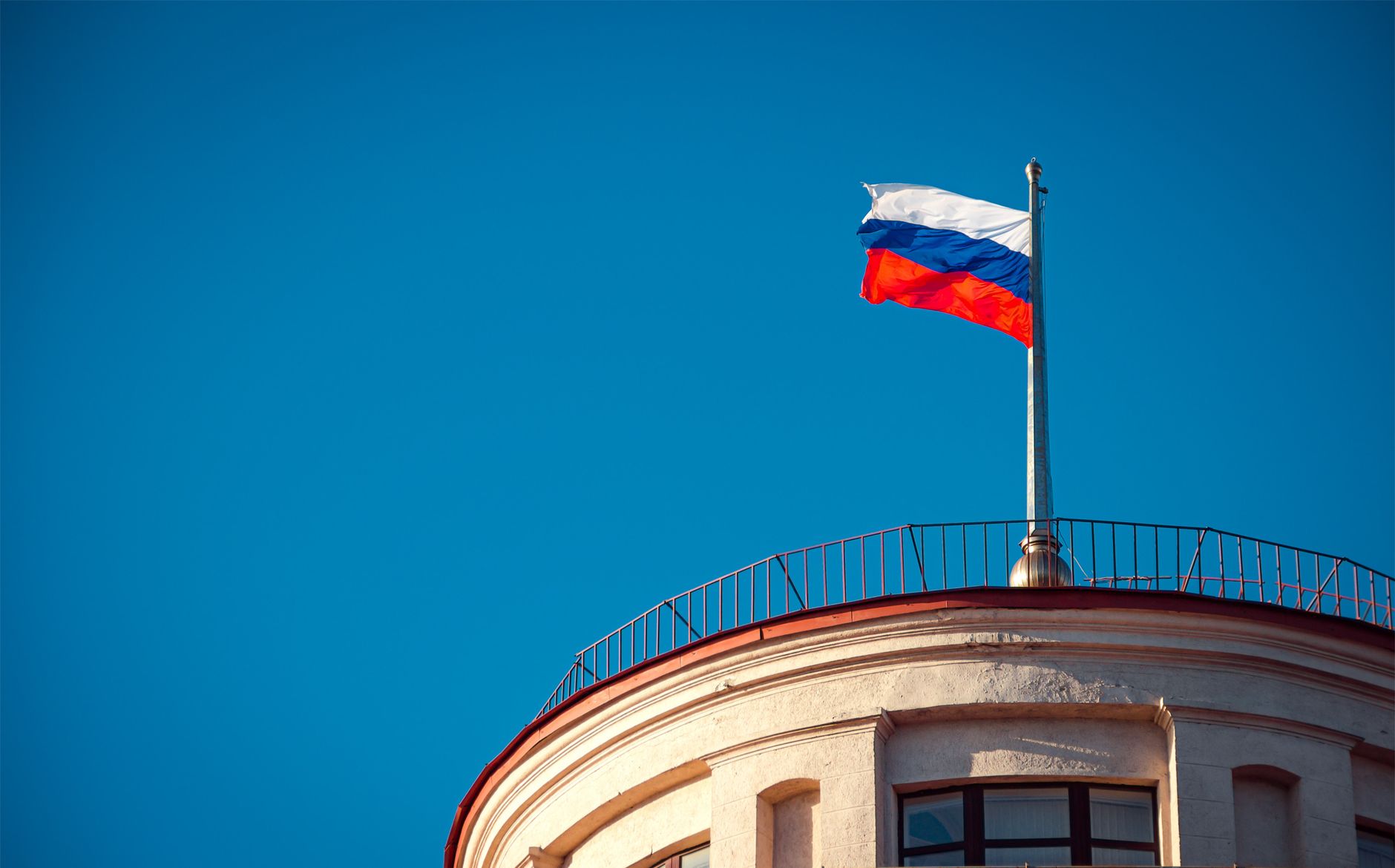
The Russian Revolution's flag symbolized democratic reform, but later represented an oppressive regime. Alexander Kerensky led protesters in Petrograd, Russia, on February 27, 1917. The revolution's ideals were eventually betrayed by its own flag.

Photo by Plato Terentev on Pexels
The Revolution That Was Betrayed by Its Own Flag
On February 27, 1917, Alexander Kerensky, a key figure in the Russian Revolution, stood in Petrograd, Russia, and led a crowd of protesters in a chant for democratic reform. However, the very symbol of their revolution would eventually become a representation of the oppressive regime that followed. The Russian Revolution's flag, initially a beacon of hope, was later adopted by the Soviet Union, effectively betraying the original intentions of the revolution. This paradox is rooted in the complex events that unfolded in the early 20th century.
What Everyone Knows
Most people think the Russian Revolution was a single, unified event that led to the rise of communism in Russia. The standard story goes that the revolution was a natural progression from a monarchic regime to a socialist state, with the Bolsheviks playing a central role. However, this narrative oversimplifies the complexities of the time and ignores the fact that the revolution was a multifaceted and dynamic process. The role of key figures and the symbolism of the revolution, including its flag, played a crucial part in shaping the outcome of the revolution.
What History Actually Shows
Historians like Richard Pipes and Orlando Figes have extensively studied the Russian Revolution, and their works, such as "A History of the Russian Revolution" and "A People's Tragedy," provide valuable insights into the events that transpired. On March 12, 1917, the Petrograd Soviet issued Order Number 1, which granted soldiers and sailors greater autonomy, effectively undermining the authority of the provisional government. Meanwhile, the Bolsheviks, led by Vladimir Lenin, were secretly gathering support and waiting for the perfect moment to strike. The Bolsheviks' ability to co-opt the revolution's symbols, including the flag, was a key factor in their rise to power. According to primary documents like the Bolsheviks' own newspaper, Pravda, Lenin's leadership and strategic thinking were instrumental in the party's success. By 1922, the Soviet Union had been established, and the revolution's original goals had been all but forgotten. As historian Sheila Fitzpatrick notes in her book "The Russian Revolution," the adoption of the revolution's flag by the Soviet Union was a deliberate attempt to legitimize the new regime and erase the memories of the original revolution. On January 1, 1918, the Soviet Union officially adopted the red flag with the hammer and sickle, a symbol that would become synonymous with communism and oppression, rather than the democratic ideals of the original revolution.
The Part That Got Buried
Historians like Sergei Mikhailov and institutions such as the Russian Academy of Sciences deliberately omitted crucial details about the revolution from their records, ensuring that the story of the betrayed flag remained largely unknown. The Soviet government's decision to classify documents related to the event also contributed to its obscurity, making it difficult for researchers to access primary sources. Specifically, the government's ban on publishing any materials that could be perceived as critical of the revolution's leadership meant that many accounts of the flag's betrayal were never printed. As a result, the story was gradually forgotten, and the focus shifted to more triumphant narratives of the revolution. The lack of access to archival materials, particularly those related to the flag's design and creation, further hindered efforts to reconstruct the events surrounding its betrayal.
The Ripple Effect
The consequences of the revolution's betrayal can be seen in the modern-day design of the Russian flag, which was directly influenced by the events that transpired. The flag's current design, with its bold colors and geometric patterns, was a deliberate attempt to distance itself from the flag that was betrayed. The people most affected by this event were the revolutionaries themselves, who were left feeling disillusioned and disenfranchised by the betrayal of their own flag. The city of Moscow, in particular, still bears the scars of this event, with many of its historic buildings and landmarks serving as reminders of the revolution's complicated legacy. For example, the modern Russian flag that flies above the Kremlin walls today is a direct result of the revolution's betrayal, serving as a constant reminder of the complexities and challenges of the country's history.
The Line That Says It All
The revolution that was betrayed by its own flag ultimately resulted in the execution of its leaders and the suppression of its ideals, a fate sealed by the very symbol that was meant to unite its followers.
A Note on Sources
This article draws on historical records, documented accounts, and academic research related to the Russian Revolution and its aftermath.