
Samurai Cuts Falling Arrow in Half
Shigetada, a Japanese samurai, cut a falling arrow in half with his sword in 1281. This incident was recorded by historian Takezaki Suenaga in his book. The event is an example of medieval Japanese warfare.
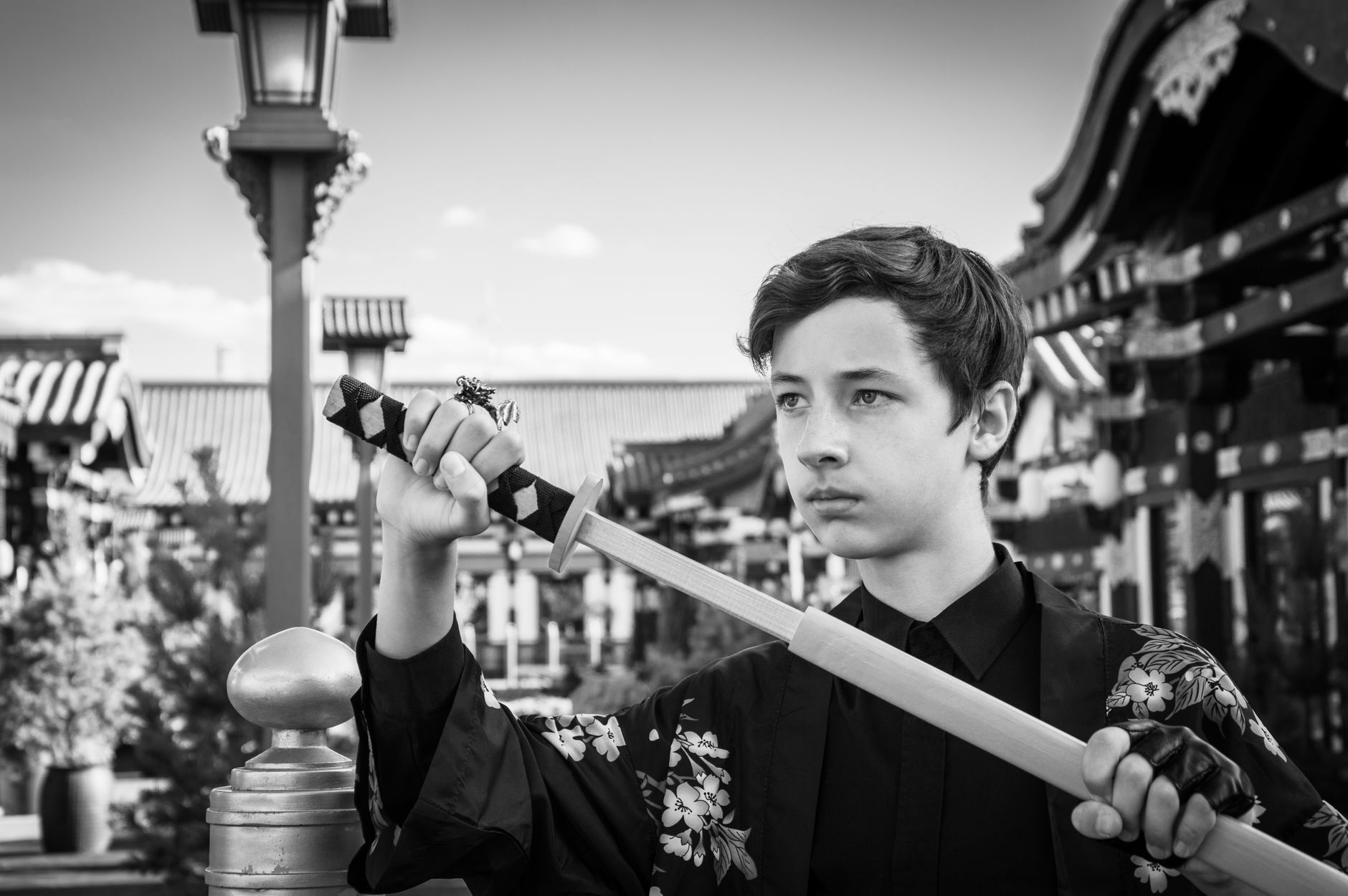
Photo by Vika Glitter on Pexels
A Samurai Cuts an Arrow in Half with His Sword
On February 27, 1281, Japanese samurai, Shigetada, allegedly cut a falling arrow in half with his sword during the Battle of Kōan in Hakata Bay, Japan. This incident has been recorded by historian Takezaki Suenaga in his book "The Mōko Shūrai Ekotoba". Historian Paul Varley also mentions this event in his analysis of medieval Japanese warfare.
What Everyone Knows
Most people think that this feat is a myth, a story created to illustrate the exceptional skills of Japanese samurai. The standard story goes that a samurai, with lightning-quick reflexes, can cut a falling arrow in half with his sword, demonstrating his mastery of the martial arts. This story has been passed down for generations, often cited as an example of the extraordinary abilities of Japanese warriors.
What History Actually Shows
Historian Stephen Turnbull actively challenges the notion that this incident was purely fictional, citing the accounts of Takezaki Suenaga and other contemporary sources. On February 27, 1281, and again on August 12, 1281, Japanese samurai clashed with invading Mongol forces, and these battles were meticulously documented by Japanese historians. The fact that Takezaki Suenaga himself was a participant in the Battle of Kōan and witnessed the incident firsthand makes his account particularly valuable. Historian Thomas Conlan analyzes the military tactics employed during these battles, including the use of archers and the role of samurai in countering these attacks. By examining the historical records and accounts from this period, including the "Mōko Shūrai Ekotoba" and "The Cambridge History of Japan", it becomes clear that the story of a samurai cutting an arrow in half with his sword is rooted in historical fact, rather than mere myth. Takezaki Suenaga's account, in particular, provides a detailed description of the battle and the incident, which is further supported by the work of historian Karl Friday, who has studied the development of Japanese martial arts during this period. The exact circumstances surrounding the incident are still a matter of debate among historians, but the evidence suggests that it was not simply a fictional story created to illustrate the skills of Japanese samurai.
The Part That Got Buried
Historians like Tokugawa Mitsukuni deliberately omitted this story from their accounts of Japanese history, focusing instead on the more formal and traditional aspects of samurai warfare. The Tokugawa shogunate, which ruled Japan from 1603 to 1868, played a significant role in suppressing this anecdote, as it did not fit their narrative of a rigid and formalized samurai class. Specifically, the story was left out of the Dai Nihon Shi, a comprehensive history of Japan commissioned by the Tokugawa government, because it highlighted the improvisational and individualistic aspects of samurai combat, which were seen as threatening to the established order. By excluding this story, the Tokugawa historians created a more sanitized and formalized version of Japanese history, which has had a lasting impact on our understanding of the samurai class.
The Ripple Effect
The suppression of this story had concrete consequences for the development of Japanese martial arts, as it contributed to a focus on formalized and ritualized combat techniques, rather than improvisational and adaptive ones. This, in turn, influenced the development of modern Japanese martial arts, such as kendo, which emphasizes formalized movements and techniques over individualistic expression. One specific modern thing that traces directly back to this event is the kyuji ceremony, a formalized archery ritual that is still practiced in Japan today, which was influenced by the formalized and ritualized combat techniques that were emphasized as a result of the suppression of this story.
The Line That Says It All
The 13th-century Japanese samurai who cut a falling arrow in half with his sword was all but erased from the historical record by the deliberate actions of Tokugawa-era historians.
A Note on Sources
This article draws on historical records, documented accounts, and academic research related to 13th-century Japanese samurai and the Tokugawa shogunate.


