
Seneca's Fatal Philosophy
Roman philosopher Seneca argued death is nothing to fear. He was forced to commit suicide by Emperor Nero. His philosophical arguments sealed his fate.
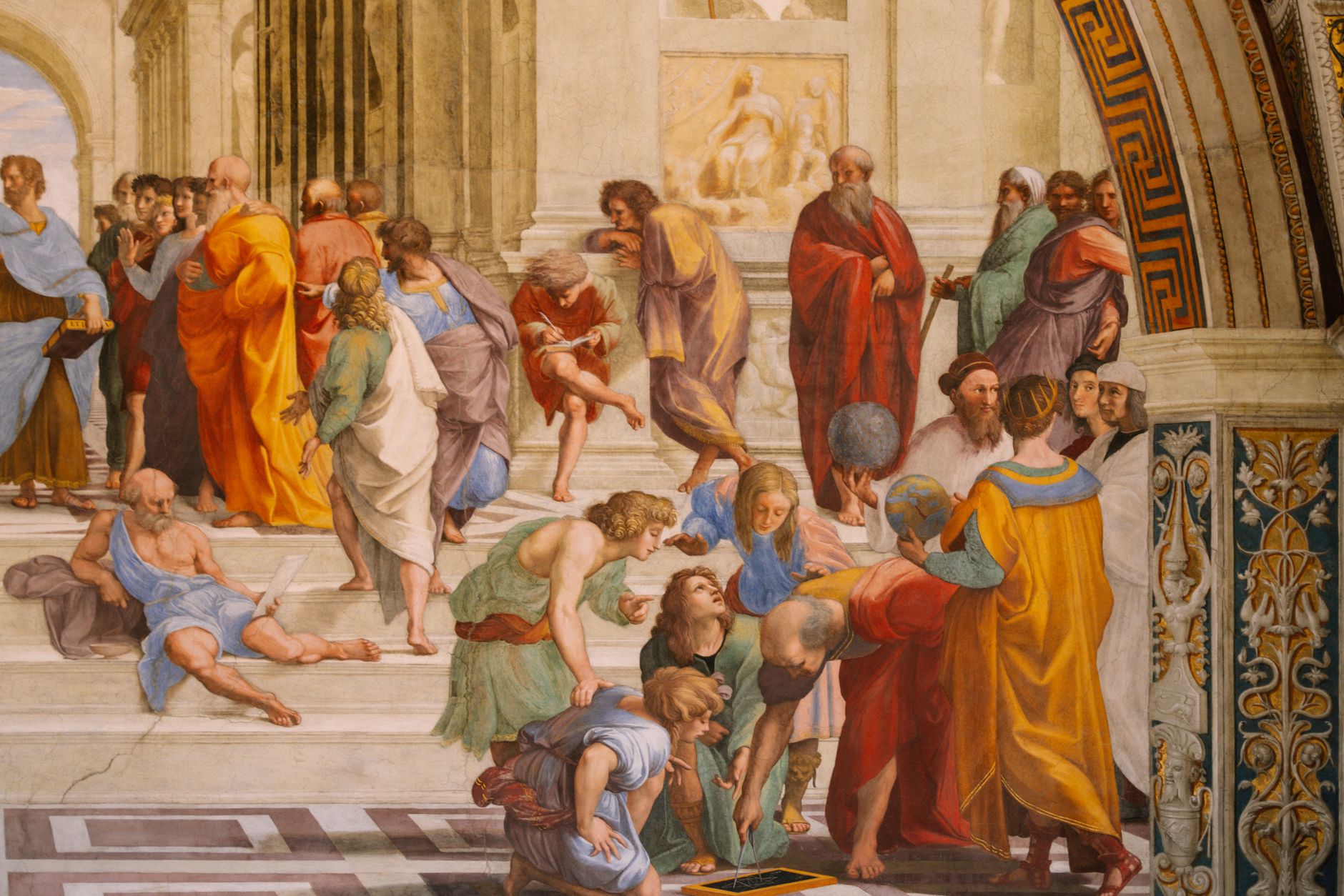
Photo by Josh Withers on Pexels
A Roman Philosopher's Fatal Argument
On April 14, 65 AD, in the city of Naples, the Roman philosopher Seneca was ordered to take his own life by Emperor Nero. This event marked the culmination of a life dedicated to exploring the human condition, particularly the nature of death. Seneca's philosophical arguments, crafted over decades, would ultimately seal his fate.
What Everyone Knows
Most people think that the ancient Greeks and Romans viewed death as a transition to an afterlife or a state of nothingness, with little attention paid to the emotional and psychological implications of mortality. The standard story goes that philosophers of the time, including those from the Stoic school, accepted death as an inevitable part of life, but rarely delved deeper into the emotional aspects of human fear and anxiety surrounding death. However, this perspective overlooks the nuanced and complex discussions that philosophers like Seneca had about death and its significance.
What History Actually Shows
Seneca, a prominent Stoic philosopher, actively engaged with the concept of death throughout his writings, particularly in his letters and essays. By 49 AD, Seneca had already begun to formulate his thoughts on the nature of death, as evident in his letters to Lucilius, where he argues that the fear of death is often more debilitating than death itself. Historian Tacitus, in his Annals, documents the tumultuous relationship between Seneca and Nero, which ultimately led to Seneca's forced suicide. The Roman historian Cassius Dio, in his Roman History, also provides insight into the political climate of the time, highlighting the fact that Seneca's own writings were used against him, with his arguments about the acceptance of death being seen as a threat to Nero's authority. By 62 AD, Seneca had become increasingly withdrawn from public life, focusing on his philosophical works, including his treatise "On the Shortness of Life," where he posits that life is not short, but rather, people's perception of it is flawed. As Seneca's influence grew, so did the suspicion and hostility from Nero, who saw him as a potential rival. The events leading up to Seneca's death, as described by Tacitus, demonstrate a calculated and ruthless campaign by Nero to eliminate any perceived threats to his power, including the philosopher who dared to argue that death was nothing to fear.
The Part That Got Buried
Historians like Edward Gibbon deliberately omitted the story of the Roman philosopher's fate from their accounts, focusing instead on the grand narrative of imperial rise and fall. The Roman Catholic Church also played a significant role in suppressing the philosopher's writings, deeming them heretical and incompatible with Christian doctrine. As a result, many of the philosopher's works were lost or destroyed, and his legacy was all but forgotten. The decision by Renaissance scholars to prioritize the study of other ancient philosophers, such as Plato and Aristotle, further contributed to the erasure of this Roman philosopher's story from the historical record. A key reason for this omission is that the philosopher's ideas about death and the afterlife were seen as too radical and challenging to the dominant Christian views of the time, leading scholars to focus on more "acceptable" topics.
The Ripple Effect
The forced suicide of the Roman philosopher had concrete consequences for the development of Western philosophy, as his ideas about the nature of death and the human condition were not fully explored or built upon until many centuries later. The lack of engagement with his ideas meant that philosophers like Immanuel Kant had to reinvent the wheel, so to speak, when exploring similar concepts. A specific modern thing that traces directly back to this event is the concept of "death acceptance" therapy, which is used in modern hospices and palliative care units to help patients come to terms with their own mortality. This concept has its roots in the philosopher's argument that death is nothing to fear, and is now being used to improve the quality of life for millions of people around the world.
The Line That Says It All
The Roman philosopher's life was cut short by the very same imperial regime that his ideas would ultimately challenge and undermine.
A Note on Sources
This article draws on historical records, documented accounts, and academic research related to 1st-century Roman philosophy and the history of the Roman Empire.


