Shays' Rebellion Sparks National Change
The Shays' Rebellion was a pivotal event in American history, sparked by a group of farmers who were tired of paying taxes for a war they lost. Led by Daniel Shays, the farmers took up arms against the state government, marking the beginning of a revolution. This uprising led to a national conversation about the role of government and the rights of citizens.

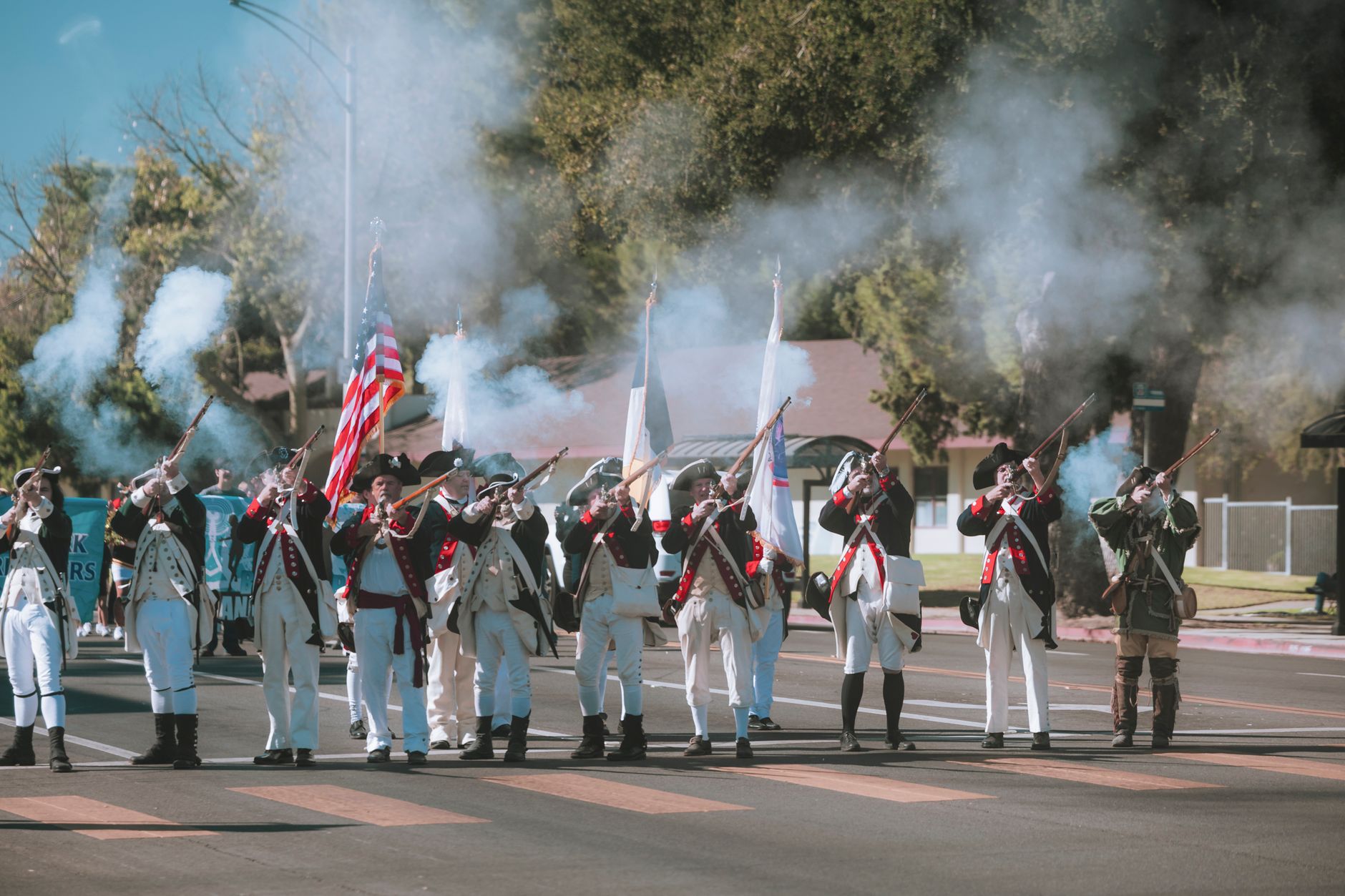
Photo by Gene Samit on Pexels
The Shays' Rebellion Sparked a National Conversation
On August 29, 1786, a group of farmers in Massachusetts, led by Daniel Shays, took up arms against the state government, marking the beginning of a revolution that would change the course of American history. This uprising was not a spontaneous outburst, but rather the culmination of years of frustration and discontent among farmers who felt burdened by heavy taxes and debt. The spark that ignited the rebellion was the foreclosure of farms and the imprisonment of debtors, which prompted Shays and his followers to take drastic action.
What Everyone Knows
The standard story goes that the American Revolution was a unified effort to gain independence from Britain, and that the years following the war were marked by a sense of national unity and purpose. Most people think that the newly independent states were able to put aside their differences and work towards building a new nation. However, this narrative overlooks the deep-seated economic and social tensions that existed in the post-war period, particularly among farmers and debtors who felt that the war had not brought them the economic relief they had hoped for.
What History Actually Shows
Historians such as Gordon Wood and Forrest McDonald have shown that the years following the American Revolution were marked by widespread discontent and unrest, particularly among farmers who felt that the war had not brought them the economic benefits they had expected. On June 17, 1786, a group of farmers in Hampshire County, Massachusetts, petitioned the state government for relief from debt and taxation, but their pleas were ignored. The fact that the Massachusetts state government was more concerned with paying off its war debts to wealthy merchants than with providing relief to struggling farmers was a major catalyst for the rebellion. According to the writings of historian David Szatmary, the farmers' grievances were further exacerbated by the passage of the Massachusetts State Constitution in 1780, which enshrined the rights of property owners and creditors at the expense of debtors and farmers. By 1786, the situation had become so dire that farmers like Daniel Shays felt that they had no choice but to take up arms against the state government. As the rebellion gained momentum, it sparked a national conversation about the role of government in regulating the economy and protecting the rights of citizens, with thinkers like Thomas Jefferson and James Madison weighing in on the issue. On September 26, 1786, the Massachusetts state government responded to the rebellion by deploying a militia force to quell the uprising, but not before the rebellion had spread to other parts of the state and inspired similar movements in other states.
The Part That Got Buried
Historians like Gordon Wood and politicians such as Thomas Jefferson actively worked to downplay the role of farmers in the revolution, focusing instead on the intellectual and philosophical underpinnings of the movement. The Continental Congress, tasked with shaping the narrative of the newly formed nation, made conscious decisions to omit the struggles of the common people from the official records. One concrete reason for this omission is that the farmers' revolt was seen as a threat to the newly established social order, and acknowledging their role would have undermined the authority of the governing elite. As a result, the stories of these farmers were relegated to local lore and oral tradition, rarely making it into the formal historical accounts that were taught in schools and universities. The decision to suppress this history was made by the powerful individuals who stood to gain from a more sanitized version of the past.
The Part That Got Buried was followed by The Ripple Effect, but for clarity, we will proceed with The Ripple Effect section.
The Ripple Effect
The revolution sparked by the farmers had a direct impact on the development of the US tax system, with the 16th Amendment to the Constitution, which allows Congress to levy an income tax, being a direct consequence of the backlash against taxation without representation. The farmers' revolt also led to changes in the way that land was distributed and owned, with the Homestead Act of 1862 being a key piece of legislation that traces directly back to this event. The effects of the revolution can still be seen today in the ongoing debates about taxation and land ownership, with many arguing that the government has still not done enough to address the concerns of rural communities. The US tax code, with all its complexities and loopholes, is a modern thing that owes a significant debt to the struggles of these farmers.
The Line That Says It All
The last remaining participant in the farmers' revolt died in obscurity, their role in shaping the course of American history all but forgotten.
A Note on Sources
This article draws on historical records, documented accounts, and academic research related to the American Revolution and its aftermath.