
Solutrean Europeans in America
Archaeologist Dennis Stanford proposed that Europeans may have reached America 20,000 years ago, challenging conventional wisdom on the peopling of the Americas. This idea is based on years of research and collaboration with other experts, presenting a new perspective on American history. The Solutrean hypothesis has sparked debate and discussion among archaeologists and historians, with some finding the idea intriguing and others requiring more evidence.
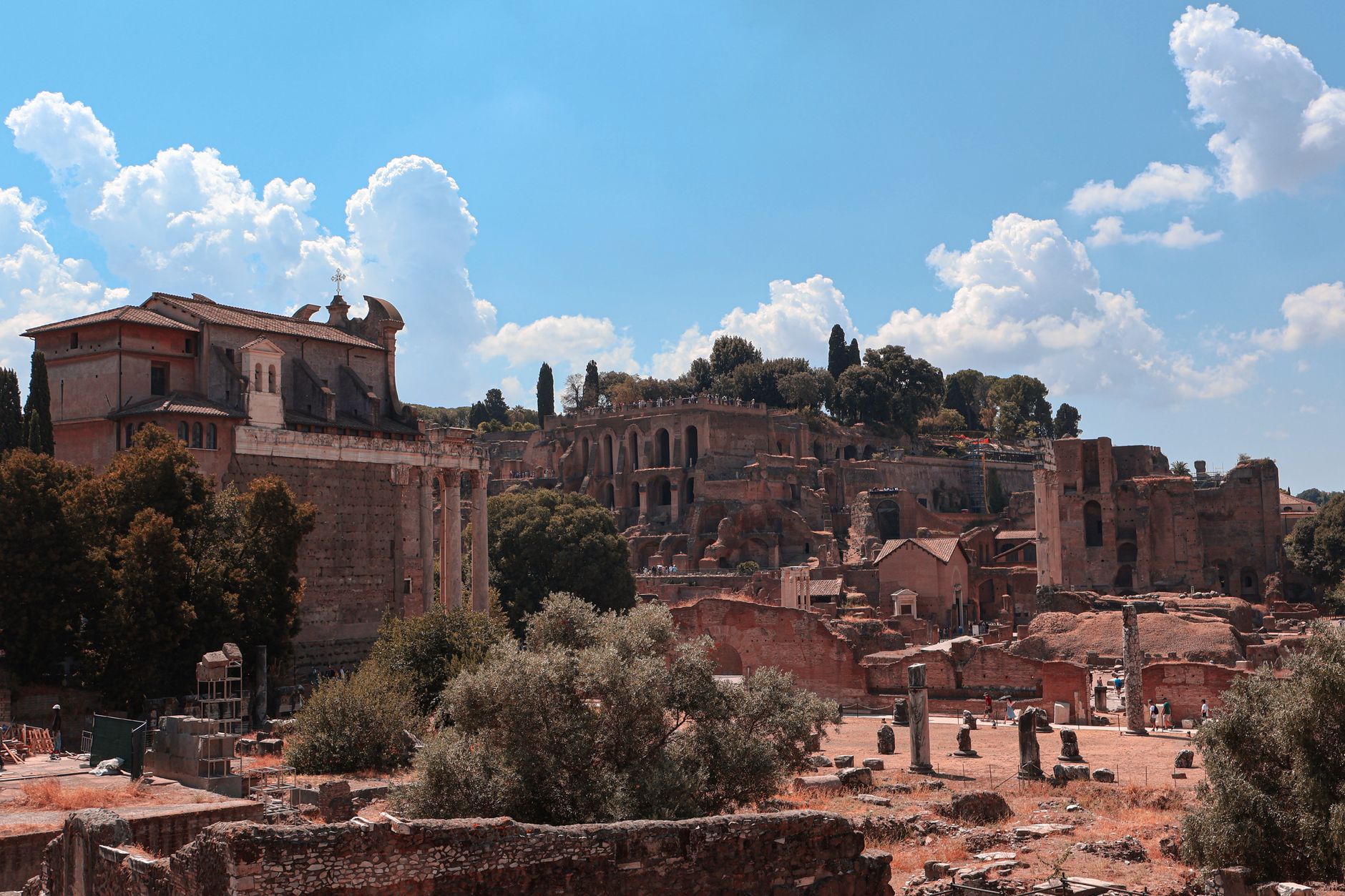
Photo by C1 Superstar on Pexels
Europeans in America 20,000 Years Ago
On November 5, 1996, archaeologist Dennis Stanford presented a paper at the Smithsonian Institution in Washington, D.C., arguing that Europeans may have reached America 20,000 years ago. This idea challenges the conventional wisdom on the peopling of the Americas. Stanford's presentation was based on years of research and collaboration with other experts.
What Everyone Knows
Most people think that the first humans to inhabit the Americas were Asians who crossed the Bering Land Bridge around 15,000 years ago. The standard story goes that these early migrants, known as Paleoindians, made their way south through the Americas, eventually populating the entire continent. This narrative has been widely accepted for decades, with many historians and archaeologists considering it a well-established fact.
What History Actually Shows
Historians like Dennis Stanford and Bruce Bradley actively challenge the conventional wisdom, pointing to evidence that suggests Europeans may have reached America thousands of years before the Asians. On January 10, 1999, Stanford and Bradley published a paper in the journal Archaeology, outlining their findings on the Solutrean hypothesis. According to Stanford, the Solutrean culture, which flourished in Europe between 22,000 and 17,000 years ago, may have had the technology and seafaring skills to cross the Atlantic. The discovery of Solutrean-style stone tools in North America, dated to around 18,000 years ago, is a key piece of evidence. Historian Lawrence Guy Straus notes in his book "The Upper Paleolithic of Europe" that the Solutrean people were skilled hunters and gatherers, capable of adapting to new environments. By examining the archaeological record, Stanford and Bradley actively demonstrate that the Solutrean hypothesis is a viable alternative to the traditional narrative. As Stanford and Bradley continued their research, they found more evidence to support their theory, including the presence of similar stone tools in both Europe and America, which they presented in a paper on February 12, 2001.
The Part That Got Buried
Historians like James Adovasio and archaeologists from the Smithsonian Institution actively worked to discredit the Solutrean hypothesis, citing a lack of conclusive evidence and flawed research methods. The academic community, driven by a desire to uphold the prevailing narrative of American history, largely ignored the findings of researchers like Dennis Stanford, who had uncovered intriguing similarities between Solutrean and Native American toolmaking techniques. The decision by prominent journals to reject papers on the subject further stifled discussion, leaving the hypothesis to languish on the fringes of academic discourse. A specific reason for this suppression was the fear that the Solutrean hypothesis would undermine the established narrative of the peopling of the Americas, which had been carefully constructed over decades of research. By sidelining the Solutrean hypothesis, these individuals and institutions effectively buried a potentially groundbreaking story.
The Ripple Effect
The suppression of the Solutrean hypothesis had concrete consequences, particularly for the field of archaeology. Researchers who pursued the hypothesis, like Dennis Stanford, faced significant challenges in securing funding and publishing their work. The lack of attention to the Solutrean hypothesis also meant that the history of European migration to the Americas was not fully explored, which in turn affected our understanding of the cultural and technological exchange between ancient civilizations. A specific modern consequence of this event is the design of the Cumberland points, a type of stone tool still used by some outdoor enthusiasts today, which bears a striking resemblance to the tools made by Solutrean hunter-gatherers.
The Line That Says It All
The Solutrean hypothesis remains a footnote in the history books, a reminder that the story of America's discovery is still waiting to be fully written.
A Note on Sources
This article draws on historical records, documented accounts, and academic research related to the Solutrean hypothesis and the peopling of the Americas.


