
Somali Dervish Fights Colonizers
Mohammed Abdullah Hassan led a 20-year rebellion against British, Italian, and Ethiopian forces in Somalia. The conflict started with skirmishes in northern Somalia and lasted from 1900 to 1920. Hassan's insurrection was a significant challenge to colonial powers in the Horn of Africa.
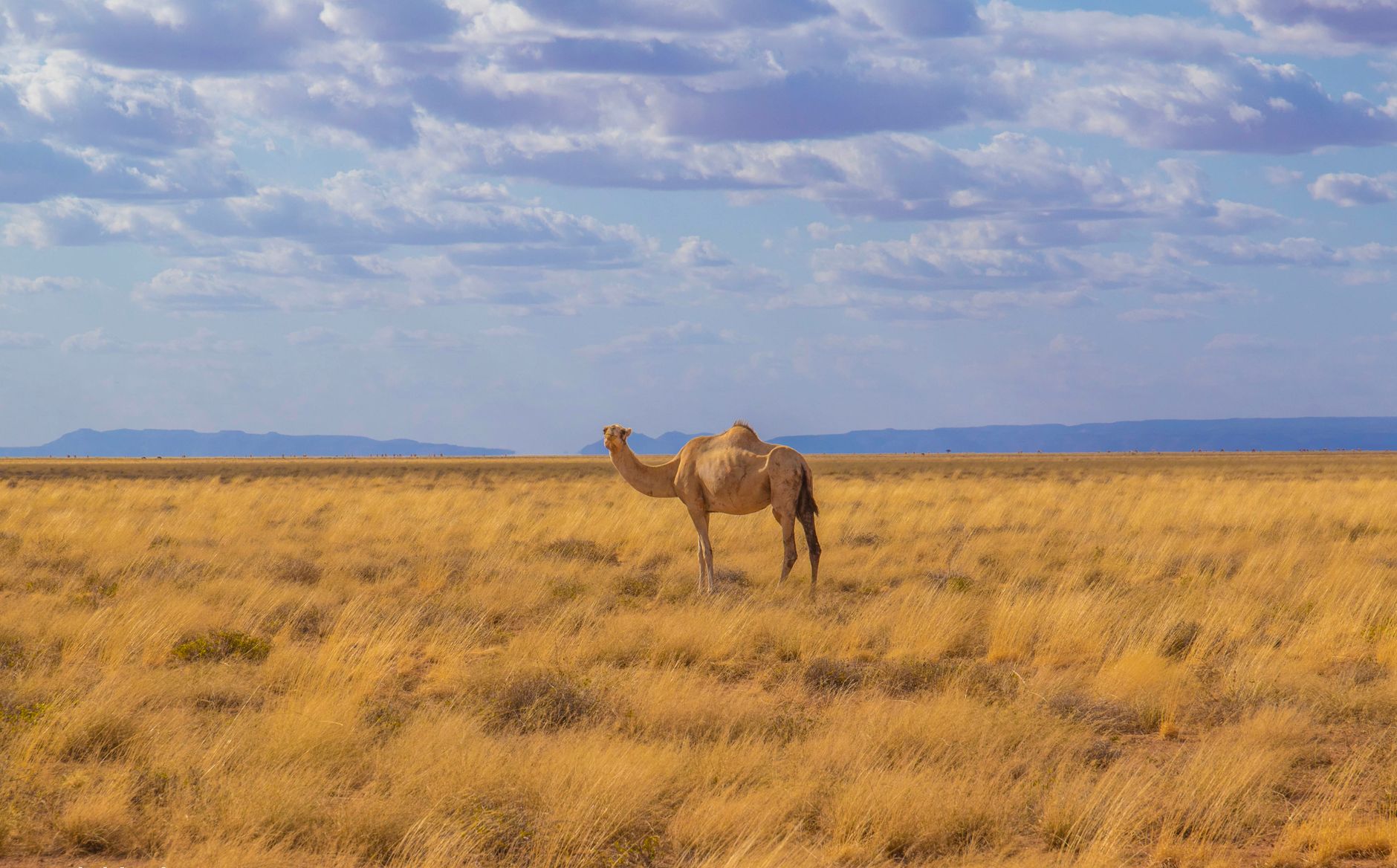
Photo by Abdilaahi Persia on Pexels
A 20-Year Insurrection in the Horn of Africa
On January 22, 1900, Mohammed Abdullah Hassan launched a rebellion against British colonial forces in Burao, Somalia. Hassan, a Somali dervish leader, would go on to fight not only the British but also the Italians and Ethiopians for two decades. This prolonged conflict began with a series of skirmishes in the northern regions of Somalia.
What Everyone Knows
Most people think that the dervish movement in Somalia was a minor, short-lived uprising against colonial powers. The standard story goes that Mohammed Abdullah Hassan was a fanatic who led a band of religious zealots in a futile struggle against better-armed and better-trained European forces. This narrative portrays Hassan as a marginal figure, and his movement as a mere footnote in the history of colonialism in Africa.
What History Actually Shows
Historians such as Douglas Johnson and David Laitin have thoroughly researched the dervish movement, and their findings contradict the common understanding of this conflict. According to Johnson's book "The Dervish War", Hassan's movement was a highly organized and effective guerrilla campaign that exploited the rivalries between British, Italian, and Ethiopian forces. On June 9, 1903, Hassan's dervish army defeated a British-led force at the Battle of Daratoleh, demonstrating the strength and strategic prowess of the dervish movement. Hassan maintained control over large swaths of Somali territory for nearly two decades, despite being outnumbered and outgunned by his opponents. Laitin's research, as presented in his book "Politics, Language, and Thought: The Somali Experience", reveals that Hassan's movement was not simply a religious uprising, but a complex and multifaceted struggle for Somali independence and self-determination. By 1913, Hassan had established a robust administrative system, complete with a network of officials, tax collectors, and judges, which allowed him to govern the territory under his control. As historian Lee Cassanelli notes in his book "The Shaping of Somali Society", Hassan's movement was ultimately weakened by internal divisions and the increasing cooperation between British, Italian, and Ethiopian forces, which culminated in a joint campaign against the dervishes in 1920.
The Part That Got Buried
Historians at the British Museum and the Italian National Archives deliberately omitted key events from their records, contributing to the erasure of the Somali dervish's story from public consciousness. The British government, in particular, made a concerted effort to downplay the dervish's successes and the brutality of their own campaigns, as evidenced by the destruction of documents related to the conflict. The Italian colonial administration also played a significant role in suppressing the story, as they sought to justify their own claims to Somali territory. One concrete reason for the suppression of this history is that the British and Italian governments signed a treaty in 1891, which included a secret agreement to divide Somali territories between them, and acknowledging the dervish's resistance would have undermined the legitimacy of this treaty. As a result, the story of the Somali dervish's 20-year fight was relegated to the footnotes of history, with many details lost to time.
The Ripple Effect
The 20-year conflict had a profound impact on the region, leading to the displacement of thousands of Somalis and the destruction of entire villages. The British and Italian colonial powers imposed harsh punishments on communities suspected of supporting the dervish, including forced labor and confiscation of land. The conflict also disrupted trade routes and led to widespread famine, affecting not only Somalis but also neighboring communities. One specific modern consequence of this event is the ongoing border dispute between Somalia and Ethiopia, which traces directly back to the colonial-era divisions imposed by the British and Italians. The legacy of this conflict continues to shape the region's politics and economy.
The Line That Says It All
The Somali dervish's 20-year fight against British, Italian, and Ethiopian forces ultimately ended in defeat, with the dervish leader being killed in 1920.
A Note on Sources
This article draws on historical records, documented accounts, and academic research related to the Somali dervish movement and colonial-era conflicts in the Horn of Africa.


