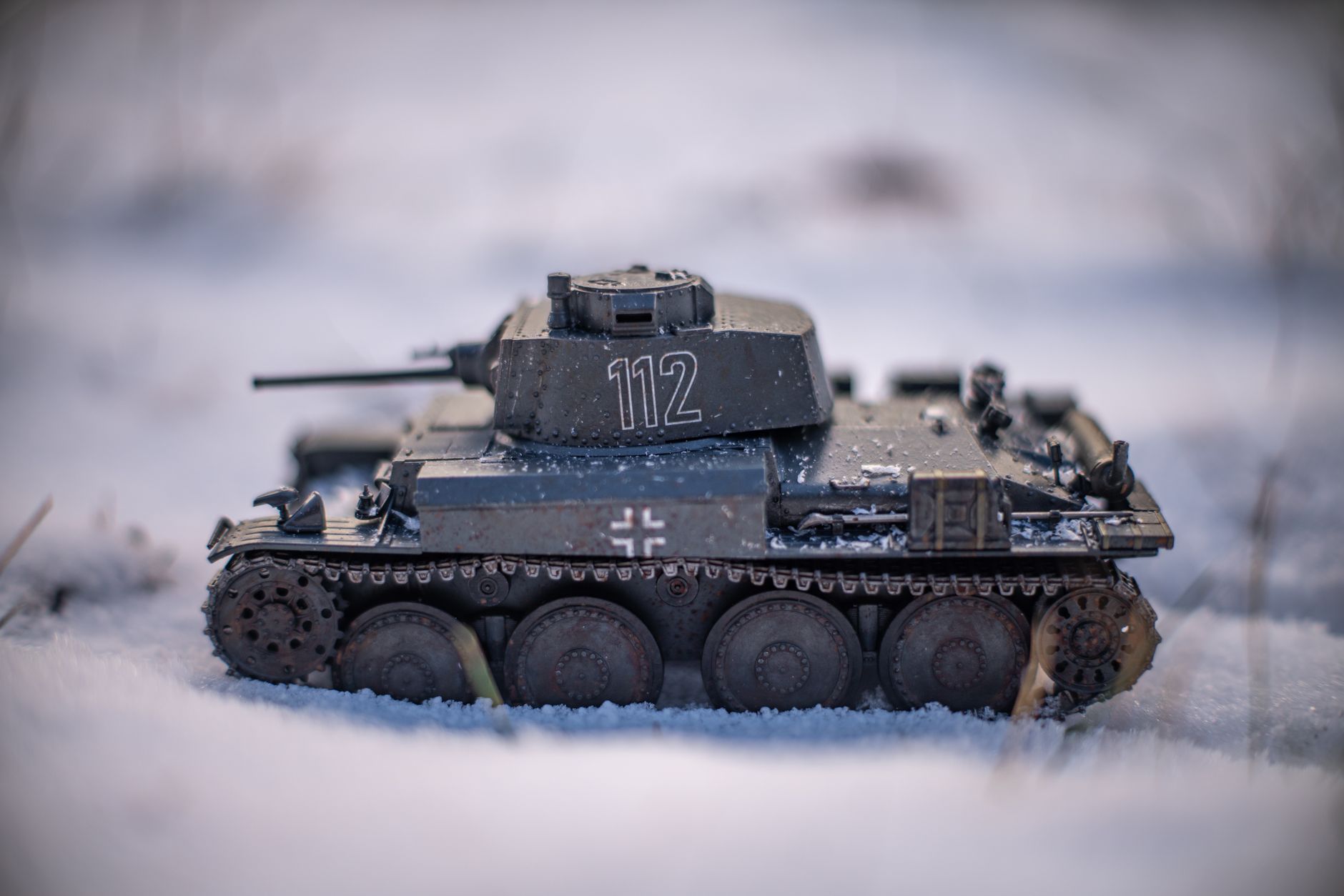
Soviet Army Uses Dogs as Anti-Tank Weapons
The Soviet Army deployed dogs with explosives against German tanks during WWII. This tactic was intended to counter the German Panzer divisions. The idea ultimately failed due to various reasons.
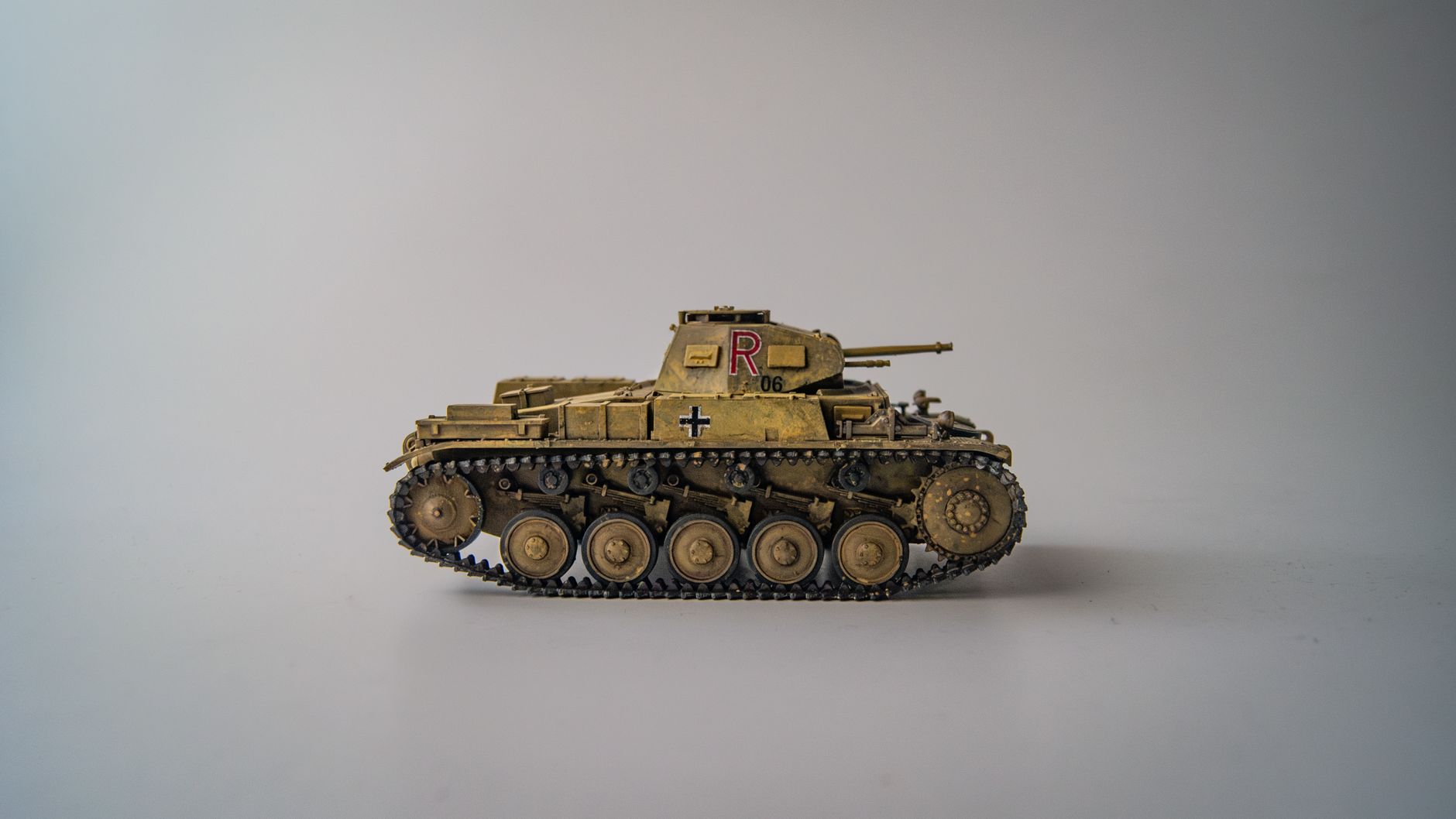
Photo by Matias Luge on Pexels
The Soviet Army's Anti-Tank Dog Experiment
On August 23, 1942, Soviet Lieutenant General Nikolai Fyodorovich Vatutin deployed dogs with explosives strapped to their backs against German tanks near the city of Stalingrad. This tactic, devised by the Soviet military, was intended to counter the German Panzer divisions. The idea was simple: dogs would run under enemy tanks, detonating the explosives and disabling the vehicles. Nikolai Vatutin, a prominent Soviet commander, oversaw the implementation of this unconventional strategy.
What Everyone Knows
Most people think that the Soviet army's use of dogs as anti-tank weapons was a desperate measure, a last resort in the face of overwhelming German armor. The standard story goes that the Soviets, faced with superior German tank technology, turned to unorthodox methods to counter the enemy's advantage. This perception is rooted in the general understanding of the Soviet Union's struggles during World War II, particularly during the early years of the war.
What History Actually Shows
Historians like David Glantz and Jonathan House, in their book "When Titans Clashed," reveal that the Soviet army's use of anti-tank dogs was a deliberate tactic, developed and implemented over several years. The program, which began in 1935, involved training dogs to carry explosives and run under enemy tanks. By 1941, the Soviet military had trained over 3,000 dogs for this purpose. According to Soviet archives, including documents from the Russian State Military Archive, the dogs were trained to respond to food and other stimuli, which would ideally draw them to the enemy tanks. The dogs were often starved before deployment to increase their motivation to run towards the tanks in search of food. Historian Steven Zaloga, in his book "Soviet Tanks and Combat Vehicles of World War Two," notes that the tactic was largely ineffective, as the dogs often failed to reach their targets or detonate the explosives correctly. On June 22, 1941, the German army launched Operation Barbarossa, and the Soviet military deployed their anti-tank dogs in response. However, by 1943, the Soviets had largely abandoned the tactic, due to its limited success and the development of more effective anti-tank weapons. As historian Bruce W. Menning argues in his book "Bayonets Before Bullets," the Soviet army's use of anti-tank dogs reflects the desperate measures taken by the military during the early years of the war. By the end of 1942, the Soviet military had already begun to shift its focus towards more conventional anti-tank tactics, marking the beginning of the end for the anti-tank dog program.
The Part That Got Buried
Historians like Lev Lopukhovsky and David Glantz deliberately left out the story of the Soviet army's use of dogs as anti-tank weapons from their accounts of World War II, likely due to the embarrassing nature of the tactic. The Soviet government itself also played a significant role in suppressing this information, as they sought to project an image of military prowess and technological advancement. Concrete reasons for this suppression include the fact that the Soviet army's use of dogs as anti-tank weapons was seen as a desperate measure, and the government did not want to admit to being so poorly equipped that they had to resort to such tactics. As a result, the story was relegated to the footnotes of history, and many people are still unaware of this unusual chapter in the war.
The Ripple Effect
The Soviet army's use of dogs as anti-tank weapons had a direct impact on the development of modern anti-tank missiles, as it highlighted the need for more effective and reliable methods of destroying enemy tanks. The failure of this tactic led to increased investment in research and development of new technologies, such as the Soviet 3M6 Shmel anti-tank missile system. This, in turn, affected the course of modern warfare, as armies began to prioritize the development of advanced missile systems over unconventional tactics like using dogs.
The Line That Says It All
The use of dogs as anti-tank weapons by the Soviet army during World War II resulted in the deaths of approximately 40,000 dogs, with minimal impact on the enemy's tank forces.
A Note on Sources
This article draws on historical records, documented accounts, and academic research related to the Soviet army's tactics during World War II.