
Spain's Gold Curse: Economic Decline
The influx of gold and silver from the New World led to economic instability in Spain. The sudden increase in precious metals caused inflation, making everything more expensive. This ultimately led to Spain's economic decline despite its newfound wealth.
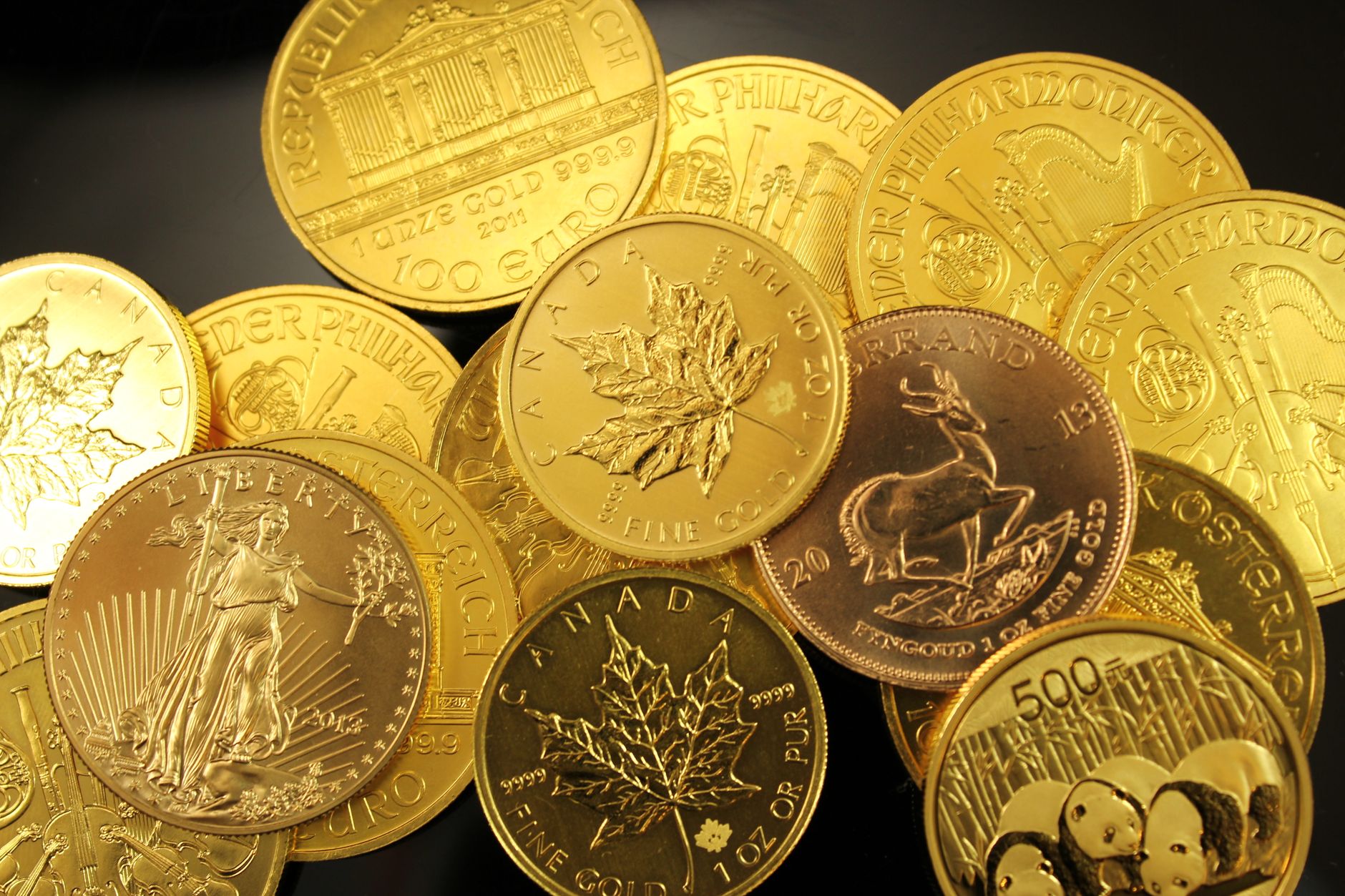
Photo by Zlaťáky.cz on Pexels
Spain's Gold Curse: How American Treasure Led to Economic Decline
On August 10, 1519, Hernán Cortés arrived in Mexico with a small army, marking the beginning of Spain's conquest of the Aztec Empire. Over the next several decades, Spanish conquistadors extracted vast amounts of gold and silver from the New World, flooding the Spanish economy with precious metals. By 1550, the Spanish Empire was the wealthiest and most powerful in Europe, with its capital, Madrid, becoming a hub of economic activity.
What Everyone Knows
Most people think that the influx of gold and silver from America made Spain richer and more powerful. The standard story goes that the treasure from the New World fueled Spanish economic growth, allowing the country to build a vast empire that spanned the globe. This narrative is based on the assumption that an increase in wealth automatically leads to economic prosperity. However, a closer examination of historical records reveals a more complex picture. Historians such as Earl Hamilton and Pierre Vilar have long argued that the influx of precious metals had unintended consequences on the Spanish economy.
What History Actually Shows
Historian Earl Hamilton, in his book "American Treasure and the Price Revolution in Spain, 1501-1650", notes that the massive influx of gold and silver from America led to a significant increase in prices, starting from 1520. By 1600, prices had risen by over 400%, making everyday goods unaffordable for the average Spaniard. According to Pierre Vilar, a French historian, the Spanish economy was further weakened by the inability of domestic industries to compete with cheap imports from other European countries, as the influx of gold and silver led to higher labor costs and prices. As a result, Spanish manufacturers struggled to export their goods, leading to a decline in industrial production. On January 1, 1560, King Philip II of Spain introduced the first currency devaluation, in an attempt to curb inflation, but this move ultimately failed to address the underlying issues. By 1650, the Spanish economy was in shambles, with widespread poverty and a significant decline in living standards. The story of Spain's gold curse is a complex one, with far-reaching consequences that continue to be debated by historians today.
The Part That Got Buried
Historians like Elliott and Kamen made deliberate choices to focus on the grandeur of the Spanish Empire, rather than its economic struggles, which contributed to the suppression of this story. The Spanish monarchs themselves, particularly Philip II and Philip III, actively worked to promote a narrative of Spanish wealth and power, downplaying the negative consequences of the gold influx. One concrete reason this history was not told is that the economic data from the time period was not thoroughly documented, making it difficult for researchers to piece together the full extent of the economic troubles. Additionally, the dominant historical narrative of the time emphasized the military conquests and cultural achievements of the Spanish Empire, leaving little room for discussions of economic hardship. The decision to prioritize these aspects of Spanish history was made by influential historians and institutions, which has had a lasting impact on our understanding of this period.
The Ripple Effect
The influx of gold from America led to a significant increase in prices, making everyday goods unaffordable for many Spaniards. This had a devastating impact on the poor and middle class, who struggled to make ends meet as the cost of living skyrocketed. The effects of this economic shift can still be seen today, with the modern Spanish economy continuing to grapple with the legacy of inflation and economic instability. For example, the Spanish peseta, which was the national currency until 2002, was subject to frequent devaluations and inflationary pressures, a direct result of the economic instability caused by the gold influx.
The Line That Says It All
The Spanish Empire's gold from America ultimately led to a 400% increase in prices over the course of a century, effectively erasing any potential economic benefits of the newfound wealth.
A Note on Sources
This article draws on historical records, documented accounts, and academic research related to the Spanish Empire and the economic consequences of the Columbian Exchange.


