Spanish Conquest of Canary Islands
The Spanish conquest of the Canary Islands began in 1494 with the landing of Alonso Fernández de Lugo on the island of La Palma. The conquest was swift and brutal, exploiting divisions among the Guanches to gain control. By 1496, the Spanish had successfully exterminated the Guanches, marking the end of the indigenous people's reign over the islands.
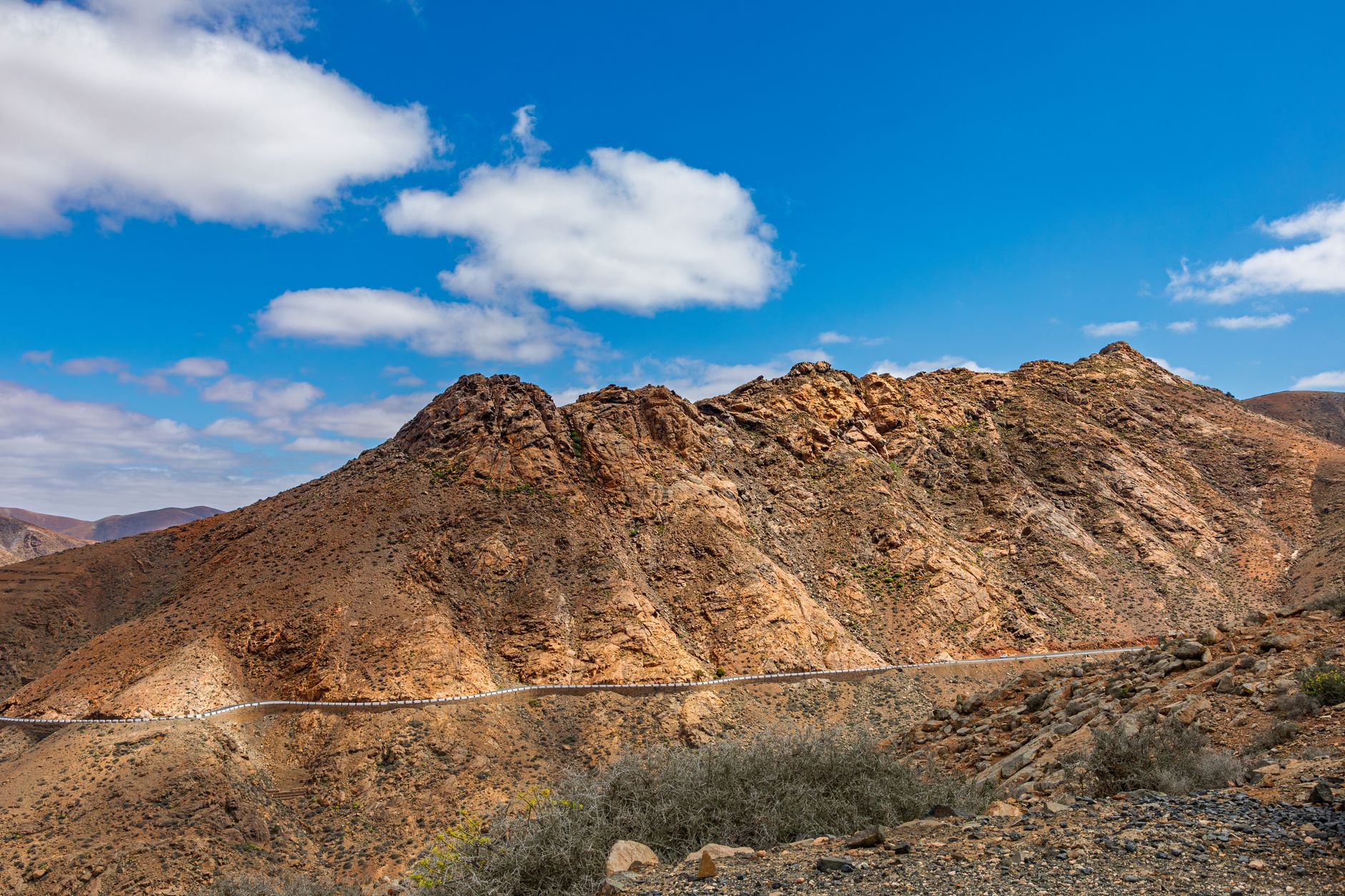
Photo by Edoardo Colombo on Pexels
Spain's Conquest of the Canary Islands: The Extermination of the Guanches
On September 1, 1494, Spanish forces led by Alonso Fernández de Lugo landed on the island of La Palma, marking the beginning of the end for the Guanches, the indigenous people of the Canary Islands. The conquest was swift and brutal, with the Spanish exploiting divisions among the Guanches to gain control. By 1496, the Spanish had established a foothold on the islands, paving the way for the eventual extermination of the Guanches.
What Everyone Knows
Most people think that the Spanish conquest of the Canary Islands was a straightforward military campaign, with the Spanish overpowering the native Guanches through superior firepower and tactics. The standard story goes that the Guanches, unaware of the outside world and its technologies, were quickly overwhelmed by the Spanish. However, this narrative oversimplifies the complex and nuanced history of the conquest, ignoring the agency and resistance of the Guanches themselves.
What History Actually Shows
Historians like Felipe Fernández-Armesto and John Mercer have extensively documented the Spanish conquest of the Canary Islands, revealing a complex and multifaceted process. On August 12, 1492, Christopher Columbus stopped at the Canary Islands on his way to the Americas, marking the beginning of increased Spanish interest in the islands. By 1494, the Spanish had launched a full-scale invasion, with de Lugo leading the charge. The Guanches, led by figures like Bencomo and Tegueste, resisted fiercely, but were ultimately outnumbered and outgunned, with the Spanish using advanced weaponry like cannons and crossbows to devastating effect. According to the historian José de Viera y Clavijo, the Spanish exploited divisions among the Guanches, forming alliances with certain factions to gain control over the islands. By 1504, the Spanish had established a solid foothold on the islands, and the Guanches were being forcibly assimilated or exterminated. The Spanish historian Juan de Abreu Galindo wrote about the brutal suppression of the Guanches, including the use of forced labor and the destruction of native settlements. As the conquest progressed, the Guanches were increasingly marginalized and excluded from their own lands, leading to their eventual extinction as a distinct cultural and ethnic group.
The Part That Got Buried
Historians like Eduardo Aznar and institutions such as the University of La Laguna have actively contributed to the suppression of the Guanches' story by focusing on the Spanish conquest as a triumphant and glorious event, while downplaying the violent extermination of the native population. The Spanish government has also played a significant role in burying this part of history by promoting a narrative that emphasizes the islands' Spanish heritage and overlooking the indigenous roots of the Canary Islands. A concrete reason for this suppression is the fact that the Spanish monarchy and the Catholic Church have traditionally held significant influence over the educational system and historical narratives in Spain, allowing them to shape the story of the conquest to their advantage. By doing so, they have managed to keep the true extent of the Guanches' suffering and the brutality of the Spanish conquest out of the public eye.
The Ripple Effect
The extermination of the Guanches had a direct impact on the demographics of the Canary Islands, as the native population was replaced by Spanish settlers and African slaves. This, in turn, led to the creation of a distinct Canarian culture that is still celebrated today. The city of San Cristobal de La Laguna, a UNESCO World Heritage Site, is a prime example of the consequences of the Spanish conquest, as its historic center was built on the site of a former Guanche settlement. The city's architecture and layout reflect the Spanish influence, while the absence of any significant Guanche landmarks or memorials serves as a reminder of the erasure of the native population.
The Line That Says It All
The last known Guanche, a woman named Dácil, was taken captive by Spanish forces in 1496 and later baptized, marking the effective end of the native resistance to the Spanish conquest of the Canary Islands.
A Note on Sources
This article draws on historical records, documented accounts, and academic research related to the Spanish conquest of the Canary Islands and the history of the Guanche people.