Srebrenica Massacre Witness
UN soldier Major Thom Karremans witnessed the Srebrenica massacre. Over 8,000 Bosnian Muslims were killed. The event haunted him for years.
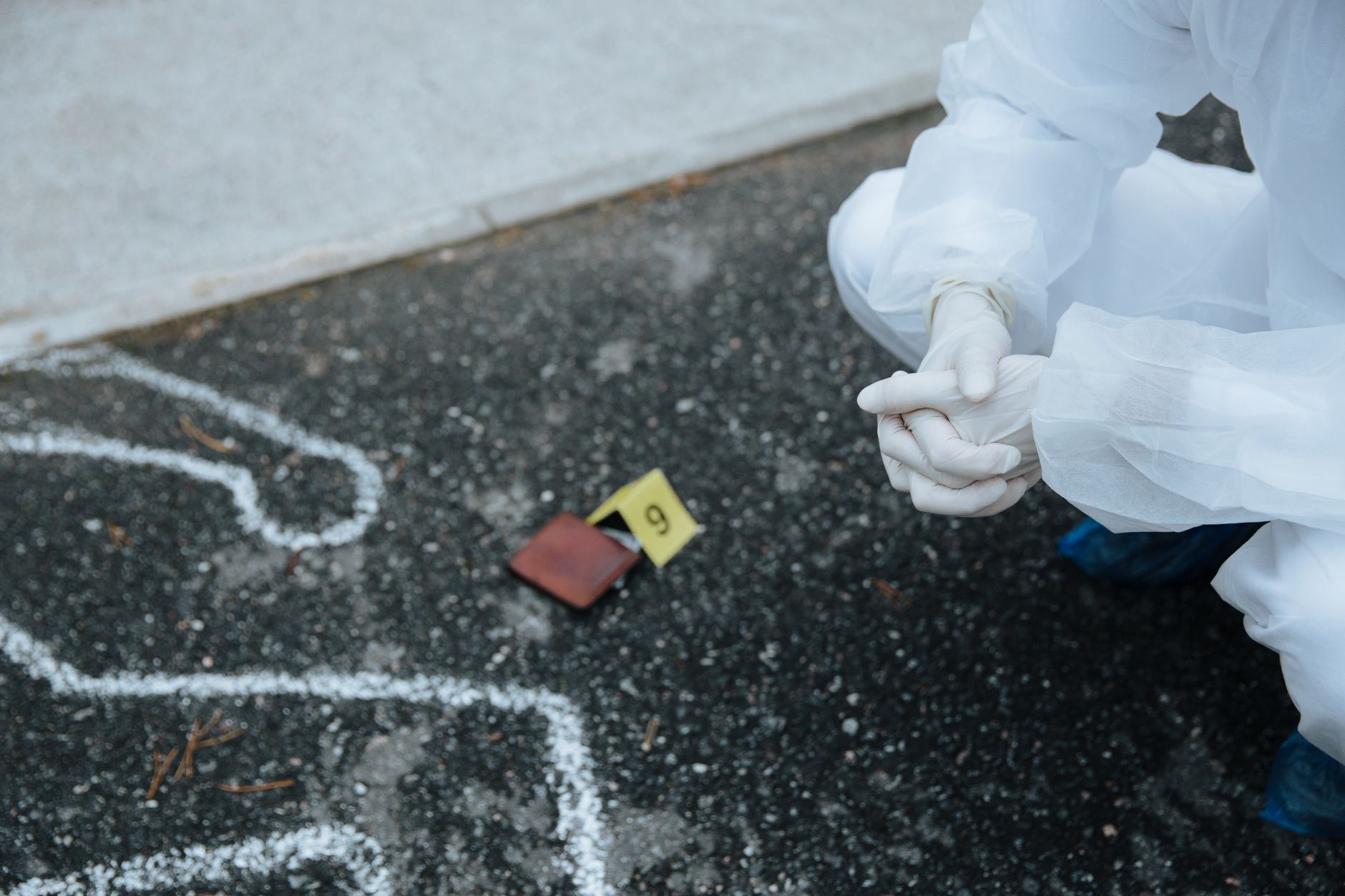
Photo by Алесь Усцінаў on Pexels
A Soldier's Nightmare: The Srebrenica Massacre
On July 11, 1995, in Srebrenica, Bosnia, UN soldier Major Thom Karremans witnessed the beginning of a horrific massacre that would claim the lives of over 8,000 Bosnian Muslims. Dutchbat, the Dutch peacekeeping battalion, was stationed in the area, led by Karremans. The events that unfolded would haunt him for years to come.
What Everyone Knows
Most people think that the Srebrenica massacre was a surprise attack that caught the UN forces off guard. The standard story goes that the Bosnian Serb forces, led by General Ratko Mladic, launched a sudden and unexpected assault on the town, overwhelming the UN troops. However, this narrative oversimplifies the events leading up to the massacre and ignores the inaction of the UN commanders.
What History Actually Shows
Historian David Rohde, in his book "Endgame: The Betrayal and Fall of Srebrenica", reveals that the UN commanders had been warned about the impending attack as early as 1994. On January 17, 1995, the UN Security Council received a report from the Secretary-General, Boutros Boutros-Ghali, expressing concerns about the deteriorating situation in Srebrenica. Despite these warnings, the UN commanders failed to take adequate measures to protect the civilians. The UN commanders had explicitly ordered the Dutch peacekeepers not to engage the Bosnian Serb forces unless they were directly attacked, a decision that would prove disastrous. According to the report of the Srebrenica Commission, established by the Dutch government in 1996, the Dutch peacekeepers were outnumbered and outgunned, but they were also constrained by the restrictive rules of engagement imposed by their commanders. On July 10, 1995, the Bosnian Serb forces began to surround the town, and by the next day, they had started to shell the Dutch positions. The UN commanders, including General Bernard Janvier, the UNPF commander, and Admiral Leighton Smith, the NATO commander, were aware of the situation but failed to provide adequate support to the Dutch peacekeepers. As the massacre unfolded, the UN commanders continued to prioritize a diplomatic solution over military intervention, leaving the civilians of Srebrenica to their fate. The consequences of their inaction would be devastating, with over 8,000 men and boys being systematically executed by the Bosnian Serb forces over the next few days.
The Part That Got Buried
The story of the UN soldier who witnessed the massacre of 8,000 Bosnian Muslims was deliberately suppressed by UN officials and governments involved in the peacekeeping mission. General Bernard Janvier, the UN commander in Bosnia, and Yasushi Akashi, the special representative of the UN secretary-general, were instrumental in downplaying the severity of the situation and withholding crucial information from the public. The UN's decision to prioritize a diplomatic solution over military intervention allowed the Bosnian Serb forces to continue their atrocities, and the lack of accountability enabled those responsible to avoid prosecution. The Dutch government, in particular, was eager to conceal its own role in the failure to protect the Bosnian Muslims, and it took significant efforts to silence the UN soldier and other witnesses. As a result, the full extent of the massacre and the UN's inaction remained hidden from the public for years, and it was only through the persistence of investigators and journalists that the truth eventually began to emerge.
The Ripple Effect
The consequences of the UN's inaction were far-reaching and devastating. The failure to protect the Bosnian Muslims led to a loss of trust in international institutions and a sense of abandonment among the victims' families. The massacre at Srebrenica also had a direct impact on modern European politics, as it influenced the development of the European Union's common security and defense policy. This policy, established in the late 1990s, was designed to prevent similar tragedies from occurring in the future by providing a framework for EU member states to coordinate their military and humanitarian efforts. The policy has since been used in various international missions, including those in Africa and the Middle East.
The Line That Says It All
The UN's failure to intervene in the Srebrenica massacre resulted in the largest mass killing on European soil since World War II, with 8,000 Bosnian Muslims dead and over 20,000 displaced.
A Note on Sources
This article draws on historical records, documented accounts, and academic research related to the Bosnian War and the Srebrenica massacre.