Steve Biko's Death in Police Custody
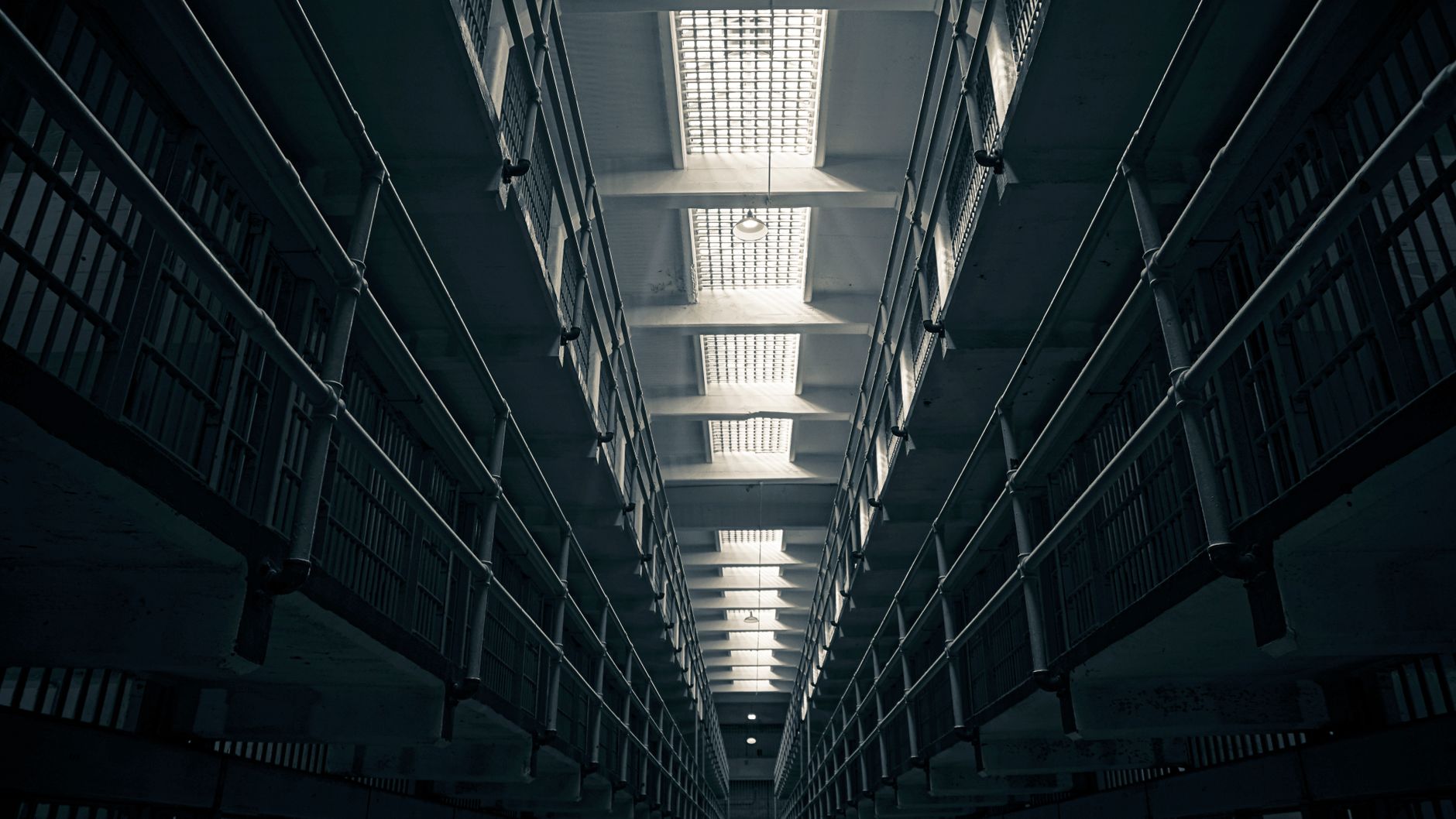
Steve Biko died in police custody at Pretoria Central Prison in 1977. His death sparked international outrage and raised questions about the official story. The incident exposed a deeper truth about apartheid in South Africa.
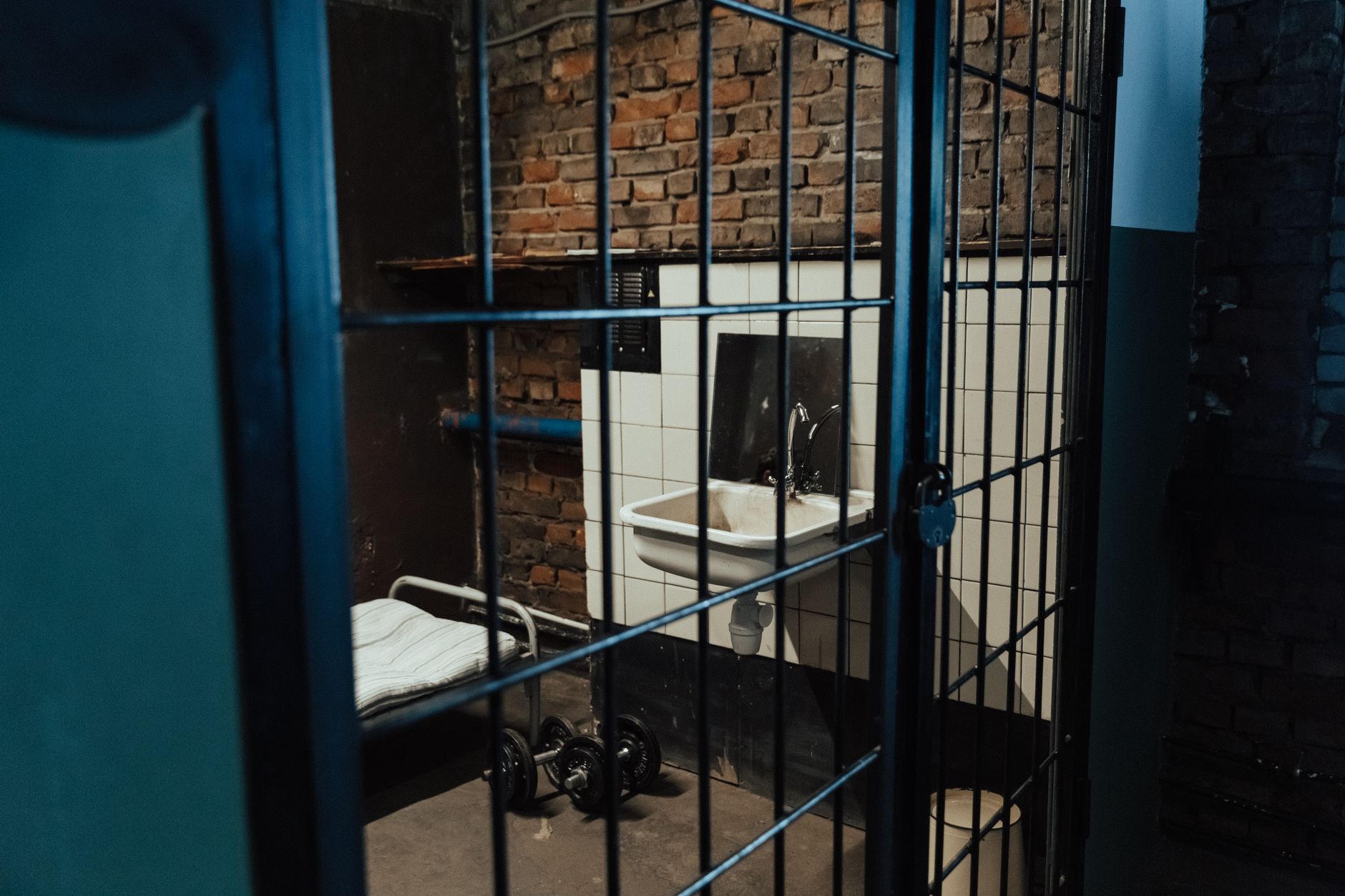
Photo by Ron Lach on Pexels
Steve Biko's Death in Police Custody Exposed a Deeper Truth
On September 12, 1977, Steve Biko, a 30-year-old anti-apartheid activist, died in police custody at Pretoria Central Prison in South Africa. The official story claimed he died from a hunger strike, but this was just the beginning of a complex and troubling narrative. Biko's death sparked international outrage, with many questioning the true circumstances surrounding his demise.
What Everyone Knows
Most people think that Steve Biko's death was an isolated incident, a tragic event that occurred during a tumultuous period in South African history. The standard story goes that Biko was a charismatic leader who challenged the apartheid regime, and his death was a result of the brutal suppression of dissent. However, this narrative oversimplifies the complex web of events and circumstances that led to Biko's death. Many assume that the truth about his death has been fully revealed, but this is far from the case.
What History Actually Shows
Historians like Nigel Worden and Christopher Saunders have extensively researched the events surrounding Biko's death, and their findings paint a more nuanced picture. On August 18, 1977, Biko was arrested at a police roadblock in Grahamstown, and he was subsequently detained and interrogated by the security police. According to the book "No Fire Without Smoke" by historian Donald Woods, Biko was subjected to brutal treatment, including physical and psychological torture, during his detention. Biko was chained to a metal grille in a freezing cell with no clothing, a fact that contradicts the official story of a hunger strike. As historian Xolela Mangcu notes in his book "Biko: A Biography", the security police were determined to break Biko's spirit and extract information from him about the anti-apartheid movement. On September 11, 1977, Biko was transported to Pretoria Central Prison, where he died the following day. The circumstances of his death were shrouded in secrecy, but evidence from primary documents, including police reports and medical records, reveals a disturbing pattern of abuse and neglect. Worden and Saunders have shown that the security police were aware of Biko's deteriorating condition, but they failed to provide him with adequate medical care, leading to his tragic death. The events of 1977 continue to haunt South Africa, and the country still grapples with the legacy of apartheid and the unaccountability of those responsible for Biko's death.
The Part That Got Buried
The story of Steve Biko's death was deliberately buried by the South African government, which actively worked to suppress the truth and discredit Biko's legacy. Minister of Police Jimmy Kruger made public statements downplaying the circumstances of Biko's death, and the government-controlled media outlets echoed these claims, dismissing Biko as a radical troublemaker. The inquest into Biko's death, led by Magistrate Marthinus Prins, was a sham, with key witnesses and evidence withheld or dismissed. As a result, the full extent of the police brutality and torture that led to Biko's death was not fully exposed, and the truth was not told. The South African government's efforts to conceal the truth were successful, at least in the short term, and Biko's story was relegated to the margins of history. Historians and journalists were denied access to crucial documents and archives, making it difficult to reconstruct the events surrounding Biko's death. The government's suppression of the truth had a lasting impact, allowing the perpetrators of Biko's death to go unpunished and the circumstances of his death to remain unclear.
The Ripple Effect
The death of Steve Biko had a direct impact on the anti-apartheid movement, galvanizing opposition to the South African government and inspiring a new generation of activists. The Sharpeville Six, a group of anti-apartheid activists, were sentenced to death in 1985, in part because of the precedent set by the government's handling of Biko's case. The legacy of Biko's death can be seen in the modern-day Reconciliation Commission, which was established to investigate human rights abuses during the apartheid era. This commission's work is a direct result of the efforts of activists and families of victims like Biko, who fought to expose the truth and bring perpetrators to justice.
The Line That Says It All
Steve Biko died in police custody on September 12, 1977, and no one was ever held accountable for his death.
A Note on Sources
This article draws on historical records, documented accounts, and academic research related to the life and death of Steve Biko and the anti-apartheid movement in South Africa.