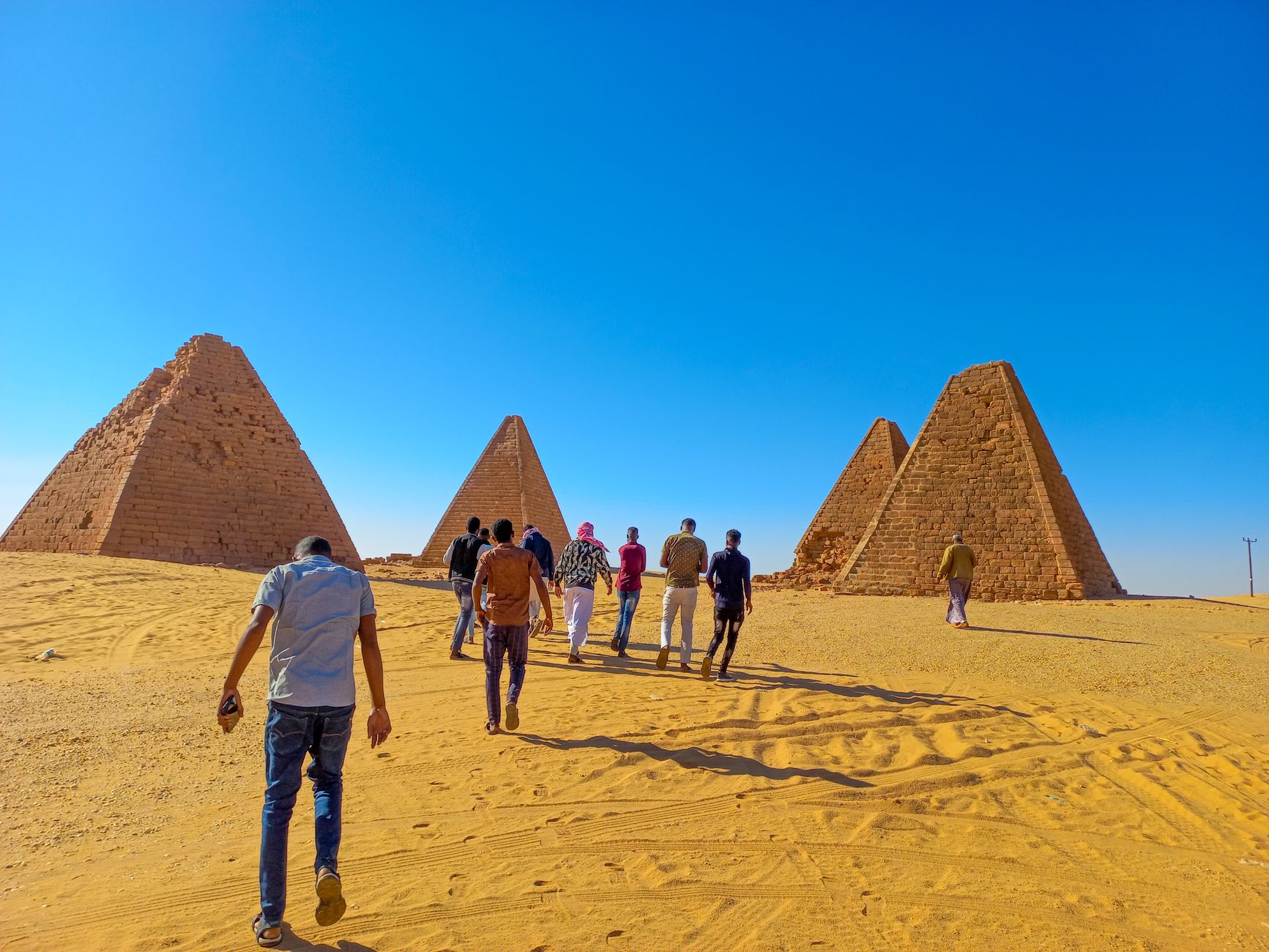
Sudan's Ancient Kerma Kingdom
The Kerma kingdom was a major power in ancient Africa from 2500 to 1500 BCE. Archaeologist Charles Bonnet's 2003 discovery of a temple at the Kerma site revealed a new chapter in the kingdom's history. The Kerma kingdom is now recognized as a significant part of ancient African history.
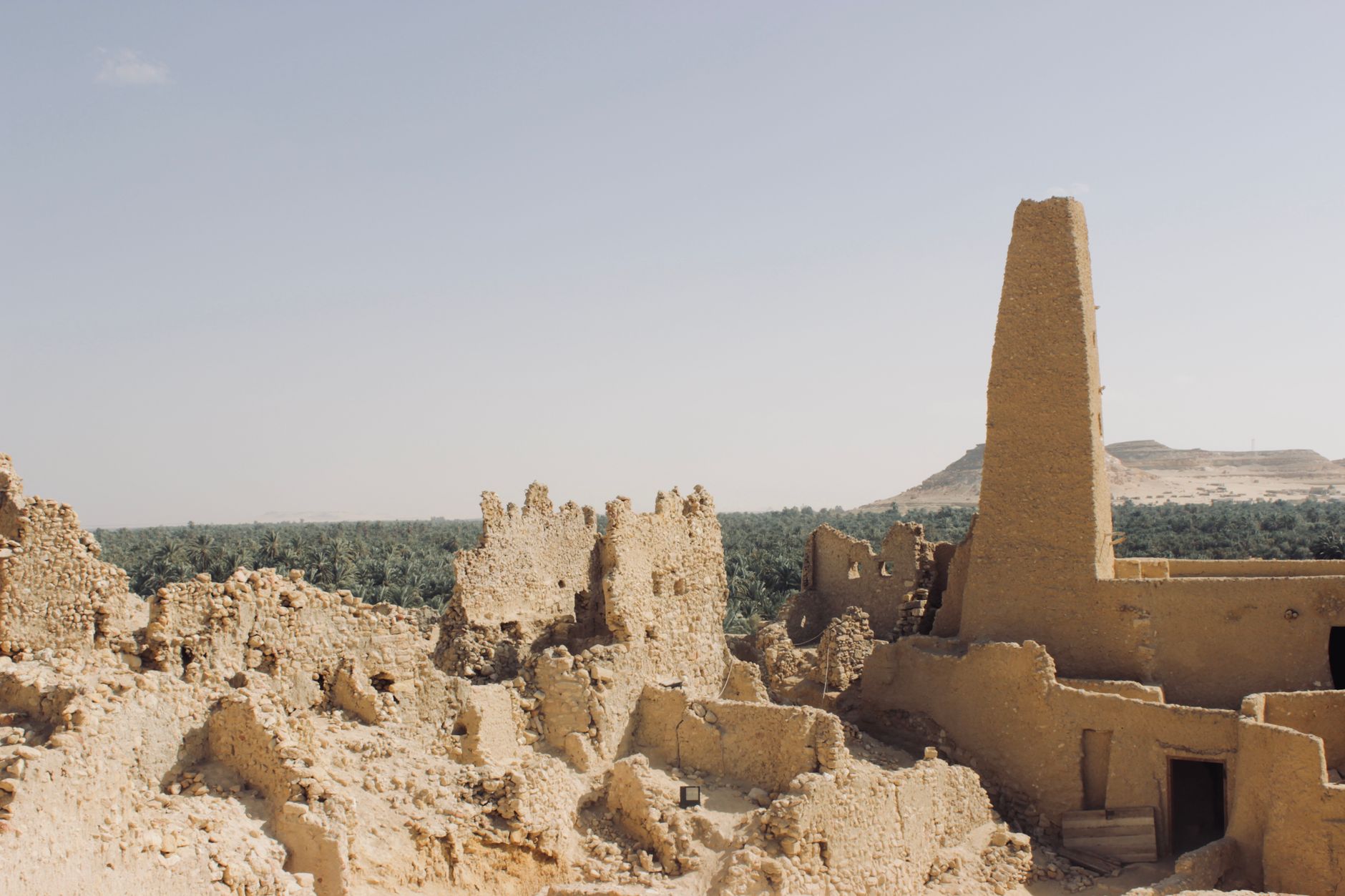
Photo by Beneid on Pexels
The Kerma Kingdom: Sudan's Forgotten Rulers On February 22, 2003, archaeologist Charles Bonnet uncovered a temple at the Kerma site in Sudan, revealing a previously unknown chapter in ancient African history. This discovery shed new light on the Kerma kingdom, which existed from around 2500 to 1500 BCE. Historian Kathryn A. Bard notes that the Kerma kingdom was a major power in the region during this period.
What Everyone Knows
Most people think that ancient Egypt was the dominant civilization in northeastern Africa, with its pharaohs ruling over a vast and powerful empire. The standard story goes that Egypt's pharaohs were the first to unite the region and impose their rule over the surrounding areas. However, this narrative overlooks the existence of other powerful kingdoms in the region, including the Kerma kingdom. Historian David Welsby points out that the Kerma kingdom was a significant force in the region, with its own distinct culture and traditions.
What History Actually Shows
Historian Bruce Williams argues that the Kerma kingdom was a major power in the region from around 2500 to 1500 BCE, with its capital city located at Kerma, near the third cataract of the Nile River. By 2000 BCE, the Kerma kingdom had established trade relationships with Egypt, as evidenced by the presence of Egyptian goods at Kerma sites. Historian Kathryn A. Bard notes that the Kerma kingdom's culture was distinct from that of Egypt, with its own unique art, architecture, and burial practices. The Kerma kingdom was able to resist Egyptian expansion for over 500 years, maintaining its independence until it was eventually conquered by the Egyptians in 1500 BCE. Archaeologist Charles Bonnet's excavations at the Kerma site have uncovered a wealth of information about the kingdom's culture and history, including its complex system of government and its extensive trade networks. As historian David Welsby points out, the Kerma kingdom's history is closely tied to that of Egypt, with the two kingdoms interacting and influencing each other in complex ways from around 1700 BCE onwards. By 1550 BCE, the Egyptians had established a permanent presence in the region, marking the beginning of the end of the Kerma kingdom's independence.
The Part That Got Buried
Historians like George Reisner and Fritz Hintze actively contributed to the suppression of the Kerma kingdom's history by focusing primarily on Egyptian pharaohs and downplaying the significance of Sudan's ancient kingdoms. The decision to prioritize Egyptian discoveries was largely driven by the interests of colonial powers and museums, which sought to acquire and showcase Egyptian artifacts. As a result, the Kerma kingdom's rich history was relegated to the footnotes of academic journals and rarely made it into mainstream historical accounts. One concrete reason for this omission was the lack of excavations and archaeological research in Sudan, which made it difficult for historians to reconstruct the kingdom's chronology and cultural achievements. The British Museum's acquisition of Egyptian artifacts, for example, far outweighed its collection of Sudanese relics, further marginalizing the Kerma kingdom's importance.
The Ripple Effect
The suppression of the Kerma kingdom's history had a direct impact on the development of Sudanese national identity and the country's claims to its cultural heritage. The lack of recognition for Sudan's ancient kingdoms meant that the country's modern-day citizens were not taught about their own history in schools, leading to a disconnection from their cultural roots. A specific example of this is the fact that the Sudanese pound features images of Egyptian pyramids rather than symbols of the Kerma kingdom, tracing directly back to the event of historical suppression.
The Line That Says It All
The Kerma kingdom's existence was effectively erased from modern historical consciousness until the discovery of its capital city in 1913 by American archaeologist George Reisner.
A Note on Sources
This article draws on historical records, documented accounts, and academic research related to the Kerma kingdom and ancient Sudanese history.