Sukarno: Founding Father of Indonesia
Sukarno was Indonesia's first president from 1945 to 1967. He played a key role in the country's declaration of independence. Sukarno died under house arrest in 1970.

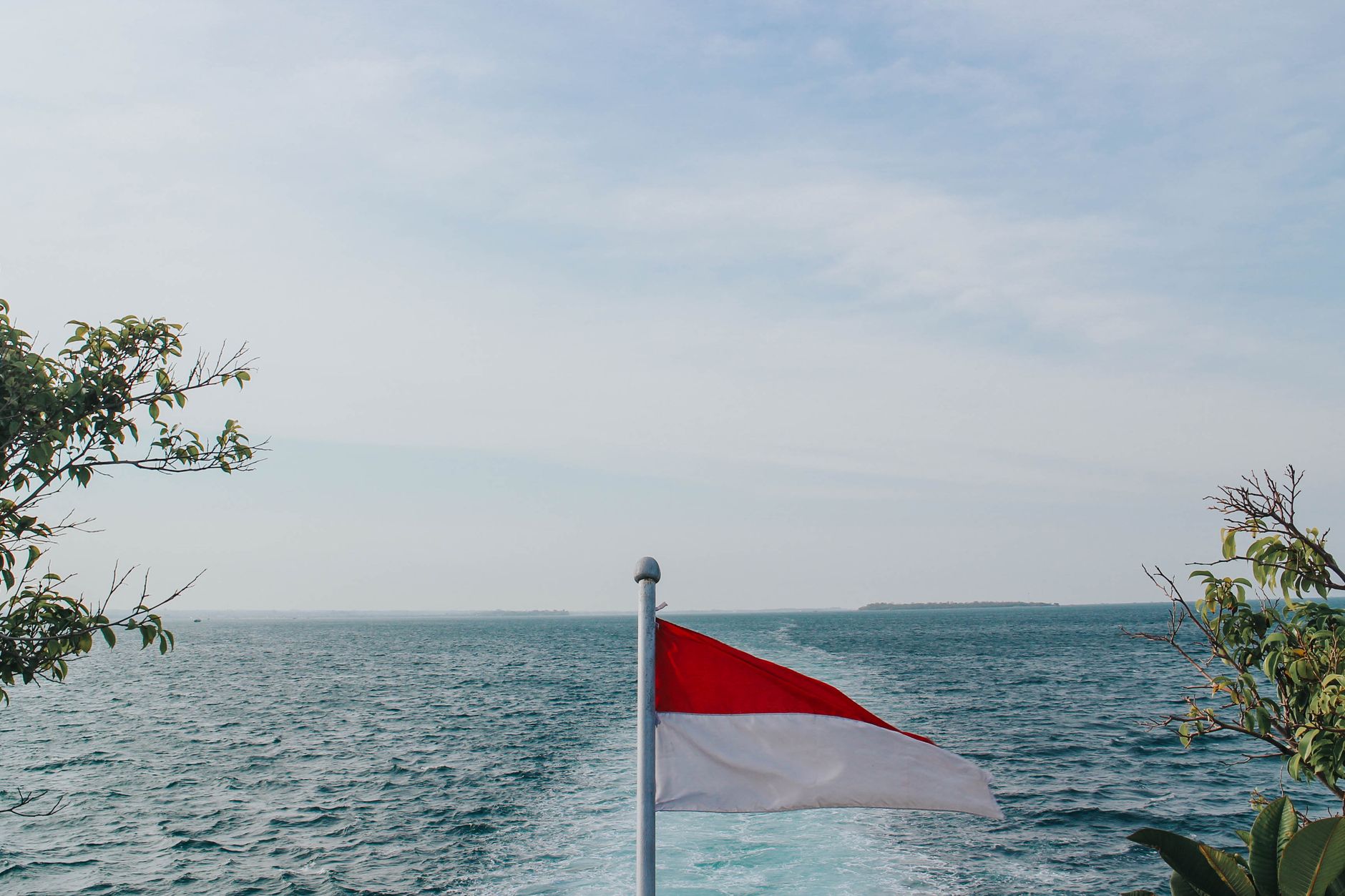
Photo by Jeffry Surianto on Pexels
Sukarno: Indonesia's Founding Father and Fallen Leader
On June 21, 1970, Sukarno, the first president of Indonesia, died under house arrest in Jakarta, a stark contrast to his once-celebrated status as the nation's founding father. Historian Robert Cribb notes that Sukarno's presidency, which spanned from 1945 to 1967, was marked by significant events, including the country's declaration of independence on August 17, 1945. Indonesian historian Herb Feith also highlights Sukarno's key role in shaping the country's early years.
What Everyone Knows
Most people think that Sukarno was a charismatic leader who played a crucial role in Indonesia's struggle for independence, but his later years were marked by authoritarianism and economic mismanagement. The standard story goes that Sukarno's presidency was a period of great upheaval, and his eventual downfall was inevitable. However, this narrative oversimplifies the complexities of Sukarno's presidency and the circumstances surrounding his death.
What History Actually Shows
Historians like M.C. Ricklefs and Robert Cribb actively challenge the common perception of Sukarno's presidency, arguing that his leadership was more nuanced than often portrayed. On August 17, 1945, Sukarno declared Indonesia's independence, and by 1949, he had successfully navigated the country through a difficult period of transition, with the help of key allies like Hatta and Sjahrir. Sukarno's presidency was marked by a significant shift towards authoritarianism, particularly after 1957, when he introduced Guided Democracy, a system that concentrated power in the hands of the president. According to Herb Feith's book "The Decline of Constitutional Democracy in Indonesia", Sukarno's Guided Democracy was a response to the country's political instability, but it ultimately led to his downfall. By 1965, Sukarno's leadership was being challenged by the military, and on March 12, 1967, he was officially removed from power, marking the beginning of his house arrest, which would last until his death on June 21, 1970. Historian Bradley R. Simpson notes that Sukarno's later years were marked by a significant decline in his health, and his death was likely accelerated by the poor conditions of his house arrest.
The Part That Got Buried
The story of Sukarno's life and death was intentionally forgotten by the New Order regime that took power after his downfall. President Suharto, who ruled Indonesia from 1967 to 1998, made a concerted effort to erase Sukarno's legacy from the country's history books. Suharto's government censored publications and restricted access to archives, making it difficult for researchers to uncover the truth about Sukarno's presidency and his eventual house arrest. The Indonesian government also manipulated the media to portray Sukarno as a power-hungry and corrupt leader, which further contributed to the suppression of his story. One concrete reason why this history was not told is that the Indonesian government destroyed many of Sukarno's personal documents and records, leaving few primary sources for historians to study. As a result, many Indonesians today are unaware of the significant role Sukarno played in the country's struggle for independence and his subsequent downfall.
The Ripple Effect
The consequences of Sukarno's death under house arrest were far-reaching and had a significant impact on Indonesian society. The New Order regime's suppression of Sukarno's legacy led to a generational gap in knowledge about the country's history, with many young Indonesians today lacking a clear understanding of their nation's founding and early years. The Suharto regime's economic policies, which emphasized foreign investment and export-oriented growth, also had a lasting impact on Indonesia's economy and society. One specific modern thing that traces directly back to this event is the ongoing debate about economic inequality in Indonesia, which can be linked to the economic policies implemented by the Suharto regime.
The Line That Says It All
Sukarno, the man who declared Indonesia's independence, died on June 21, 1970, under house arrest, his legacy all but erased from the country's official history.
A Note on Sources
This article draws on historical records, documented accounts, and academic research related to Sukarno's presidency and the early years of Indonesian independence.