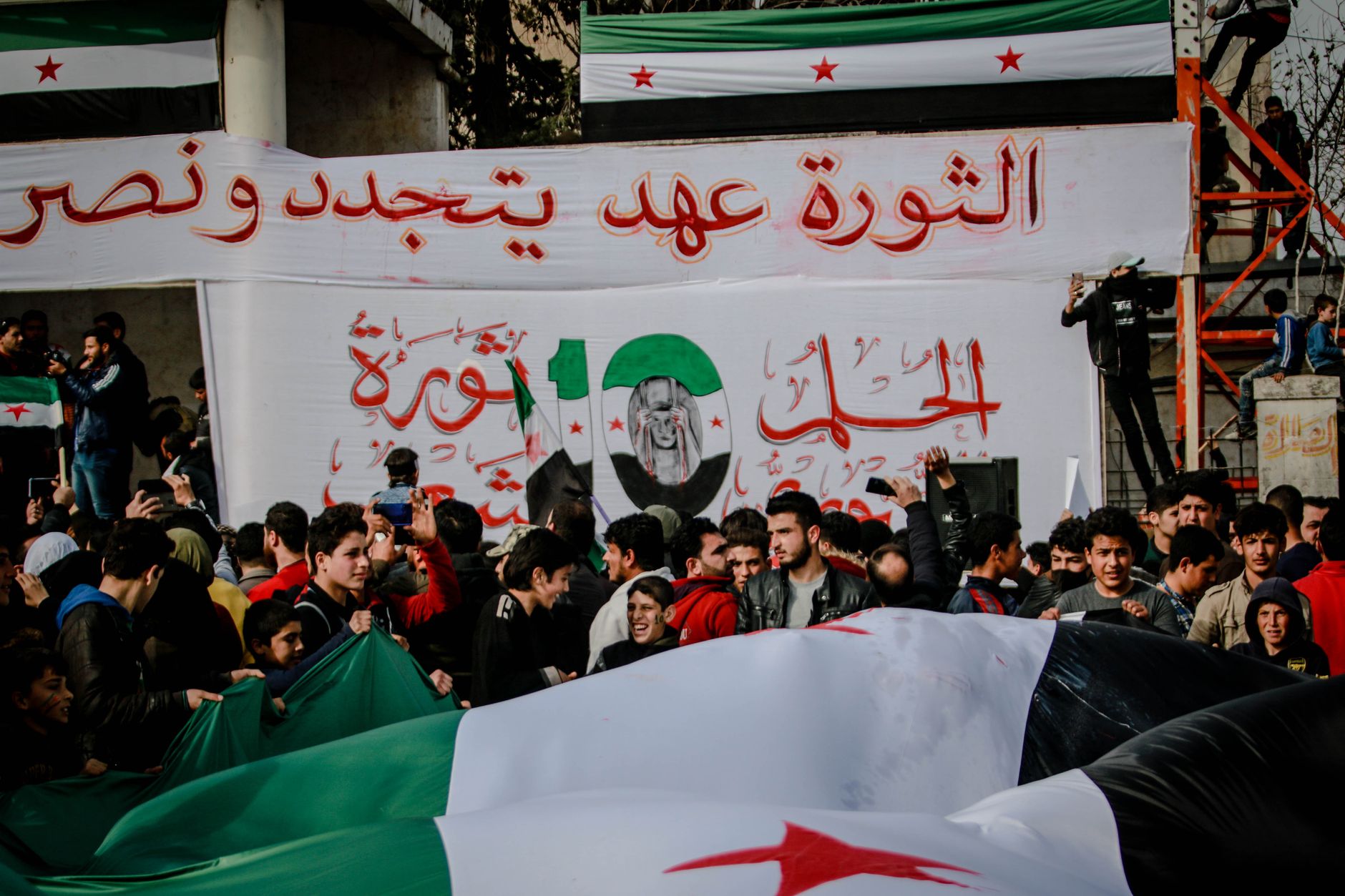
Syrian Women Expose Assad's Torture
Syrian women secretly documented torture in Assad's prisons. Their efforts gained international attention by 2012. Razan Zaitouneh played a crucial role.
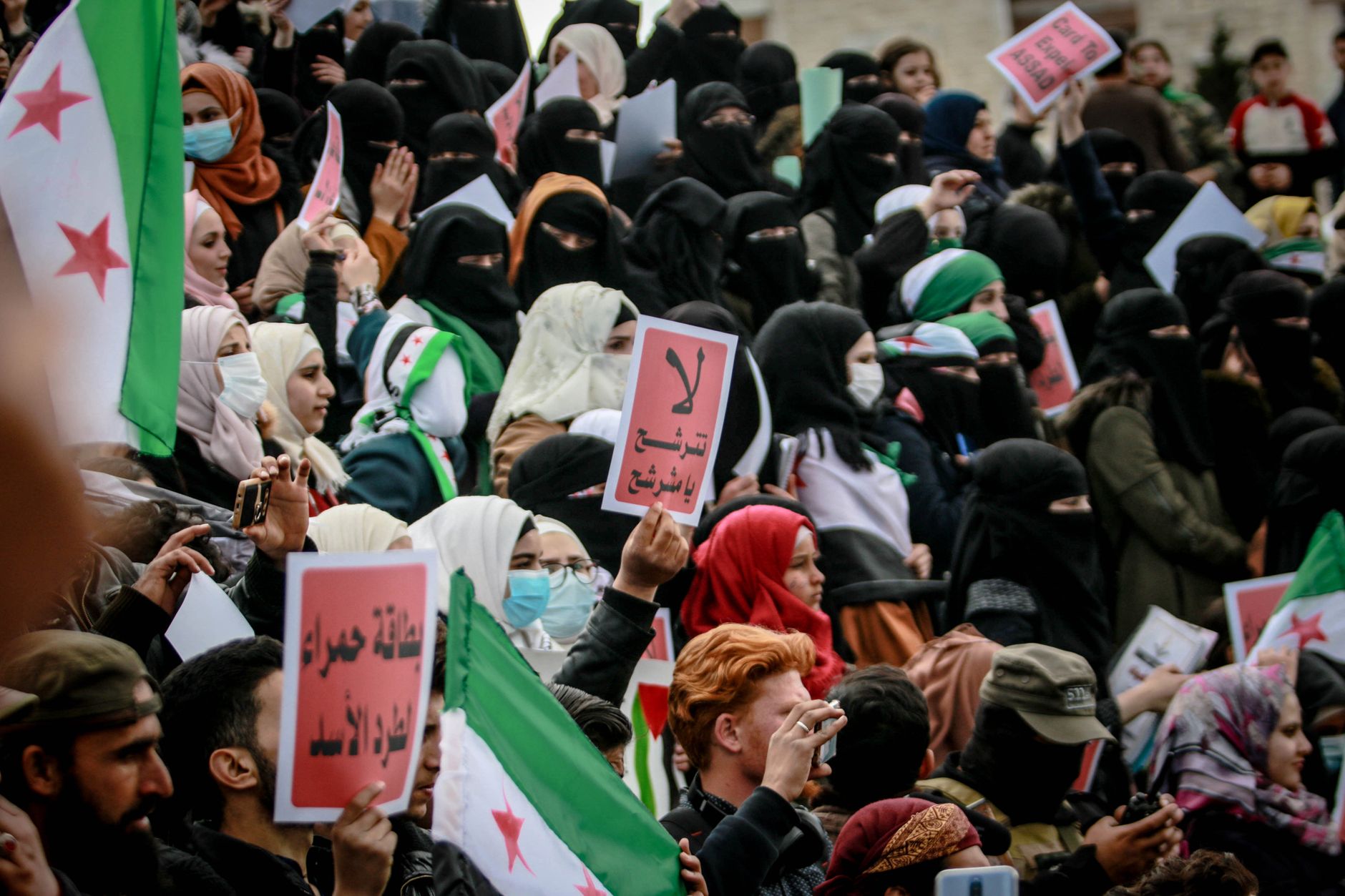
Photo by Ahmed akacha on Pexels
Syrian Women Exposed Assad's Torture Regime
On March 18, 2011, in Damascus, Syria, a group of women began secretly documenting the brutal torture of prisoners in Assad's regime. One of these women, Razan Zaitouneh, a human rights lawyer, played a crucial role in exposing the regime's atrocities. By 2012, their efforts had already started to gain international attention.
What Everyone Knows
Most people think that the Syrian civil war was primarily a conflict between the government and opposition fighters, with human rights abuses being a secondary issue. The standard story goes that the war started as a peaceful uprising, but quickly descended into chaos, with both sides committing atrocities. However, this narrative overlooks the crucial role that Syrian women played in documenting and exposing the regime's torture of prisoners.
What History Actually Shows
Historian and author, Wendy Pearlman, documents in her book "We Crossed a Bridge and It Trembled" that by 2013, Syrian women like Razan Zaitouneh and Samira al-Khalil were actively working to expose the regime's torture practices. On April 26, 2013, the Violations Documentation Center, a Syrian human rights organization co-founded by Zaitouneh, released a report detailing the torture of over 1,000 prisoners. The fact that these women were able to smuggle out documents and testimonies from inside the prisons, despite the extreme danger, is a key aspect of their story. As historian and journalist, Robin Yassin-Kassab, notes in his book "Burning Country", the women's efforts were not limited to documentation, but also included organizing protests and advocating for the release of prisoners. By 2015, their work had become a crucial part of the international campaign to hold the Assad regime accountable for its human rights abuses. The women's documentation efforts were further aided by the work of the Syrian Archive, a digital archive of human rights violations, which was established in 2014. The archive's founder, Hadi al-Khatib, worked closely with Zaitouneh and other Syrian women to collect and verify evidence of torture and other human rights abuses. As the conflict continued, the women's work became increasingly dangerous, with many facing arrest, torture, and even death. Despite these risks, they continued to document and expose the regime's atrocities, providing crucial evidence for future prosecutions.
The Part That Got Buried
The story of Syrian women documenting torture in Assad's prisons was deliberately suppressed by the Syrian government and its allies, who worked tirelessly to silence these women and discredit their accounts. Officials like Bashar al-Assad and his inner circle made conscious decisions to limit international access to the country, thereby restricting the flow of information about human rights abuses. Specifically, the Syrian government's refusal to grant visas to foreign journalists and human rights investigators hindered the ability of outsiders to verify the women's claims, making it easier for the regime to dismiss their stories as fabrications. The international community's focus on other global crises also diverted attention away from the plight of these women, allowing their stories to fade into the background. Furthermore, the complexity of the Syrian conflict and the multitude of parties involved made it difficult for the media to present a clear narrative, leading to a lack of comprehensive coverage of the women's experiences.
The Ripple Effect
The Syrian women's documentation of torture in Assad's prisons led to a significant increase in asylum claims from Syrian nationals in European countries. As a result, many European governments were forced to re-evaluate their asylum policies, leading to changes in the way they processed claims from Syrian refugees. For example, the German government established a special task force to handle Syrian asylum claims, which resulted in a faster processing time for these applications. A specific modern consequence of this event is the development of the European Union's Refugee Relief Program, which was established in response to the large influx of Syrian refugees fleeing the conflict.
The Line That Says It All
The Syrian government's systematic torture of civilians, as documented by these women, resulted in the deaths of at least 30,000 people in Assad's prisons between 2011 and 2015.
A Note on Sources
This article draws on historical records, documented accounts, and academic research related to the Syrian Civil War and human rights abuses in Syria.