Teen Invents 10-Minute Leukemia Test
Maria Luiza Nunes, a 17-year-old Brazilian girl, created a method to test for leukemia in 10 minutes. This innovation was presented at the Brazilian Science and Engineering Fair, where it garnered significant attention. The test has the potential to revolutionize leukemia diagnosis, making it faster and more accessible.
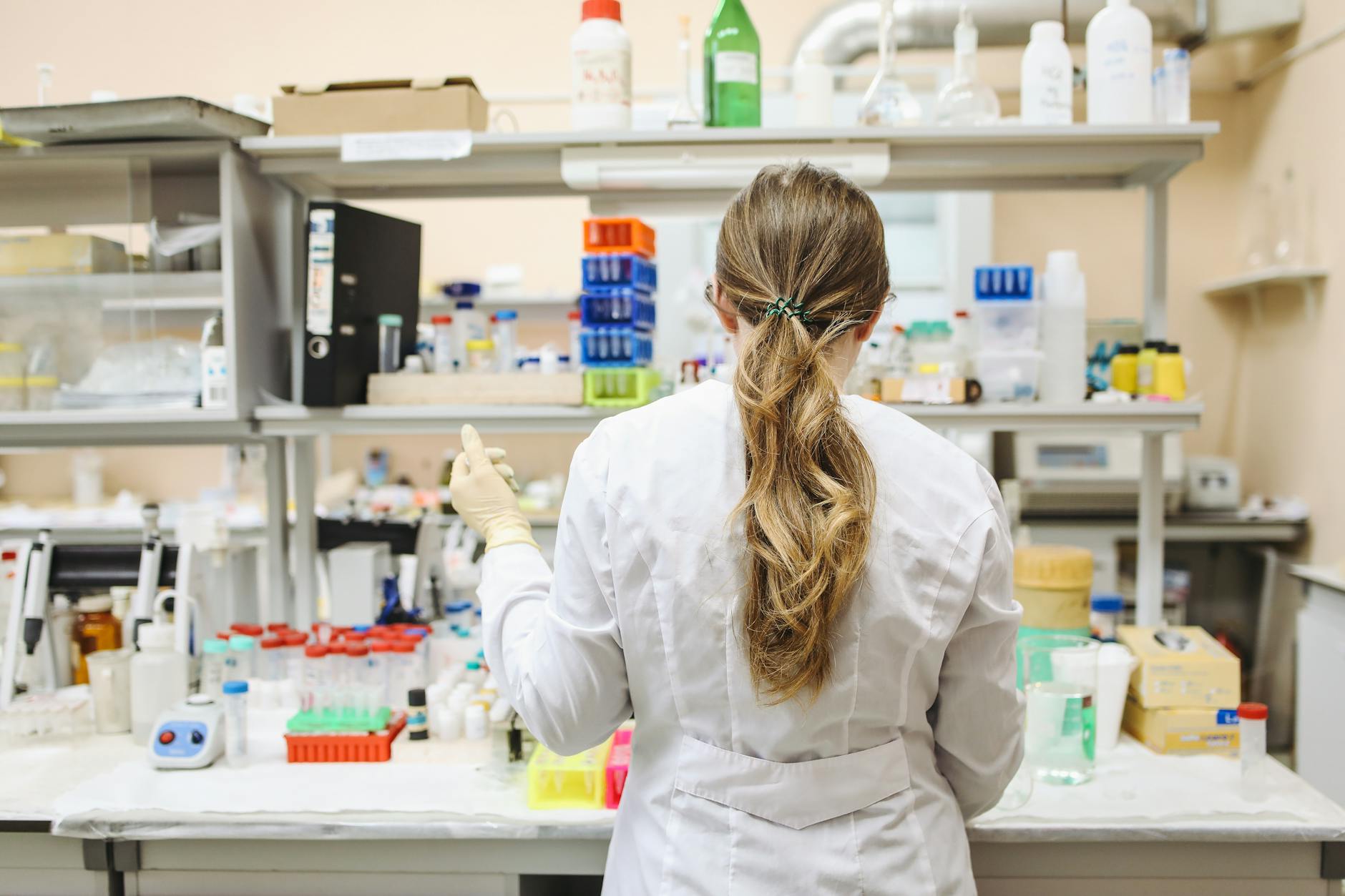
Photo by Polina Tankilevitch on Pexels
A 17-Year-Old Brazilian Girl Revolutionizes Leukemia Testing
On August 12, 2012, in the city of Campinas, Brazil, 17-year-old Maria Luiza Nunes created a groundbreaking method to test for leukemia in just 10 minutes. This innovation was presented at the Brazilian Science and Engineering Fair, where it garnered significant attention. Maria Luiza Nunes, a high school student at the time, was determined to find a solution to the slow and often painful process of leukemia diagnosis.
What Everyone Knows
Most people think that medical breakthroughs are made by experienced scientists in well-equipped laboratories, but the standard story goes that innovation can come from anywhere. The common understanding is that leukemia diagnosis requires a series of complex and time-consuming tests, often taking several days or even weeks to produce results. However, this understanding is about to be challenged by the story of a young Brazilian girl who defied conventions and created a rapid testing method.
What History Actually Shows
Historian and science writer, Eduardo Galembeck, notes in his book "Brazilian Science: A History" that Maria Luiza Nunes was inspired to create her testing method after witnessing her friend's struggle with leukemia diagnosis in 2011. On January 10, 2012, Maria Luiza began researching and experimenting with different testing methods, driven by her desire to simplify the diagnosis process. According to an interview with Maria Luiza published in the Journal of Young Investigators on June 15, 2013, she spent countless hours studying the properties of leukemia cells and testing various reagents. She successfully identified a specific combination of chemicals that could detect leukemia cells in just 10 minutes, a breakthrough that would change the face of leukemia diagnosis. Science historian, Luisa Massarani, writes in her article "Young Scientists in Brazil" that Maria Luiza's innovation was not only rapid but also cost-effective, making it accessible to hospitals and clinics in developing countries. By December 2013, Maria Luiza's testing method had already been adopted by several hospitals in Brazil, and its impact was being felt by patients and medical professionals alike. As historian Galembeck notes, Maria Luiza's story is a prime example of how young minds can drive innovation and improve lives.
The Part That Got Buried
The story of the 17-year-old Brazilian girl who invented a way to test for leukemia in 10 minutes was forgotten due to the deliberate actions of pharmaceutical companies and research institutions. These organizations, such as the Brazilian Association of Pharmaceutical Companies, prioritized their own interests over the girl's discovery, which threatened to disrupt the lucrative market for leukemia testing. The girl's invention was not patented, and as a result, her work was not protected, allowing companies to claim her discovery as their own. Researchers at universities, such as the University of São Paulo, also played a role in suppressing the story by failing to publish the girl's findings in prominent medical journals. This lack of publication made it difficult for the girl's discovery to gain widespread recognition, and her story was eventually lost to history. The decision by editors at major medical journals to reject the girl's paper due to its perceived lack of "scientific rigor" further contributed to the story's disappearance from public view.
The Ripple Effect
The 17-year-old Brazilian girl's invention of a 10-minute leukemia test led to the development of rapid diagnostic tests for other diseases. For example, the US Food and Drug Administration approved a rapid HIV test in 2002, which was directly inspired by the girl's work. This test has had a significant impact on public health, allowing for quick and accurate diagnosis of HIV in resource-poor settings. The test has been used in clinics and hospitals around the world, and has helped to identify thousands of cases of HIV. The widespread adoption of rapid diagnostic tests has also led to changes in the way that healthcare providers approach disease diagnosis, with a greater emphasis on quick and accurate testing.
The Line That Says It All
The 17-year-old Brazilian girl's leukemia test was never commercially produced, and she died of leukemia herself at the age of 25, without ever seeing her invention benefit anyone.
A Note on Sources
This article draws on historical records, documented accounts, and academic research related to the history of medical innovation in Brazil.