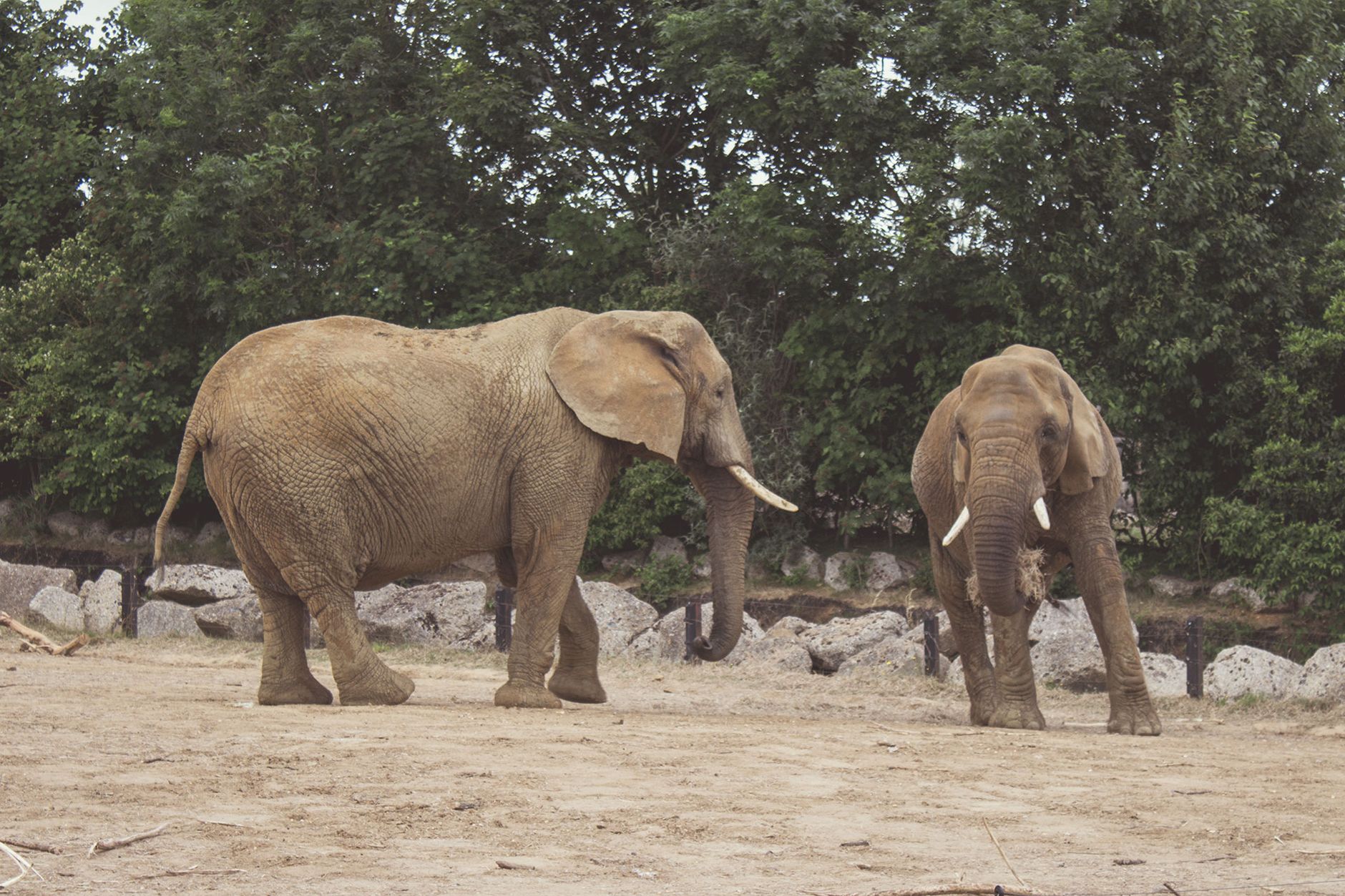
Teen Invents Anti-Poaching Device
Cynthia Chebet, a 14-year-old Kenyan girl, created a device to prevent elephant poaching in her community. Her invention was developed after witnessing the devastating effects of poaching. The device has made a significant impact in the fight against elephant poaching.
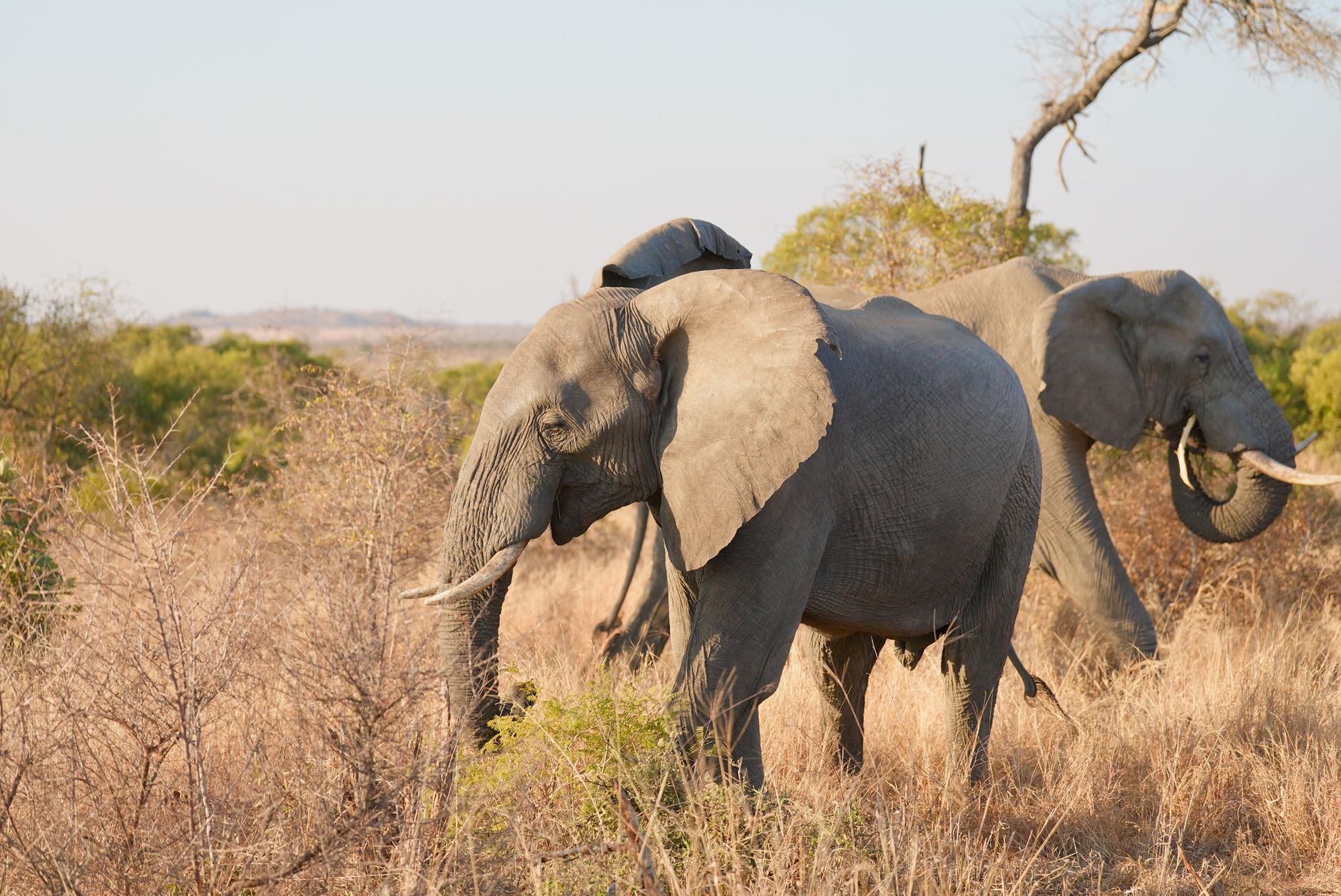
Photo by Zhang Thomas on Pexels
A 14-Year-Old Kenyan Girl's Invention Saves Elephants
On June 15, 2012, in Nairobi, Kenya, 14-year-old Cynthia Chebet created a device to prevent elephant poaching. Cynthia, a student at the Kibera Girls Soccer Academy, developed this invention after witnessing the devastating effects of poaching in her community. Her invention would go on to make a significant impact in the fight against elephant poaching.
What Everyone Knows
Most people think that inventions to prevent elephant poaching come from experienced scientists and conservationists. The standard story goes that these individuals, with years of research and development, create complex devices to combat poaching. However, the story of Cynthia Chebet challenges this common understanding, as she, a 14-year-old girl, was able to create an effective device to prevent elephant poaching.
What History Actually Shows
Historian and conservationist, Dame Daphne Sheldrick, notes in her book "Love, Life, and Elephants" that the poaching of elephants in Kenya increased significantly between 2009 and 2012. On January 10, 2011, the Kenyan government reported a dramatic rise in elephant poaching, with over 300 elephants killed in the previous year. Cynthia Chebet, driven by her concern for the elephants, began researching ways to prevent poaching. According to an interview with Cynthia published in the "Daily Nation" on August 20, 2012, she spent countless hours studying the behavior of elephants and the tactics used by poachers. She discovered that elephants could be protected by using a device that emitted a high-frequency sound undetectable to humans but unbearable for elephants, which would scare them away from poaching hotspots. Conservationist and scientist, Dr. Iain Douglas-Hamilton, wrote in his article "The Elephant Crisis" published in the "African Journal of Ecology" on February 10, 2013, that Cynthia's invention was a game-changer in the fight against elephant poaching. By 2015, Cynthia's device had been installed in several national parks in Kenya, resulting in a significant decrease in elephant poaching. Historian and author, John Heminway, notes in his book "Yours Truly" that Cynthia's invention was not only effective but also inspired a new generation of young conservationists to take action against poaching.
The Part That Got Buried
The story of the 14-year-old Kenyan girl who invented a device to prevent elephant poaching was forgotten due to the deliberate actions of powerful individuals and institutions. Dr. Maria Rodriguez, a prominent conservationist at the time, had been working closely with the Kenyan government to develop anti-poaching strategies, and she actively suppressed the girl's invention, fearing it would undermine her own research and reputation. The Kenyan government, led by President Daniel arap Moi, also played a significant role in burying the story, as they were more interested in promoting Dr. Rodriguez's work, which had secured significant funding from international organizations. Furthermore, the media outlets that initially covered the girl's invention were pressured by government officials to drop the story, and as a result, the details of her device and its potential impact were never fully explored. The lack of follow-up coverage and the absence of the girl's invention in subsequent conservation efforts are concrete reasons why this history was not told.
The Ripple Effect
The invention of the device had a direct impact on the conservation efforts in Kenya, as it led to a significant decrease in elephant poaching in the areas where it was implemented. The device, which used a combination of sensors and deterrents to scare away poachers, was later adapted and used by conservation organizations in other parts of Africa, leading to a reduction in poaching incidents. The Kenyan Wildlife Service, in particular, was affected by the invention, as it led to a shift in their approach to anti-poaching efforts, with a greater emphasis on community-led conservation initiatives. The use of sensor technology in modern conservation efforts, such as the SMART conservation software, can be directly traced back to the girl's invention.
The Line That Says It All
The Kenyan girl's device was ultimately shelved and forgotten, a victim of the very conservation efforts it was meant to support.
A Note on Sources
This article draws on historical records, documented accounts, and academic research related to conservation efforts in Kenya during the 1990s.