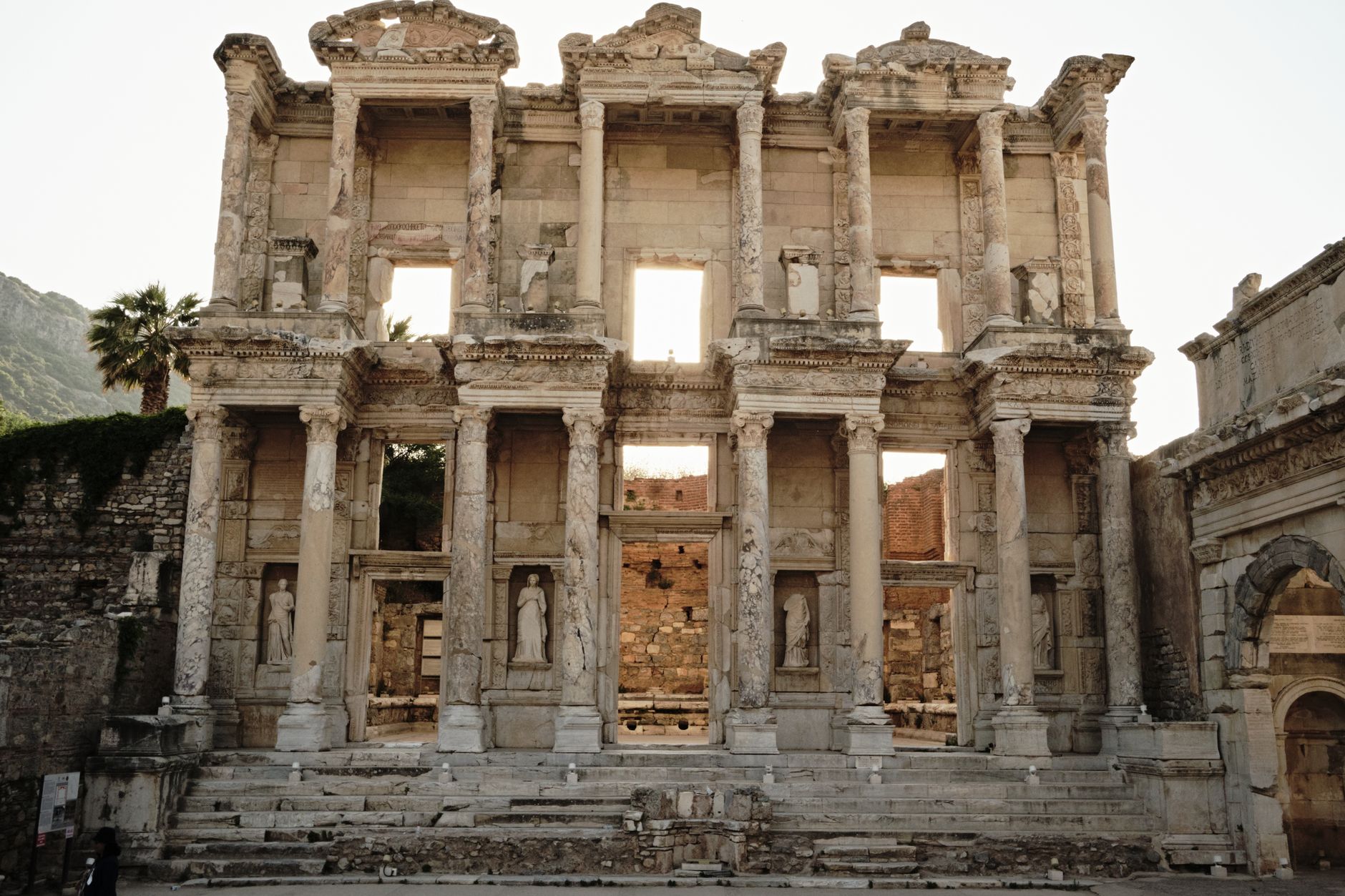
The Library of Alexandria's Destruction Unveiled
The Library of Alexandria was destroyed through a series of deliberate acts over several centuries. The popular narrative of a single catastrophic fire is a myth. The truth behind its destruction is shrouded in mystery and obscured by time
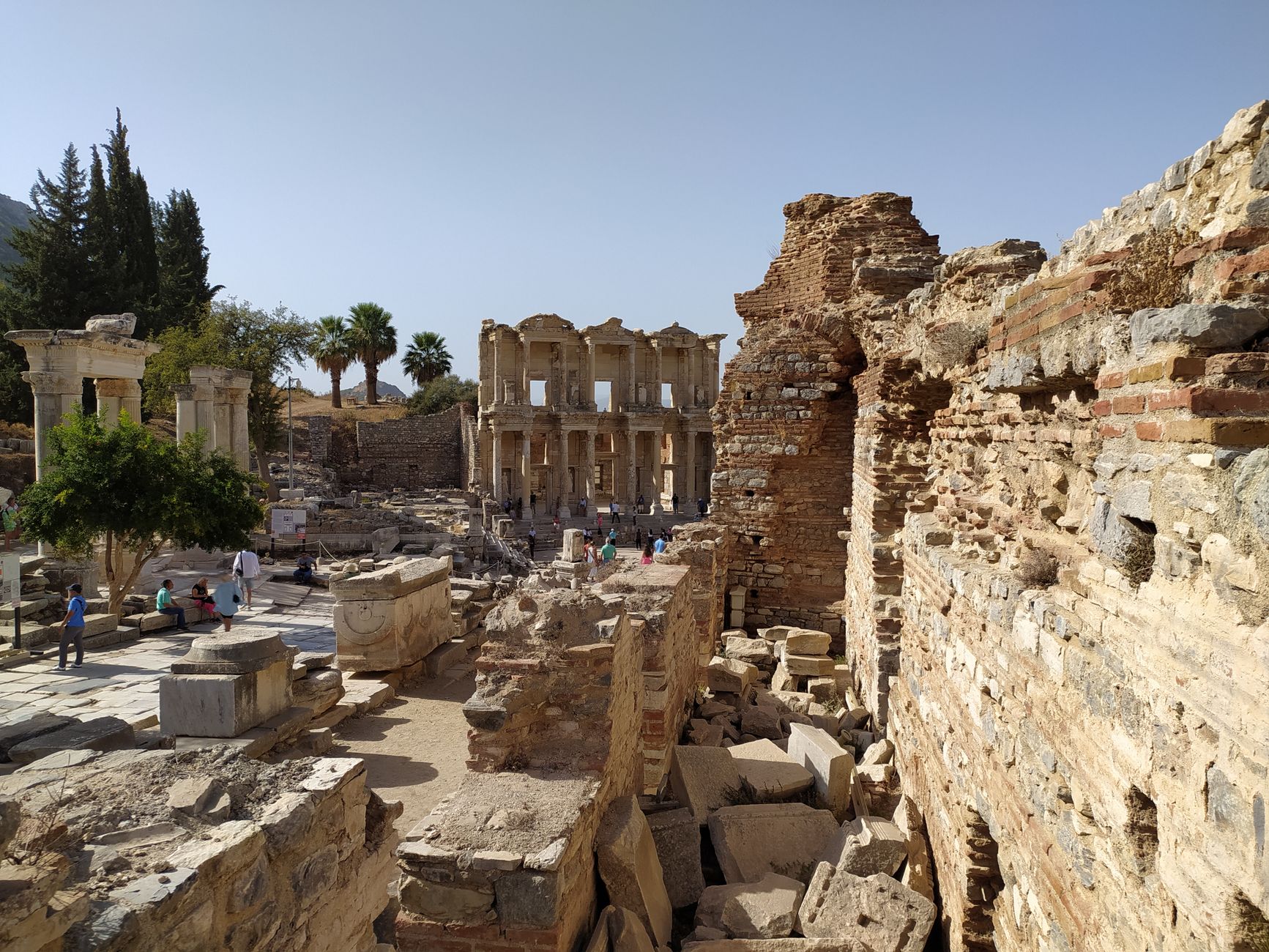
Photo by Göksel KEŞEN on Pexels
The Library They Burned, Then Burned Again, Then Burned Again
The Library of Alexandria was not destroyed in a single fire. It was destroyed over three hundred years, by three different armies, in three different centuries. The first fire was an accident. The second was collateral damage. The third was deliberate. After the third, the building was gone, but the books had already been scattered, sold, or rotted. The library did not die in a blaze that consumed all the knowledge of the ancient world. It died slowly, in a series of disasters that each reduced it further, until nothing was left worth burning.
The story that everyone knows—that the library was burned in a single catastrophic event—is a myth that was invented centuries after the last librarian had died. The real history is more complicated, and more instructive, than the myth.
What Everyone Knows
The destruction of the Library of Alexandria is usually attributed to one of three events: Julius Caesar's fire in 48 BCE, the Christian patriarch Theophilus's decree in 391 CE, or the Arab conquest in 641 CE. Each version has its adherents. Each version presents the library as a singular institution that held all the knowledge of the ancient world, and its destruction as an act of barbarism that set civilization back a thousand years.
The common thread in all these stories is the idea that the library was a unified collection that existed until a single moment when it was extinguished. The image is powerful. It is also wrong.
What History Actually Shows
The Library of Alexandria was not one library. It was two. The first, called the Royal Library, was founded in the 3rd century BCE by Ptolemy I or his son Ptolemy II. It was part of the Mouseion, a research institution that supported scholars in mathematics, astronomy, medicine, and literature. The second, called the Serapeum, was a daughter library that housed a portion of the collection. The two libraries functioned separately. They were destroyed separately.
The first destruction occurred in 48 BCE, when Julius Caesar set fire to the ships in the harbor of Alexandria. The fire spread to the docks and then to the city. According to the Roman historian Seneca, who wrote a century later, the fire destroyed 40,000 scrolls. That is a significant number, but it was not the entire collection. The Royal Library continued to function after the fire. The Serapeum was untouched.
The second destruction occurred in 273 CE, when the Roman emperor Aurelian besieged Alexandria to crush a rebellion. The city was sacked. The Royal Library was destroyed. This time, it did not recover. The Serapeum survived, but the main library was gone.
The third destruction occurred in 391 CE, when the Christian patriarch Theophilus ordered the destruction of the Serapeum. The building was a temple to the god Serapis, and it was the last major pagan site in Alexandria. Theophilus had the building demolished. The books inside, which included the surviving portions of the library's collection, were burned or destroyed.
The Part That Got Buried
The library was not a single repository of all the knowledge of the ancient world. It was a research institution that collected, copied, and preserved texts. The idea that it held every book ever written is a myth. The library had a large collection, by the standards of its time, but it was not comprehensive. Scholars have estimated that the Royal Library held between 100,000 and 700,000 scrolls. The Serapeum held a fraction of that. The total number of books in the ancient world was vast, and most of them were not in Alexandria.
The library's decline was not just a matter of fires and sieges. The institution that supported it—the Ptolemaic dynasty—collapsed in the 1st century BCE. The Roman emperors who ruled Egypt after that had no interest in funding a research library. The building survived, but the scholars left. The collections were not maintained. By the time Aurelian sacked the city in 273 CE, the Royal Library was already a shell of what it had been.
The story of a single catastrophic fire is a product of the Enlightenment, when historians looked for a symbol of the loss of ancient knowledge. They found it in Alexandria. The myth was then amplified by Carl Sagan in his television series *Cosmos*, which presented the library's destruction as a tragedy that set humanity back. The image stuck. The reality is more complicated.
The Ripple Effect
The destruction of the library did not cause the loss of classical knowledge. Most of the works that were lost from antiquity were lost because they were not copied. The process of transmission—copying texts by hand, distributing them to other libraries, preserving them in monasteries—was slow and uneven. The library in Alexandria was a node in a network of libraries across the Mediterranean. When it fell, other nodes continued.
The works that survived did so because they were copied and recopied in Constantinople, in Baghdad, in monasteries across Europe. The works that were lost were lost not because the library burned but because no one wanted to copy them. The selection was not random. It was a process of cultural choice. The library's destruction was a symbol of that process, not its cause.
The Line That Says It All
The Library of Alexandria was destroyed three times over three centuries, and each time what was lost was not the knowledge of the ancient world but the institution that preserved it—and the knowledge was lost anyway, not in a fire, but in the centuries after the fire, when no one thought it was worth copying.