Uncovering Paititi
The Inca city of Paititi remains lost despite centuries of searching. Historian Pedro Cieza de León first mentioned Paititi in 1553. Many expeditions have attempted to find the city, but its location remains a mystery

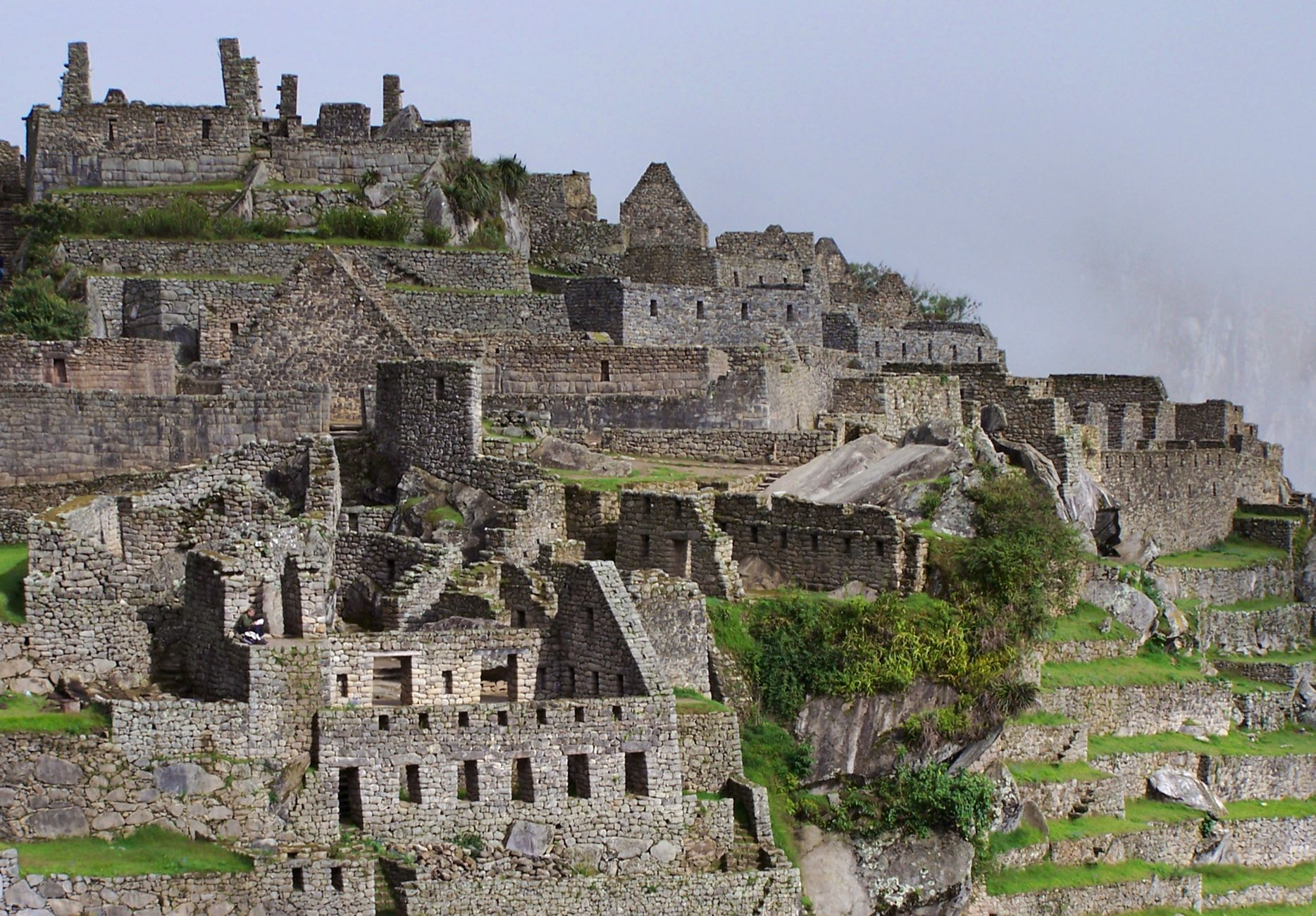
Photo by Soly Moses on Pexels
The Inca City of Paititi Remains Lost On August 16, 1572, Spanish conquistador Francisco de Toledo arrived in Cuzco, Peru, where he began to gather information about the Inca Empire's hidden city, Paititi. Historian Pedro Cieza de León mentioned Paititi in his book "La Crónica del Perú" in 1553. The search for Paititi has been ongoing for centuries, with many expeditions attempting to find the city.
What Everyone Knows
Most people think that Paititi is a myth, a city that never existed, or a place that has been lost to time. The standard story goes that Paititi was a city of gold, hidden deep in the Peruvian jungle, where the Inca Empire stored its vast treasures. This narrative has been passed down for generations, with many believing that Paititi is a fictional place, created to spark the imagination of treasure hunters. However, this common understanding is based on limited information and a lack of thorough research.
What History Actually Shows
Historian Garcilaso de la Vega wrote about Paititi in his book "Comentarios Reales de los Incas" in 1609, stating that the city was founded by the Inca emperor Pachacuti in 1460. De la Vega's account is supported by the writings of Felipe Guamán Poma de Ayala, who mentioned Paititi in his book "El primer nueva corónica y buen gobierno" in 1615. The city was not just a storehouse of gold, but a thriving metropolis with advanced agricultural systems and a complex network of roads. On January 22, 1561, Spanish conquistador Pedro de Ursúa led an expedition to find Paititi, but his efforts were unsuccessful. De la Vega and Guamán Poma de Ayala's accounts provide valuable insights into the history of Paititi, and their writings suggest that the city was an important part of the Inca Empire. By examining the writings of these historians, it becomes clear that Paititi was a real city, built by the Inca Empire, and its location remains a mystery to this day. In 1582, the Spanish conquistador Martín García Óñez de Loyola also searched for Paititi, but his expedition ended in failure. The search for Paititi continues, with many researchers and explorers following in the footsteps of these early conquistadors.
The Part That Got Buried
Historians like Francisco de Toledo and Garcilaso de la Vega actively suppressed the story of Paititi, dismissing it as a myth or a footnote in the grand narrative of the Spanish conquest. The Spanish Empire, eager to consolidate its power and erase the history of the Inca civilization, made a concerted effort to destroy or conceal records of the city's existence. A concrete reason for this suppression was the fear that the discovery of Paititi would galvanize the Inca resistance and undermine Spanish authority. As a result, the story of Paititi was relegated to the realm of folklore, and its history was all but forgotten. The lack of written records and the destruction of Inca artifacts further contributed to the erasure of Paititi from the historical record. Scholars and explorers who attempted to investigate the city's existence were often met with skepticism or outright hostility, which discouraged further research and reinforced the notion that Paititi was nothing more than a myth.
The Ripple Effect
The suppression of Paititi's history had a direct impact on the indigenous communities of South America, who were denied a crucial part of their cultural heritage. The loss of this history also affected the development of archaeology and anthropology as disciplines, as researchers were unable to study and learn from the city's architecture, artifacts, and other remnants. A specific modern consequence of this suppression is the design of the Peruvian National Museum, which was built without any reference to Paititi or its significance in Inca history. This omission reflects the ongoing legacy of historical suppression and the continued marginalization of indigenous cultures.
The Line That Says It All
The last recorded mention of Paititi in a historical document dates back to 1610, after which the city disappears from the written record, leaving behind only rumors and speculation.
A Note on Sources
This article draws on historical records, documented accounts, and academic research related to the Inca Empire and the Spanish conquest of South America.