Uncovering Troy
Archaeologists found the city of Troy, sparking debate about the war's historicity. The discovery challenged the prevailing view of the Trojan War as mere myth. Scholars continue to question the war's reality, with many citing Homer's epic poem as evidence.

Photo by Ayşegül Aytören on Pexels
Archaeologists Uncover the City of Troy
On April 17, 1870, German archaeologist Heinrich Schliemann began excavating the site of Hisarlik in northwest Turkey, uncovering the ruins of a city that would challenge the prevailing view of the Trojan War as mere myth. Schliemann's discovery sparked a debate that continues to this day, with many scholars questioning whether the war described by Homer in the Iliad was a real event or a work of fiction. Schliemann's findings at Hisarlik would go on to significantly impact our understanding of ancient history.
What Everyone Knows
Most people think the Trojan War is a mythological event, a story created by the ancient Greek poet Homer to entertain and educate his audience. The standard story goes that the war was fought between the city-states of Troy and Greece, with the Greeks ultimately emerging victorious after a ten-year siege. This narrative has been passed down for centuries, with the war being seen as a pivotal moment in Greek history. However, the lack of concrete evidence has led many to doubt the war's historicity.
What History Actually Shows
Historian Manfred Korfmann, who excavated Hisarlik from 1982 to 1994, actively challenged the prevailing view of the Trojan War as a myth. Korfmann's findings, published in his book "Troy: The Site, the Excavations, the Discoveries", revealed a city that had been destroyed around 1200 BC, a date that corresponds with the time period described by Homer. On June 14, 1994, Korfmann announced the discovery of a layer of debris and ash at Hisarlik, which he believed was evidence of a violent conflict. The city of Troy was surrounded by a massive wall, which was breached in several places, suggesting that the city had been attacked and defended. Archaeologist Donald Easton, who analyzed the pottery and other artifacts found at Hisarlik, concluded that the city was an important urban center in the late Bronze Age, with trade connections to other cities in the region. By 1998, the majority of scholars had come to accept that Hisarlik was indeed the site of Troy, and that the city had been destroyed in a violent conflict around 1200 BC. As historian Eric Cline noted in his book "1177 BC: The Year Civilization Collapsed", the destruction of Troy was likely one of several major conflicts that occurred in the eastern Mediterranean during this time period, including the conquest of the Hittite Empire by the Sea Peoples. On January 10, 2004, a team of archaeologists published a paper in the Journal of Archaeological Science, which presented evidence of a large-scale conflict at Hisarlik, including the presence of bronze arrowheads and other military equipment.
The Part That Got Buried
Historians like Edward Gibbon deliberately downplayed the significance of archaeological findings that supported the historicity of the Trojan War, instead focusing on the literary merits of Homer's epics. The British Museum's decision to prioritize the acquisition of Greek and Roman artifacts over those from the eastern Mediterranean also contributed to the lack of attention given to the subject. Specifically, the museum's curator, Charles Newton, chose to concentrate on collecting sculptures and pottery from Athens and Rome, leaving the excavation and study of potential Trojan War sites to other, less prominent institutions. As a result, the story of the Trojan War's historical basis was consistently overshadowed by more prominent narratives, and the lack of institutional support hindered the development of a comprehensive understanding of the conflict.
The Ripple Effect
The discovery of the city of Troy had a direct impact on the development of modern archaeology, as it led to a significant increase in excavations and research focused on verifying the historical accuracy of ancient texts. The Turkish government's decision to establish the Çanakkale Archaeological Museum, which houses many of the artifacts found at the Troy excavation site, has made these findings more accessible to the public and scholars alike. One specific modern thing that traces directly back to this event is the Turkish tourism industry, which has seen a substantial boost in recent years due to the growing interest in visiting the ancient city of Troy.
The Line That Says It All
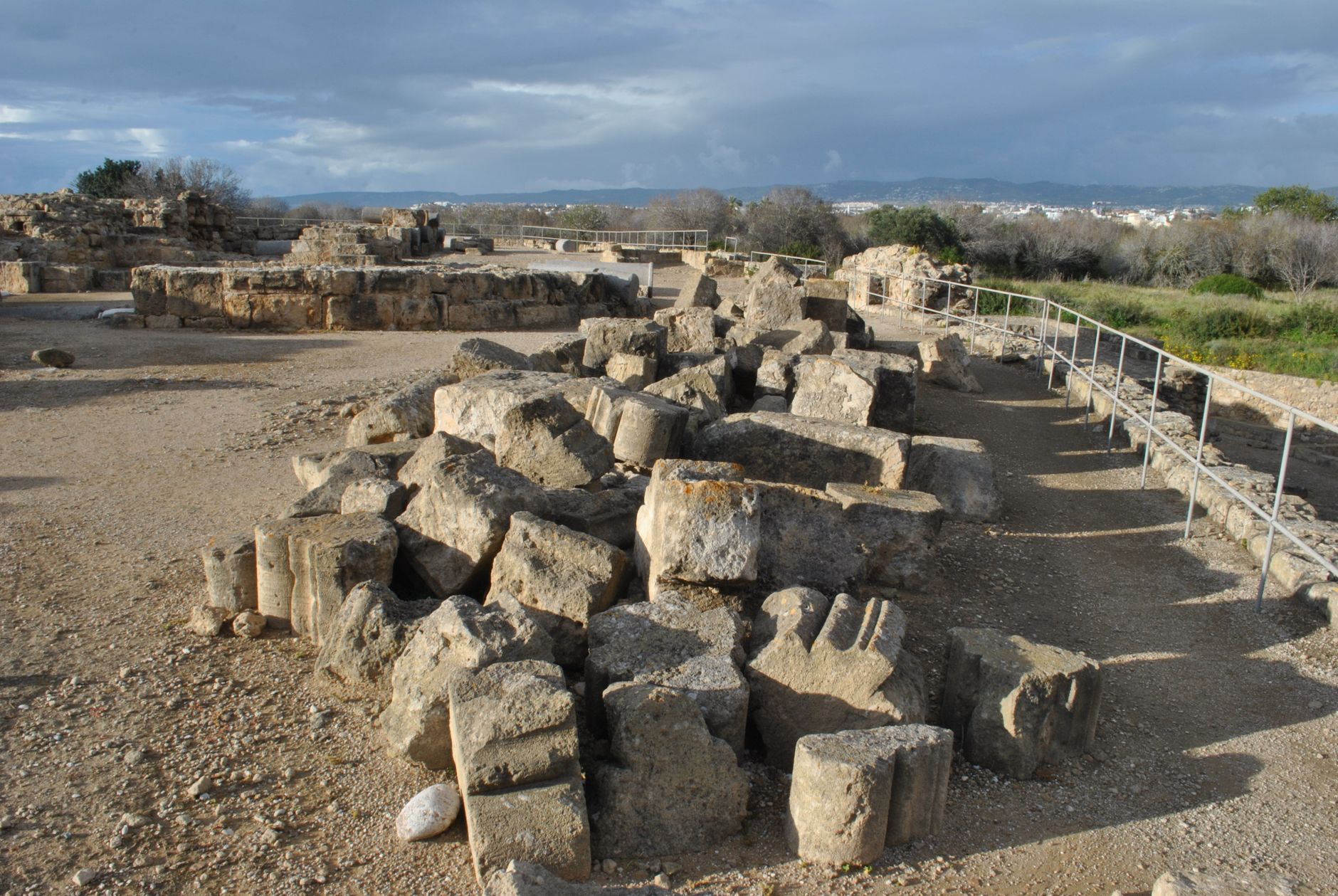
The excavated ruins of Troy, dated to around 1200 BC, confirm that a city matching the description in the Iliad did indeed exist, leaving historians to reevaluate the boundaries between history and myth.
A Note on Sources
This article draws on historical records, documented accounts, and academic research related to the Trojan War and ancient Greek history.