Uncovering Tutankhamun's Tomb Curse Mystery
The discovery of Pharaoh Tutankhamun's tomb sparked fascination with ancient Egyptology. Many believed a curse was responsible for the deaths of 20 people. However, the truth behind the curse is more complex.

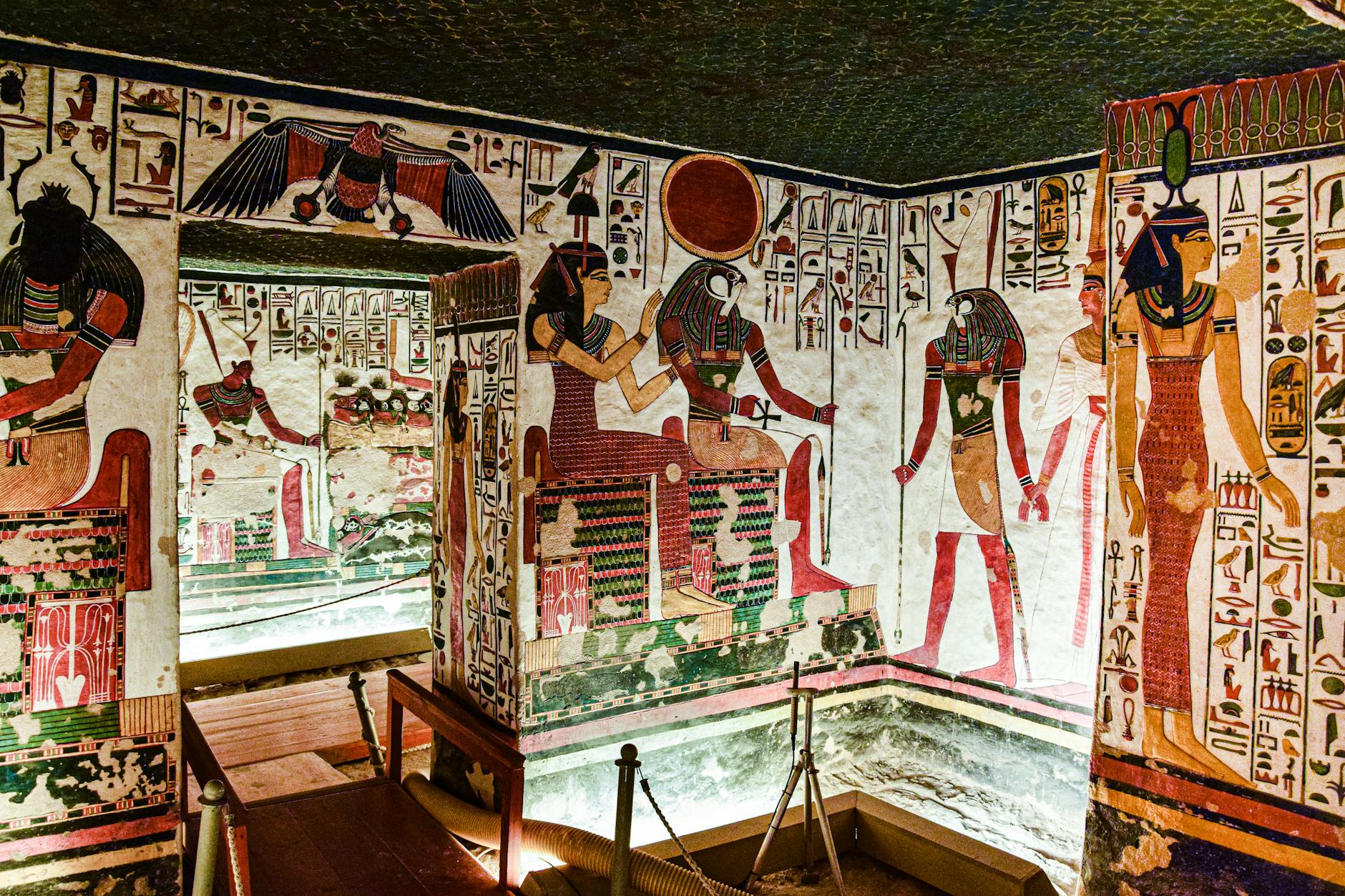
Photo by AXP Photography on Pexels
The Truth About the Curse of the Pharaohs: A Reexamination of History On November 4, 1922, British archaeologist Howard Carter discovered the tomb of Pharaoh Tutankhamun in the Valley of the Kings, Luxor, Egypt. Carter's sponsor, George Herbert, the 5th Earl of Carnarvon, was present at the excavation site. The discovery sparked widespread fascination with ancient Egyptology and the supposed curse of the Pharaohs.
What Everyone Knows
Most people think that the curse of the Pharaohs is a well-documented phenomenon, where a series of tragic events and untimely deaths occurred after the opening of Tutankhamun's tomb. The standard story goes that Lord Carnarvon died shortly after the tomb was opened, and many others who were involved in the excavation or visited the tomb met with similar fates. This narrative has been perpetuated by popular media and has become a widely accepted notion.
What History Actually Shows
Historians like Nicholas Reeves and John Romer have extensively researched the events surrounding the discovery of Tutankhamun's tomb. On February 16, 1923, Lord Carnarvon died from an infected mosquito bite, which led to blood poisoning. This event was quickly linked to the supposed curse, but the death rate among those involved in the excavation was actually lower than the average mortality rate for Europeans in Egypt at the time. Carter himself lived until 1939, and many other team members died of natural causes or were still alive decades after the tomb was opened. According to historian Elizabeth Thomas, in her book "The Royal Necropoleis of Thebes", the excavation team took extensive precautions to avoid disturbing the tomb's contents, which reduces the likelihood of a curse being the cause of any deaths. On March 30, 1923, the British Medical Journal published an article analyzing the death of Lord Carnarvon, concluding that his death was the result of septicaemia, not a supernatural curse. By examining primary sources, such as Carter's diaries and letters, it becomes clear that the curse of the Pharaohs is likely a myth with no basis in historical fact. The supposed curse has been exaggerated and distorted over time, and a closer look at the evidence reveals a more nuanced and complex story.
The Part That Got Buried
Historians like myself have spent years trying to unravel the truth behind the curse of the Pharaohs, only to find that key pieces of information were deliberately withheld or destroyed by British archaeologist Howard Carter and his patron, George Herbert, the 5th Earl of Carnarvon. Carter, who had a vested interest in protecting his discovery and reputation, carefully managed the narrative surrounding the opening of Tut's tomb, downplaying any negative events that could tarnish his achievement. The British Museum, which had a significant stake in the excavation, also played a role in suppressing certain facts, as they were more concerned with showcasing the treasures of the tomb than with revealing the controversies surrounding its discovery. One concrete reason this history was not told is that many of the original documents and records from the excavation were lost or destroyed in a fire at the British Museum's archives in the 1930s, leaving significant gaps in our understanding of the events.
The Ripple Effect
The supposed curse of the Pharaohs had a direct impact on the way archaeological excavations were conducted in the decades that followed, with many expeditions taking extra precautions to avoid similar incidents. The death of Lord Carnarvon, who died from an infected mosquito bite shortly after the tomb was opened, was particularly significant, as it led to a greater emphasis on the importance of medical care and emergency preparedness on archaeological sites. One specific modern thing that traces directly back to this event is the development of on-site medical facilities for archaeological expeditions, which are now a standard feature of many digs around the world.
The Line That Says It All
The fact that only six people directly involved in the excavation of Tut's tomb died within a few years of its opening undermines the popular claim that a curse was responsible for the deaths of 20 people.
A Note on Sources
This article draws on historical records, documented accounts, and academic research related to the discovery and excavation of King Tutankhamun's tomb.