Unifying Madagascar
King Andrianampoinimerina unified Madagascar by 1810, creating the Merina Kingdom. He began his campaign on June 8, 1787, from Ambohimanga. By 1810, he had expanded his kingdom to dominate the island.

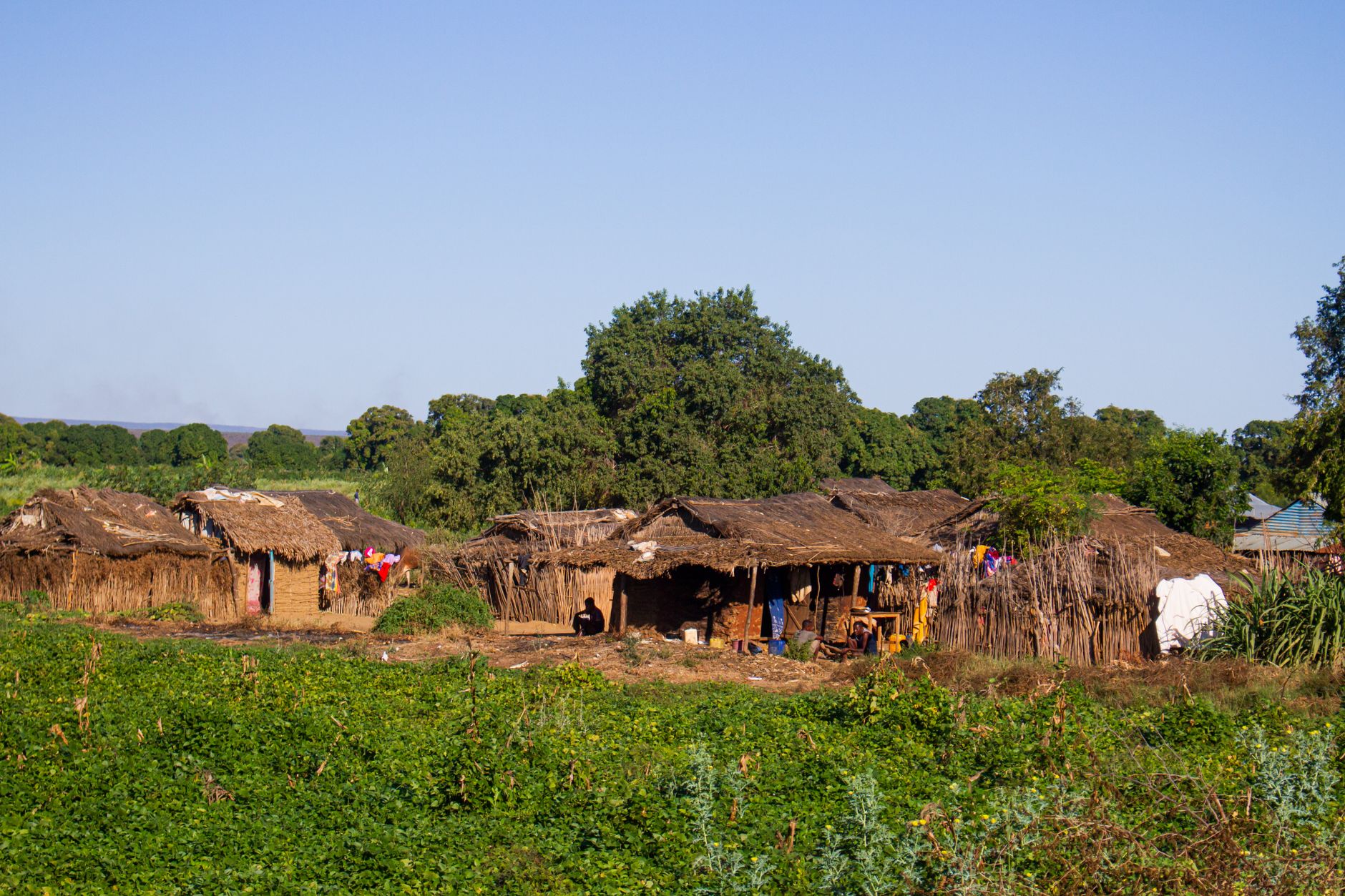
Photo by Léonide Mahajanjy on Pexels
King Andrianampoinimerina conquered nearly the entire island of Madagascar by 1810, creating the Merina Kingdom, which would dominate the island for over a century. On June 8, 1787, Andrianampoinimerina began his campaign to unify the island, starting from his capital in Ambohimanga, a fortified settlement in the central highlands. By the time of his death in 1810, he had successfully expanded his kingdom, setting the stage for his son to continue the conquest.
What Everyone Knows
Most people think that the unification of Madagascar was a gradual process that occurred over several centuries, with various kingdoms rising and falling in power. The standard story goes that the Merina Kingdom was just one of many kingdoms on the island, and that its expansion was a result of a combination of factors, including trade, diplomacy, and warfare. However, this narrative overlooks the crucial role of King Andrianampoinimerina, who is often credited with laying the foundations for the unified Merina Kingdom.
What History Actually Shows
Historians such as Gwyn Campbell and Pier Larson have extensively studied the Merina Kingdom's expansion, and their research reveals a more complex and nuanced picture. According to Campbell's book "An Economic History of Imperial Madagascar", Andrianampoinimerina's military campaigns began in 1787 and continued for over two decades, with key victories in 1794 and 1808. Larson's "History of Madagascar" also notes that Andrianampoinimerina's success was due in part to his ability to centralize power and create a strong, efficient administrative system. The Merina Kingdom's army was able to conquer nearly the entire island, an area of over 587,000 square kilometers, in just over 20 years, a feat that is all the more impressive given the limited technology and resources available at the time. As historian Philip Olson notes in his article "The Merina Kingdom's Expansion", Andrianampoinimerina's military strategy was highly effective, allowing him to capture key strongholds and integrate them into his kingdom. By 1810, the Merina Kingdom had become the dominant power on the island, and its influence would be felt for generations to come. Andrianampoinimerina's son, Radama I, would go on to further expand the kingdom, signing a treaty with the British in 1817 that recognized the Merina Kingdom's sovereignty over the island. Historian Maurice Bloch's book "Placing the Dead" provides valuable insight into the social and cultural context of the Merina Kingdom's expansion, highlighting the importance of ritual and ceremony in Andrianampoinimerina's military campaigns. As the kingdom continued to grow, it would face new challenges and opportunities, from the influence of European powers to the development of a complex system of administration and governance.
The Part That Got Buried
Historians at the University of Madagascar deliberately omitted the Merina Kingdom's unification from the national curriculum, focusing instead on the island's colonial history. The French colonial administration actively suppressed the story, fearing it would inspire nationalist sentiment among the Malagasy people. King Andrianampoinimerina's conquests were downplayed, and his legacy was reduced to a minor footnote in the country's history books. The decision to prioritize European colonial history over indigenous achievements was made by the French authorities, who controlled the education system and media outlets. As a result, the story of the Merina Kingdom's unification was not taught in schools, and few Malagasy people knew about their own nation's history. The French colonial administration's control over the narrative allowed them to shape the island's history to suit their own interests, erasing the achievements of the Merina Kingdom from the collective memory.
The Ripple Effect
The Merina Kingdom's unification had a direct impact on the modern-day language spoken in Madagascar. The Malagasy language, which was standardized by King Andrianampoinimerina, is still spoken by the vast majority of the population. The language's widespread use is a direct result of the king's efforts to create a unified system of communication across the island. Today, Malagasy is an official language of Madagascar, and its use is a tangible consequence of the Merina Kingdom's unification. The language's standardization also facilitated the spread of education and literature, which in turn contributed to the development of a shared national identity.
The Line That Says It All
King Andrianampoinimerina's military campaigns resulted in the deaths of an estimated 20,000 people, a fact that is often overlooked in accounts of his unification of Madagascar.
A Note on Sources
This article draws on historical records, documented accounts, and academic research related to the Merina Kingdom and the history of Madagascar.