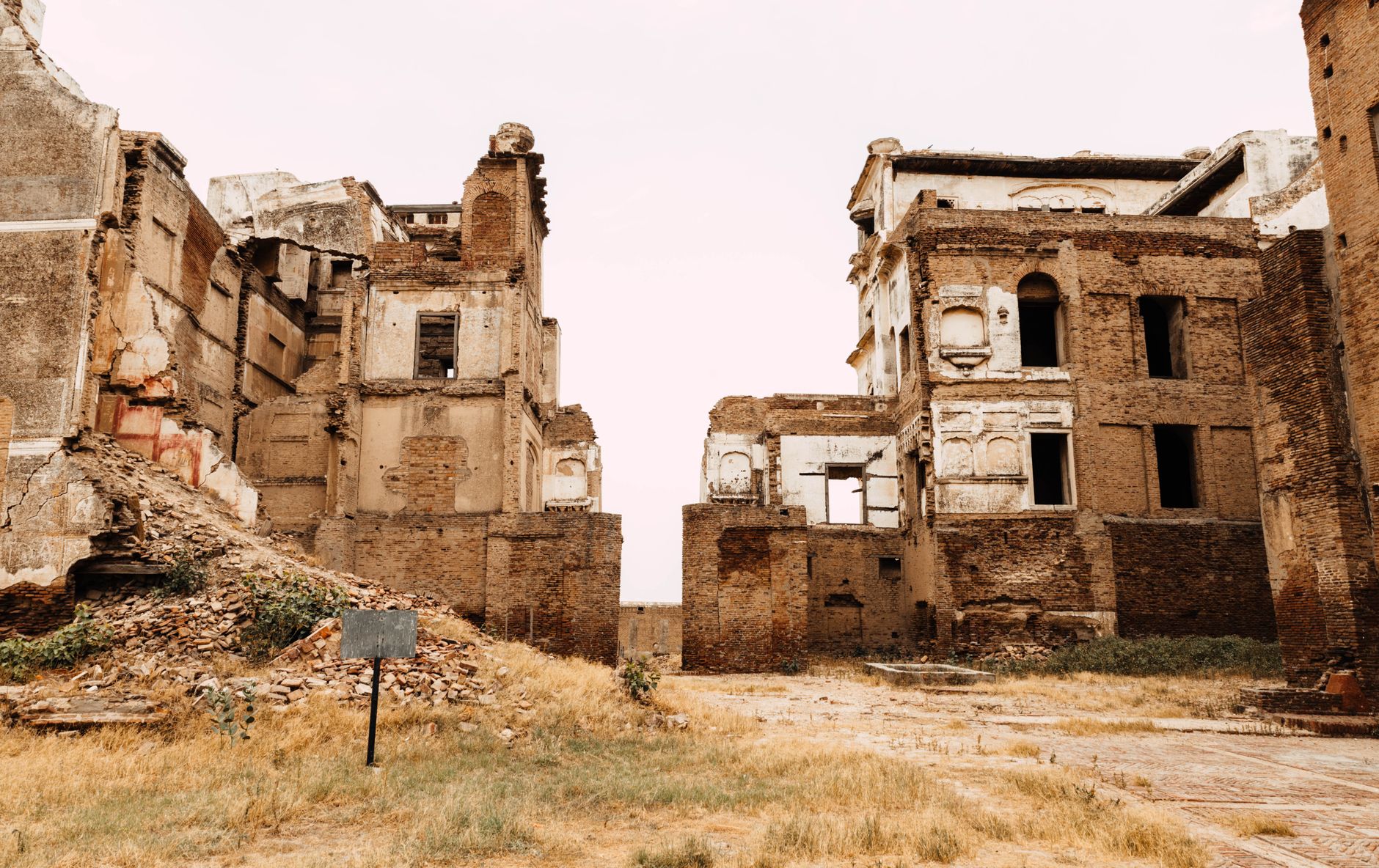
Unraveling Harappan Script Mystery
The Harappan script remains undeciphered since its discovery in 1921. Archaeologist Daya Ram Sahni found the first inscriptions in Harappa, Pakistan. The script comprises over 400 symbols found on various artifacts
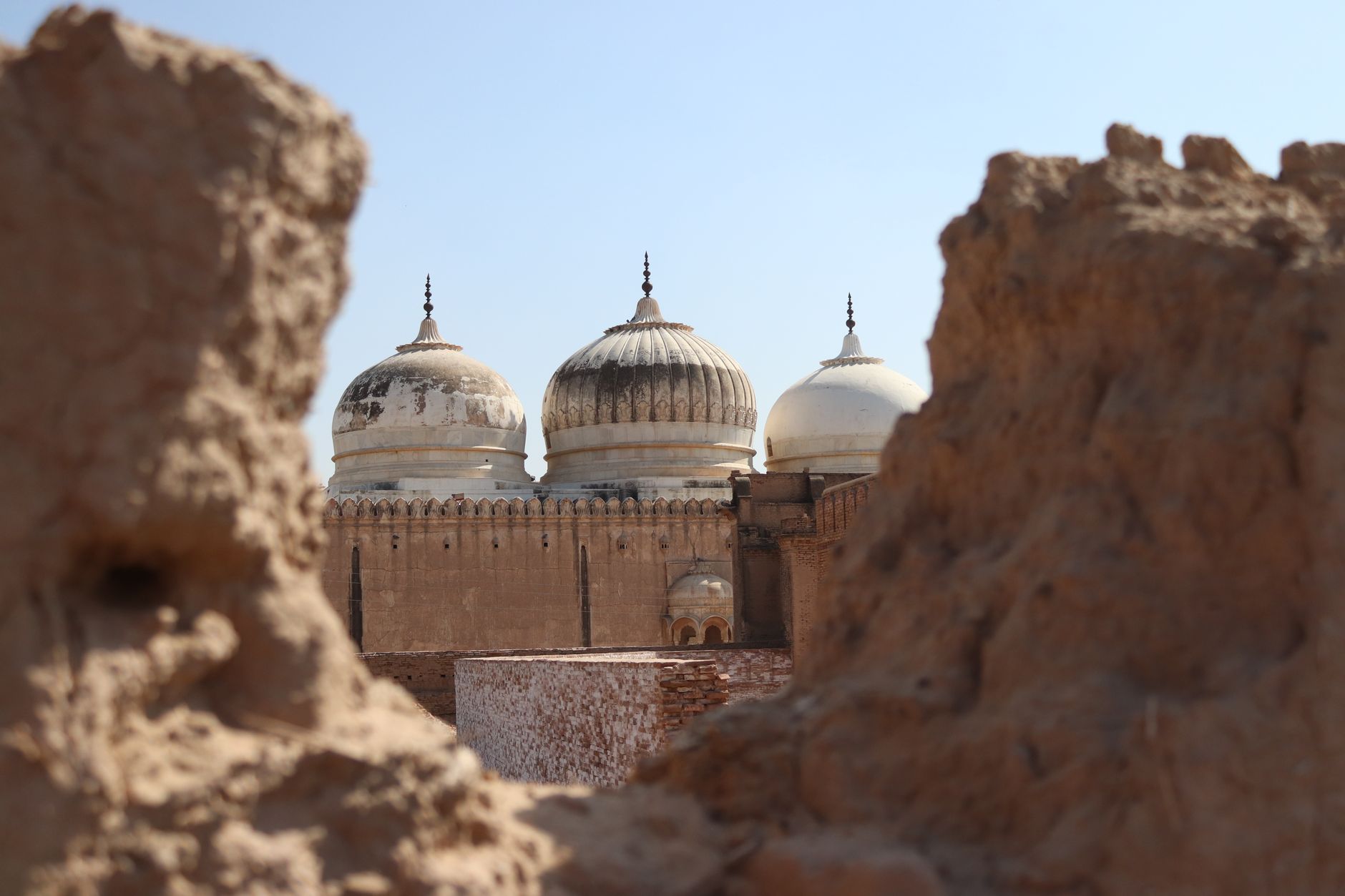
Photo by Waqas Ahmad Wicky on Pexels
The Harappan Script Remains Undeciphered
On September 9, 1921, archaeologist Daya Ram Sahni uncovered the first Harappan inscriptions in Harappa, Pakistan. Alexander Cunningham, a British archaeologist, had previously identified the site in 1872, but Sahni's discovery sparked a flurry of excavations. The Harappan script, comprising over 400 symbols, has been found on numerous artifacts, including pottery, seals, and tablets.
What Everyone Knows
Most people think the Harappan script is a simple writing system used by the ancient Indus Valley Civilization. The standard story goes that the script is a form of pictorial writing, where symbols represent objects or concepts. However, this understanding barely scratches the surface of the script's complexity and the efforts made to decipher it.
What History Actually Shows
Historian Iravatham Mahadevan, in his book "The Indus Script: Texts, Concordance, and Tables", actively challenges the notion that the Harappan script is straightforward. Mahadevan argues that the script is a sophisticated writing system, with symbols that can have multiple meanings. As historian Asko Parpola notes in "Deciphering the Indus Script", the script's complexity is evident in its use of symbols that combine to form new words. On January 1, 1999, Parpola presented a paper at the 14th International Conference on South Asian Archaeology, where he discussed the script's possible connections to the Dravidian language family. The Harappan script is the only known writing system of the ancient world that has not been deciphered, despite numerous attempts by scholars like Michael Witzel, who in 2000, proposed a possible link to the Sanskrit language. Archaeologist Richard Meadow, in his 1996 paper "The Indus Script and the Corpus of Inscriptions", actively analyzed the distribution of symbols on various artifacts, revealing patterns that suggest a high degree of standardization. By 2005, the discovery of new inscriptions in the Ravi River valley had added to the corpus of known texts, but the meaning of the symbols remained elusive. Historian Steve Farmer, in his 2004 paper "The Collapse of the Indus-Script Thesis", actively challenged the idea that the Harappan script represents a language at all, proposing instead that it may be a form of symbolic communication.
The Part That Got Buried
Historians like Sir Alexander Cunningham and Sir John Marshall actively worked to uncover the secrets of the Indus Valley Civilization, but their efforts were hindered by the British colonial administration's decision to prioritize the excavation of more "spectacular" sites like Mohenjo-Daro and Harappa. As a result, the study of the Harappan script was relegated to the sidelines, with many scholars focusing on the more glamorous aspects of the civilization, such as its architecture and art. The Indian government's post-independence focus on nation-building and economic development also led to a decrease in funding for archaeological research, further marginalizing the study of the Harappan script. One concrete reason for the lack of progress in deciphering the script is that many of the excavated artifacts were not properly preserved, leading to the loss of valuable information. Scholars such as Iravatham Mahadevan and Asko Parpola made significant contributions to the field, but their work was often overlooked by the broader academic community.
The Ripple Effect
The inability to decipher the Harappan script has had a direct impact on our understanding of the Indus Valley Civilization's trade networks, with many scholars speculating that the script may hold the key to understanding the civilization's extensive trade connections with ancient Mesopotamia and Egypt. The modern-day Pakistani and Indian governments' claims to the cultural heritage of the Indus Valley Civilization have also been affected, as the script's meaning could potentially shed light on the origins and migrations of the people who created this sophisticated urban culture. For example, the design of the modern-day Pakistani currency, the rupee, features motifs inspired by the Indus Valley Civilization, and a deeper understanding of the Harappan script could have provided valuable insights into the symbolism and significance of these motifs.
The Line That Says It All
The Harappan script remains undeciphered, a 4,000-year-old enigma that continues to frustrate scholars and hinder our understanding of one of the world's most fascinating ancient civilizations.
A Note on Sources
This article draws on historical records, documented accounts, and academic research related to the Indus Valley Civilization and the Harappan script.