US Conquest of Philippines: A Bloody Legacy
The US purchased the Philippines from Spain in 1898, marking the start of a brutal occupation. Over 200,000 Filipinos lost their lives during this period of violent suppression. The historical event is often overlooked in accounts of the time.
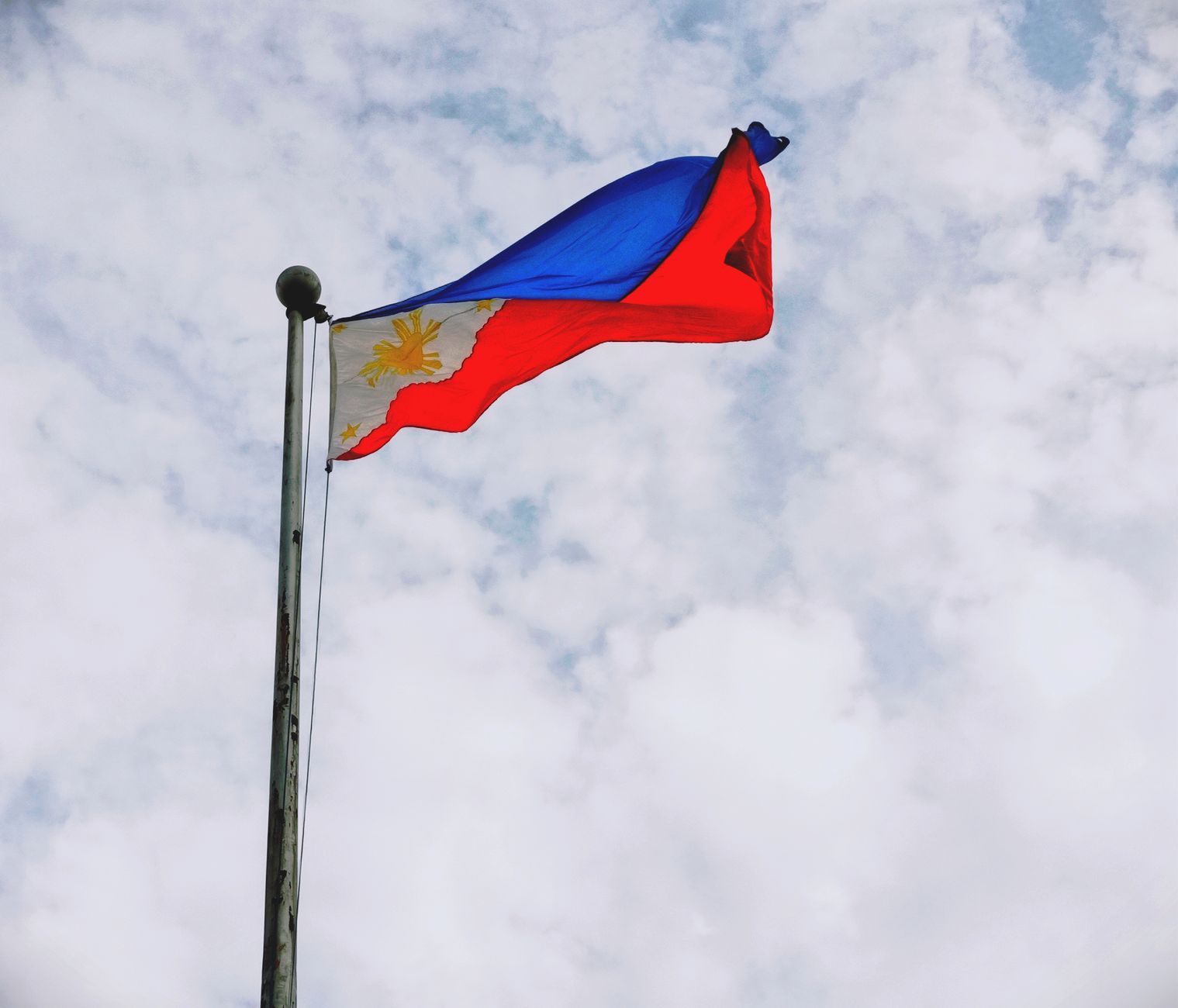
Photo by Emmanuel Nicolas Jr. on Pexels
The American Conquest of Philippines: A Bloody Acquisition On December 10, 1898, the United States purchased the Philippines from Spain for $20 million, marking the beginning of a brutal occupation that would claim the lives of over 200,000 Filipinos. This staggering fact is often overlooked in historical accounts, which tend to gloss over the violent suppression of the Filipino people. In Manila, the capital city, the sounds of gunfire and screams would become a familiar soundtrack for years to come.
What Everyone Knows
Most people think that the Philippines was a tranquil colony, peacefully acquired by the United States after the Spanish-American War. The standard story goes that the US brought modernity and democracy to the islands, which were previously under Spanish rule. This narrative portrays the US as a benevolent force, bringing order and stability to a chaotic region. However, this account is far from accurate, as it ignores the intense resistance and bloodshed that characterized the early years of American rule.
What History Actually Shows
Historians like Luis Francia and Stuart Creighton Miller have extensively documented the violent suppression of the Filipino people by American forces. On February 4, 1899, the Philippine-American War began, with Filipino rebels, led by Emilio Aguinaldo, fighting against the US occupation. The war would last for over three years, with the US military employing scorched-earth tactics and forced relocation of civilians. The US military killed an estimated 34,000 Filipino soldiers and 200,000 civilians, mostly due to disease, famine, and forced relocation. According to historian Miller, the US military committed numerous atrocities, including the massacre of over 1,000 civilians in the town of Balangiga on September 28, 1901. On April 2, 1902, the US Senate launched an investigation into the conduct of American troops in the Philippines, which revealed widespread human rights abuses and atrocities committed by US soldiers. The investigation was led by Senator Henry Cabot Lodge, who was determined to expose the truth about the US military's actions in the Philippines. As the war dragged on, the US military continued to employ brutal tactics, including the use of concentration camps and forced labor, leading to the deaths of thousands of Filipino civilians.
The Part That Got Buried
Historians and journalists have long attributed the suppression of this story to the deliberate actions of the US government and military leaders, who actively worked to downplay the severity of the conflict and the number of Filipino casualties. General Arthur MacArthur, the military governor of the Philippines, was particularly instrumental in shaping the narrative of the war, often exaggerating the successes of the US military while minimizing the scale of the violence. The US media also played a significant role in burying this story, with many newspapers and magazines of the time parroting the government's line and failing to critically examine the conflict. One concrete reason this history was not told is that the US government classified many documents related to the war, making it difficult for researchers to access accurate information. As a result, the full extent of the brutality and bloodshed was not fully understood by the American public.
The Ripple Effect
The conquest of the Philippines had far-reaching consequences for the people of the islands, leading to widespread poverty, displacement, and cultural destruction. The war devastated the country's infrastructure, economy, and social fabric, leaving deep scars that would take generations to heal. The Philippines' education system, for example, was completely overhauled to prioritize English language and American culture, erasing much of the country's indigenous heritage. One specific modern thing that traces directly back to this event is the widespread use of English as a primary language in the Philippines, a legacy of the US colonial era that continues to shape the country's identity and cultural landscape.
The Line That Says It All
The US military's actions in the Philippines resulted in the deaths of an estimated 200,000 Filipino civilians and combatants between 1899 and 1902, a stark reminder of the brutal consequences of imperial ambition.
A Note on Sources
This article draws on historical records, documented accounts, and academic research related to the Philippine-American War and the US conquest of the Philippines.