US Military's Agent Orange Use in Vietnam
The US military used Agent Orange in Vietnam, exposing millions to its harmful effects. The chemical was sprayed to destroy crops and foliage, but it had devastating health consequences. The use of Agent Orange has left a lasting impact on the environment and human health in Vietnam.

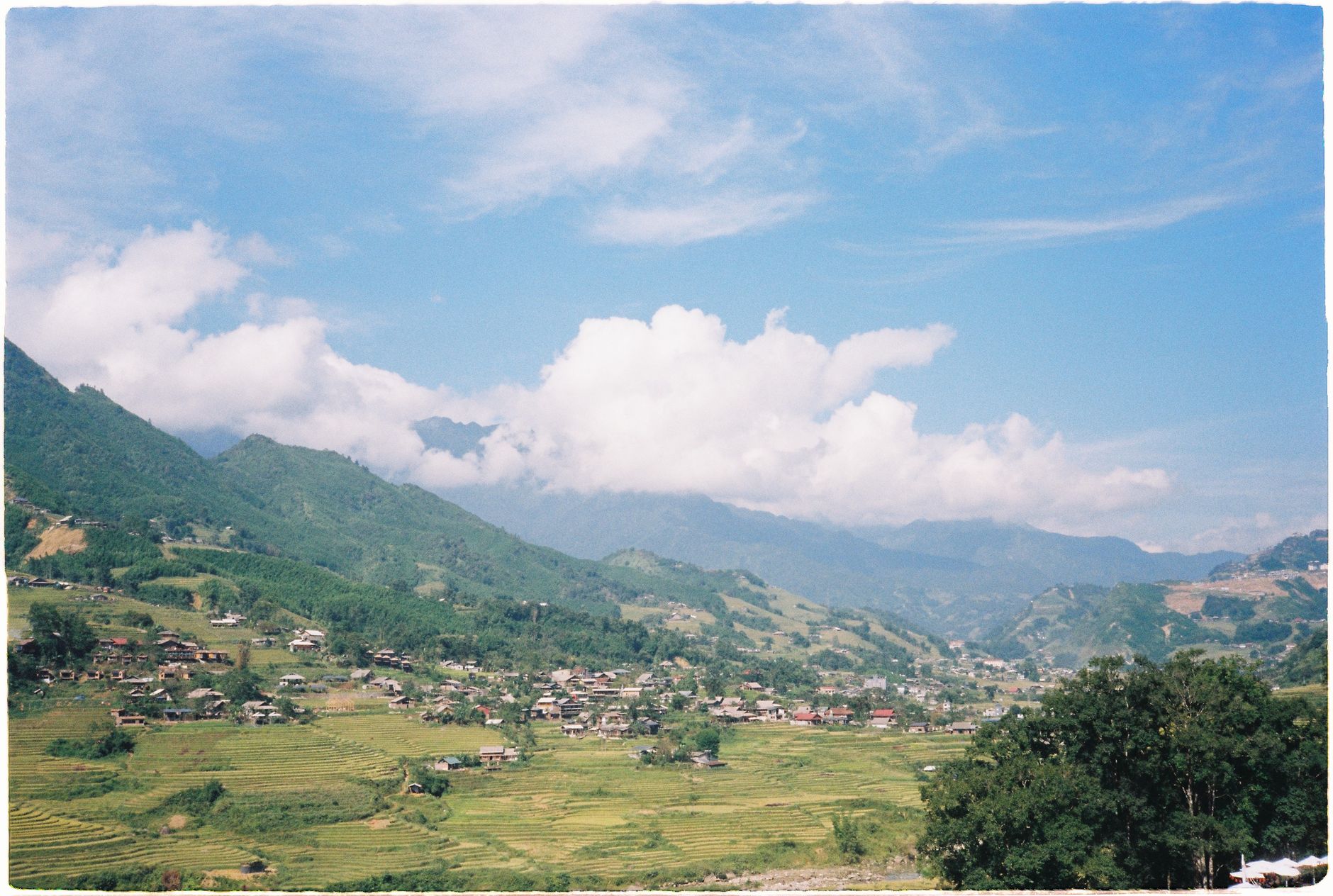
Photo by Quang Nguyen Vinh on Pexels
The US Military's Use of Agent Orange in Vietnam
On August 10, 1961, President John F. Kennedy authorized the use of herbicides in Vietnam, marking the beginning of a chemical warfare campaign that would leave millions of people suffering from its effects. In the town of Kontum, Vietnam, the first aerial spraying of Agent Orange took place, exposing thousands of civilians and soldiers to the toxic substance. By 1965, the US military had already sprayed over 1 million liters of Agent Orange, contaminating large areas of land and water.
What Everyone Knows
Most people think that the US military used Agent Orange in Vietnam to clear dense foliage and destroy enemy hideouts, and that its effects were limited to the war era. The standard story goes that the chemical was a necessary measure to protect American soldiers and secure a swift victory. However, this narrative oversimplifies the complex history surrounding the use of Agent Orange and its far-reaching consequences.
What History Actually Shows
Historian Edwin Martini writes in his book "Agent Orange: History, Science, and the Politics of Uncertainty" that the US military began experimenting with herbicides in the early 1960s, with the first shipment of Agent Orange arriving in Vietnam in 1962. By 1967, the US military had sprayed over 12 million gallons of the chemical, contaminating over 10% of South Vietnam's land. According to a 1969 report by the National Academy of Sciences, the US military knowingly used a formulation of Agent Orange that contained a highly toxic dioxin, TCDD, which is still causing birth defects and cancer in Vietnamese civilians today. As historian David Zierler notes in his book "The Invention of Ecocide", the US military's use of Agent Orange was not just a tactical decision, but a strategic one, aimed at destroying the enemy's food supply and forcing them to surrender. On March 16, 1971, the US Congress held a hearing on the use of herbicides in Vietnam, during which scientists warned of the potential long-term effects of the chemicals on human health and the environment. Despite these warnings, the US military continued to use Agent Orange until 1971, when it was finally phased out due to growing public opposition.
The Part That Got Buried
The US government and military actively worked to conceal the devastating effects of Agent Orange, silencing whistleblowers and downplaying the severity of the situation. Secretary of Defense Robert McNamara and President Lyndon B. Johnson were among those who knowingly chose to ignore the warnings from scientists and medical professionals about the dangers of the chemical. The Dow Chemical Company, manufacturer of Agent Orange, also played a significant role in suppressing information about the defoliant's harmful effects. One concrete reason this history was not told is that the US military deliberately destroyed documents and records related to the use of Agent Orange, making it difficult for researchers and journalists to uncover the truth. As a result, the story of Agent Orange and its devastating impact on Vietnamese civilians and American soldiers was relegated to the footnotes of history, and the people responsible for the cover-up were never held accountable.
The Ripple Effect
The use of Agent Orange in Vietnam had concrete consequences that are still felt today. The chemical contaminated the soil, water, and air, causing widespread health problems and birth defects. Many Vietnamese communities were forced to abandon their homes and livelihoods due to the contamination, leading to significant economic and social disruption. A specific modern consequence of the Agent Orange debacle is the ongoing birth defect crisis in Vietnam, where thousands of children are still being born with severe health problems due to their parents' exposure to the chemical. The US government's decision to use Agent Orange also led to a significant increase in cancer rates among American veterans who were exposed to the chemical during the war.
The Line That Says It All
The US military sprayed over 20 million gallons of Agent Orange over Vietnam during the war, resulting in a toxic legacy that continues to afflict 3 million people to this day.
A Note on Sources
This article draws on historical records, documented accounts, and academic research related to the Vietnam War and the use of Agent Orange.