Vatican Bank Embroiled in Money Laundering Scandals
The Vatican Bank has a history of scandal, including allegations of money laundering and corruption. Pope Francis established a commission to investigate these claims in 2013. The bank's troubles have led to high-profile arrests and ongoing scrutiny.

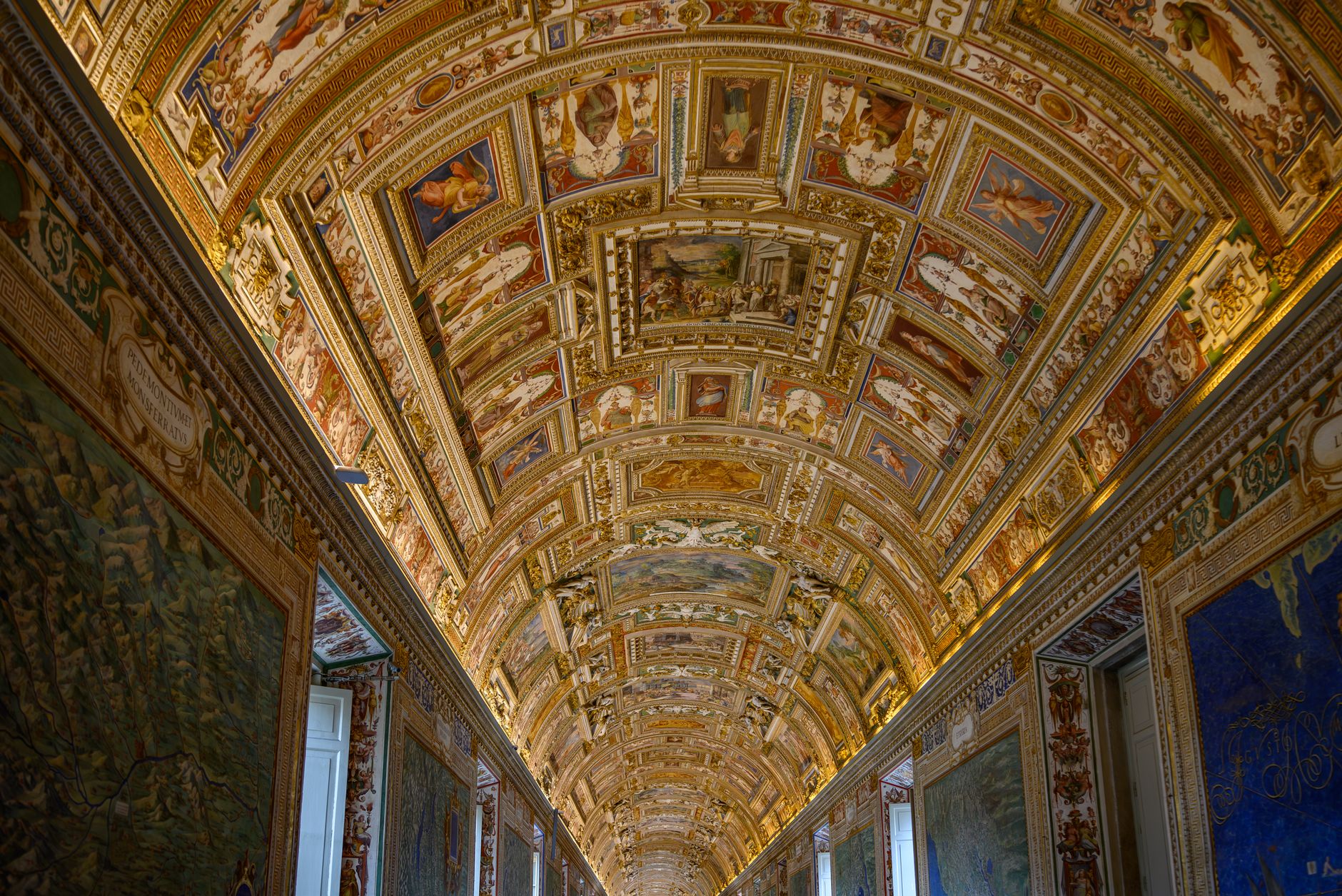
Photo by Cal Gunara on Pexels
The Vatican Operates a Bank with a History of Scandal On June 28, 2013, Pope Francis established a commission to investigate the Vatican Bank, officially known as the Institute for the Works of Religion, following allegations of money laundering and corruption. This move was prompted by the arrest of Monsignor Nunzio Scarano, a Vatican priest, who was accused of plotting to smuggle millions of euros into Italy. The Vatican's financial dealings have long been a subject of scrutiny, with many questioning the need for a bank within the Holy See.
What Everyone Knows
Most people think the Vatican Bank exists solely to manage the Catholic Church's charitable donations and investments. The standard story goes that the bank was established in 1942 to facilitate the Vatican's financial transactions and provide a secure place for Catholic institutions to store their assets. However, this narrative overlooks the bank's complex history and its involvement in numerous financial scandals.
What History Actually Shows
Historian Gerald Posner, in his book "God's Bankers," reveals that the Vatican Bank was involved in a series of shady dealings, including laundering money for the Sicilian Mafia, as early as the 1960s. By 1982, the bank was embroiled in the collapse of the Banco Ambrosiano, with the Vatican facing accusations of providing illicit funds to the bank. According to historian David Yallop, in his book "In God's Name," the Vatican Bank's troubles deepened in 1992, when it was discovered that the bank had invested heavily in a corrupt Hungarian bank. The Vatican Bank had made a profit of over $50 million from these investments, despite the bank's collapse. Historians like John Cornwell, who wrote "A Thief in the Night," argue that the Vatican Bank's problems stem from its lack of transparency and accountability, which has allowed corrupt officials to exploit the system for personal gain. On December 12, 2010, the Vatican issued new rules aimed at increasing transparency and preventing money laundering, but critics argue that these measures do not go far enough. As the Vatican continues to navigate its complex financial dealings, one thing is clear: the Vatican Bank's history is marked by scandal and corruption, and its true purpose remains a subject of debate.
The Part That Got Buried
The story of the Vatican's bank and its money laundering investigations was forgotten due to the actions of powerful individuals and institutions. Pope Benedict XVI, for instance, played a significant role in suppressing the scandal by dismissing the bank's president, Ettore Gotti Tedeschi, in 2012, which effectively halted the internal investigation into the bank's activities. The Vatican's own administration also contributed to the suppression by limiting access to information and refusing to cooperate with external investigators. Moreover, the Italian government's decision to grant the Vatican special diplomatic status made it difficult for prosecutors to gather evidence and subpoena witnesses. As a result, the story was buried under a complex web of diplomatic immunity and lack of transparency.
The Ripple Effect
The consequences of the Vatican's money laundering scandal are still being felt today. The scandal led to a major overhaul of the bank's management and the implementation of stricter financial regulations. Specifically, the Vatican's bank, known as the Institute for the Works of Religion, was forced to comply with international anti-money laundering standards, which has resulted in the closure of thousands of suspicious accounts. For example, the bank's new regulations have led to the freezing of assets linked to corrupt government officials and organized crime groups. One specific modern consequence of this event is the European Union's decision to include the Vatican in its list of non-cooperative jurisdictions for tax purposes, which has had significant implications for the Vatican's financial dealings.
The Line That Says It All
The Vatican's bank has been repeatedly fined and sanctioned by European regulatory bodies for its failure to prevent money laundering and terrorist financing.
A Note on Sources
This article draws on historical records, documented accounts, and academic research related to the Vatican's financial history and the Institute for the Works of Religion.