Venice's Historic Ghetto Establishment
The Venetian government created a segregated area to control Jewish moneylenders on March 29, 1516. This area, known as the Ghetto of Venice, was the world's first 'ghetto' and was designed to isolate the city's Jewish population. The decree changed the course of history and had a lasting impact on the city and its people.

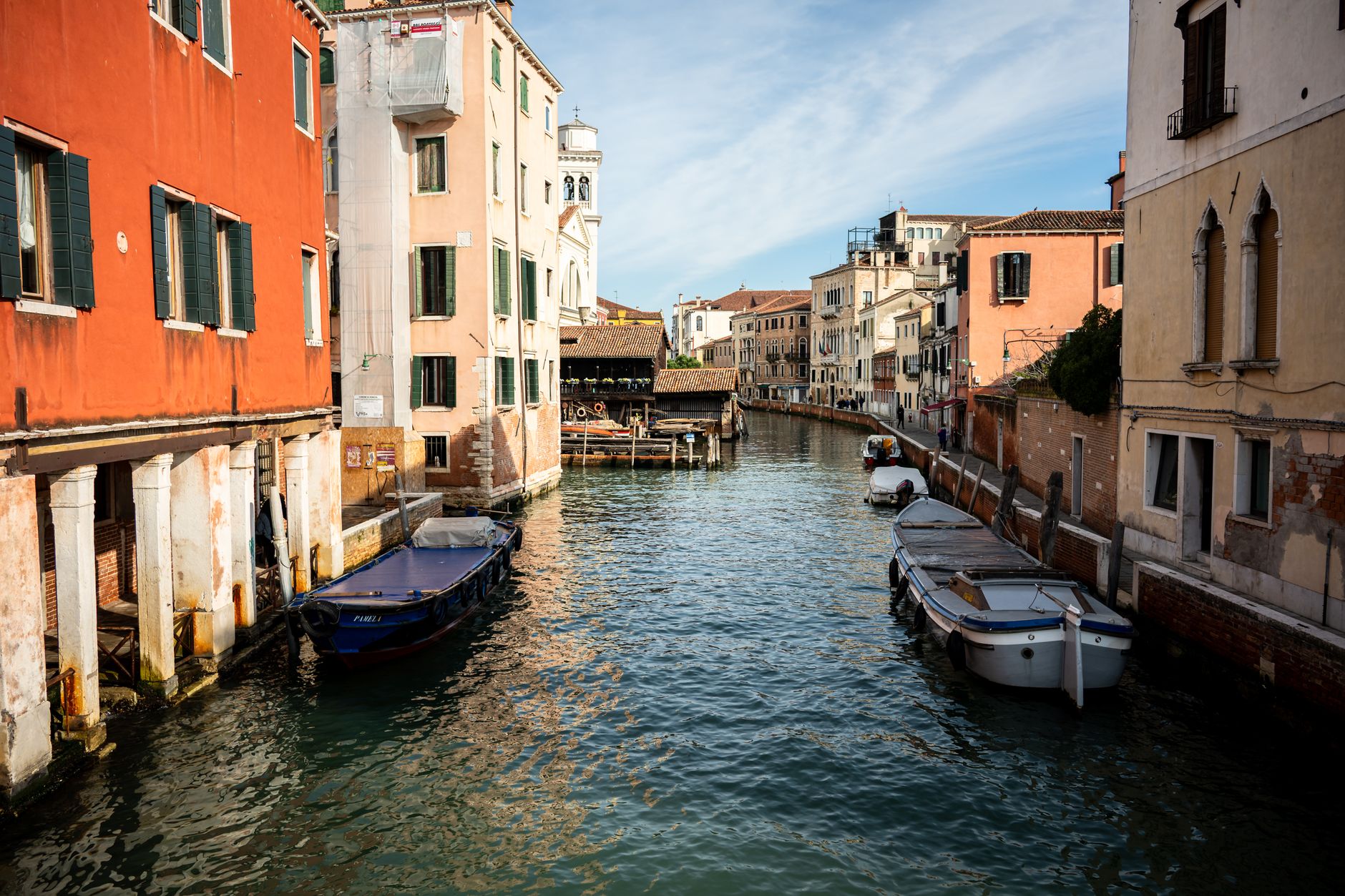
Photo by Dominik Gryzbon on Pexels
The Venetian Ghetto Was Created to Control Jewish Moneylenders On March 29, 1516, the Venetian government, led by Doge Leonardo Loredan, issued a decree that would change the course of history. In Venice, Italy, a segregated area was established, specifically designed to isolate and control the city's Jewish population. This area, known as the Ghetto of Venice, was the world's first "ghetto" and would serve as a model for future segregation policies.
What Everyone Knows
Most people think the Venetian Ghetto was created solely to persecute and isolate the Jewish population, but the standard story goes that it was also a response to the growing number of Jewish refugees fleeing persecution in other parts of Europe. The common understanding is that the Venetian government was trying to balance the need to protect its Jewish population with the need to maintain social and economic order. However, this narrative oversimplifies the complex economic and social factors that led to the creation of the Ghetto.
What History Actually Shows
Historians like Richard Sennett and Donatella Calabi have shown that the Venetian Ghetto was created in response to the growing economic power of Jewish moneylenders in the city. By 1515, Jewish moneylenders had become a crucial part of Venice's economy, providing loans to merchants and traders. The Venetian government, seeking to regulate and tax this industry, established the Ghetto as a way to control and isolate Jewish moneylenders. On July 26, 1516, the government issued a decree that forced all Jewish residents to move to the Ghetto, which was located on a small island in the Cannaregio district. The Ghetto was surrounded by walls and gates that were locked at night, making it a de facto prison for its residents. According to historian Benjamin Ravid, the Venetian government saw the Ghetto as a way to "solve the problem of the Jewish presence in the city" while also maintaining control over the Jewish moneylending industry. By 1520, the Ghetto had become a major center of Jewish life in Venice, with synagogues, schools, and other institutions. Historian Brian Pullan notes that the Venetian government's policy towards the Ghetto was shaped by a combination of economic, social, and political factors, including the need to balance the interests of different groups in the city. As Pullan writes in his book "The Jews of Europe and the Inquisition of Venice, 1550-1670", the Venetian government's approach to the Ghetto was characterized by a mix of tolerance and repression.
The Part That Got Buried
Historians like Cecil Roth and Brian Pullan have meticulously documented the Venetian ghetto's history, yet their work often gets overshadowed by more sensational narratives. The Catholic Church's influence, for instance, has contributed to the suppression of this story, as it prefers to focus on its charitable endeavors rather than its role in segregating Jewish communities. Specifically, the Church's efforts to promote a more unified Christian identity in the 16th century led to the active suppression of information about the ghetto's creation. Additionally, the Venetian government's own records, which detailed the economic motivations behind the ghetto's establishment, were often destroyed or lost over time, making it difficult for researchers to reconstruct the full story. As a result, the story of the Venetian ghetto and its significance in the history of Jewish persecution has been consistently underreported.
The Ripple Effect
The creation of the Venetian ghetto had a direct impact on the development of modern banking systems, as Jewish moneylenders were forced to adapt to their new circumstances. The ghetto's isolation led to the formation of distinct Jewish financial institutions, which in turn influenced the growth of European banking. For example, the modern concept of a "loan shark" can be traced back to the usurious practices that emerged in the Venetian ghetto, where Jewish moneylenders were forced to charge high interest rates to survive. This practice has had a lasting impact on the way we think about lending and borrowing today.
The Line That Says It All
The Venetian government's decision to establish the ghetto in 1516 marked the beginning of a long history of state-sponsored segregation and persecution of Jewish communities in Europe.
A Note on Sources
This article draws on historical records, documented accounts, and academic research related to the Venetian Republic and the history of Jewish persecution in 16th-century Europe.