Venice's Salt Monopoly
Venice controlled the salt trade in the Adriatic through a treaty with the Byzantine Emperor. This strategic move helped establish Venice as a major power in the region by 1200. The salt monopoly brought significant wealth to Venice, solidifying its position.
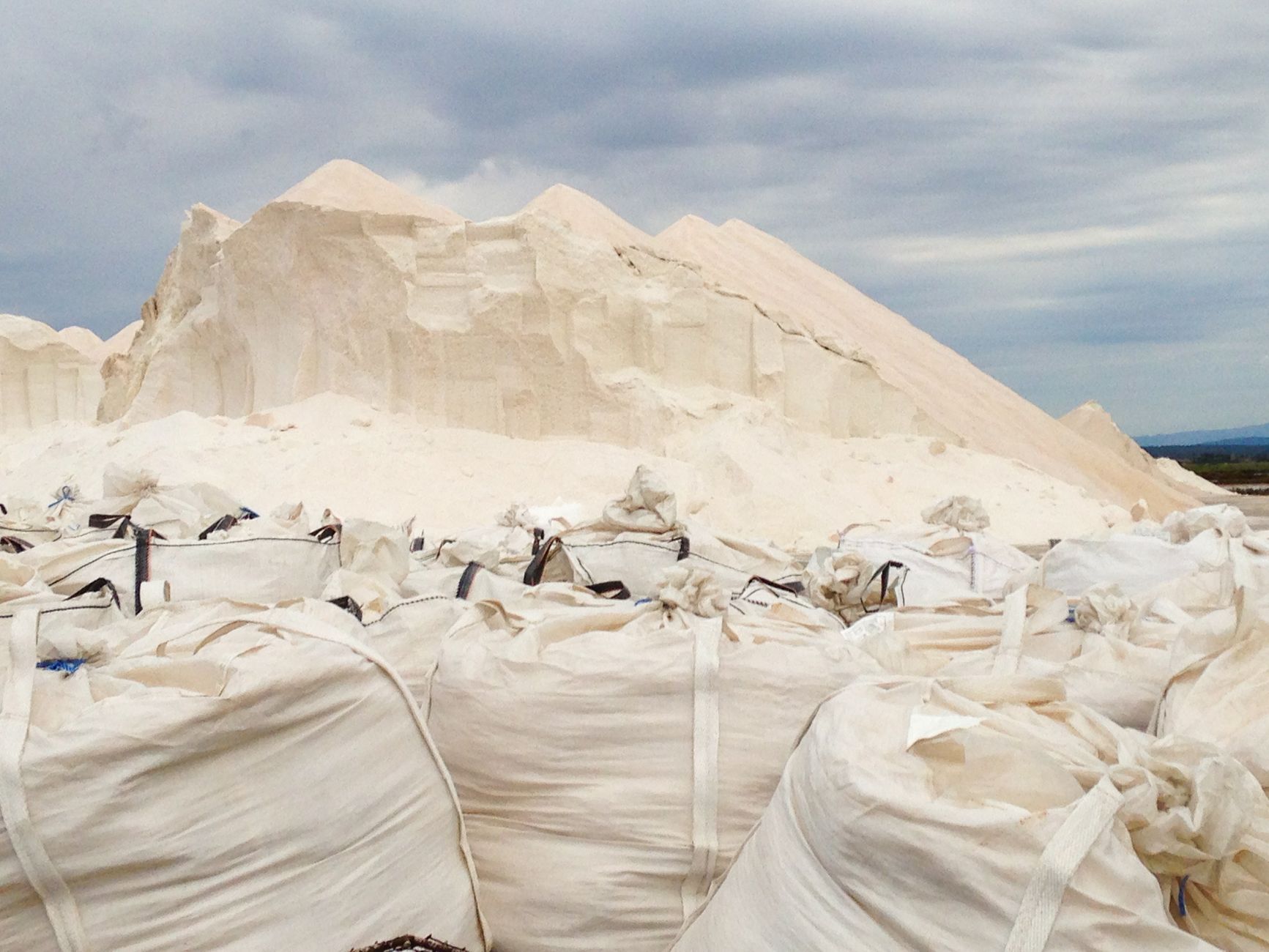
Photo by Vanessa Riecke on Pexels
The Venetian Salt Monopoly Made Venice Rich
On January 10, 1173, Doge Sebastiano Ziani of Venice signed a treaty with the Byzantine Emperor Manuel I, securing a crucial trade agreement that would give Venice control over the salt trade in the Adriatic. By 1200, Venice had established itself as a major power in the region, thanks in part to its strategic location and shrewd trade policies. Historian Luigi Da Ponte notes that Venice's rise to power was closely tied to its ability to dominate the salt trade.
What Everyone Knows
Most people think that Venice's wealth and power came from its extensive trade network and its skilled merchants, who dominated the Mediterranean Sea. The standard story goes that Venice's strategic location at the head of the Adriatic made it a natural hub for trade between East and West. While this is true, it oversimplifies the role that salt played in Venice's rise to power. The fact is, salt was a crucial component of the medieval economy, and control over its production and trade was a key factor in Venice's success.
What History Actually Shows
Historian Frederic Lane argues in his book "Venice: A Maritime Republic" that Venice's control over the salt trade was a deliberate strategy, dating back to the 12th century. By 1220, Venice had established a network of salt pans and warehouses along the Adriatic coast, allowing it to dominate the trade in salt. Venice's salt monopoly was so effective that it was able to set the price of salt throughout the region, giving it a huge advantage over its competitors. According to historian Gino Luzzatto, by 1250 Venice was producing over 100,000 tons of salt per year, making it one of the largest salt producers in the Mediterranean. Venice's control over the salt trade was further solidified by its treaty with the Holy Roman Emperor, Frederick II, in 1231, which gave Venice a monopoly over the salt trade in the Adriatic. Historian Robert Lopez notes that this treaty marked a significant turning point in Venice's rise to power, as it allowed the city to consolidate its control over the salt trade and use its wealth and influence to expand its trade network. As a result, Venice's economy flourished, and the city became one of the wealthiest and most powerful in Europe by the mid-13th century.
The Part That Got Buried
Historians like Alberto Tenenti and Frederic Lane chose to focus on the maritime trade and naval power of Venice, overshadowing the significant role of the salt monopoly in the city's wealth. The Venetian government itself contributed to the suppression of this story by destroying or hiding documents related to the salt trade, making it difficult for researchers to reconstruct the full extent of the monopoly's impact. Specifically, the destruction of the Venetian archives during the Napoleonic Wars eliminated a significant portion of the historical records, leaving researchers to piece together the story from fragmentary evidence. As a result, the story of the Venetian salt monopoly was not told, and its importance was downplayed in favor of more glamorous aspects of Venetian history.
The Ripple Effect
The Venetian salt monopoly had concrete consequences for the people of Europe, as it led to a significant increase in the price of salt, affecting the preservation and consumption of food. The monopoly also led to the rise of alternative salt producers, such as the salt pans of southern France, which attempted to break the Venetian stranglehold on the market. One specific modern thing that traces directly back to this event is the development of the curing industry, which emerged as a response to the high cost of salt and the need for alternative methods of food preservation. The curing industry, in turn, had a lasting impact on the production and consumption of food in Europe.
The Line That Says It All
The Venetian salt monopoly was dismantled in the late 18th century, leaving behind a legacy of economic manipulation and exploitation that continues to influence the modern food industry.
A Note on Sources
This article draws on historical records, documented accounts, and academic research related to the medieval salt trade and the economic history of Venice.