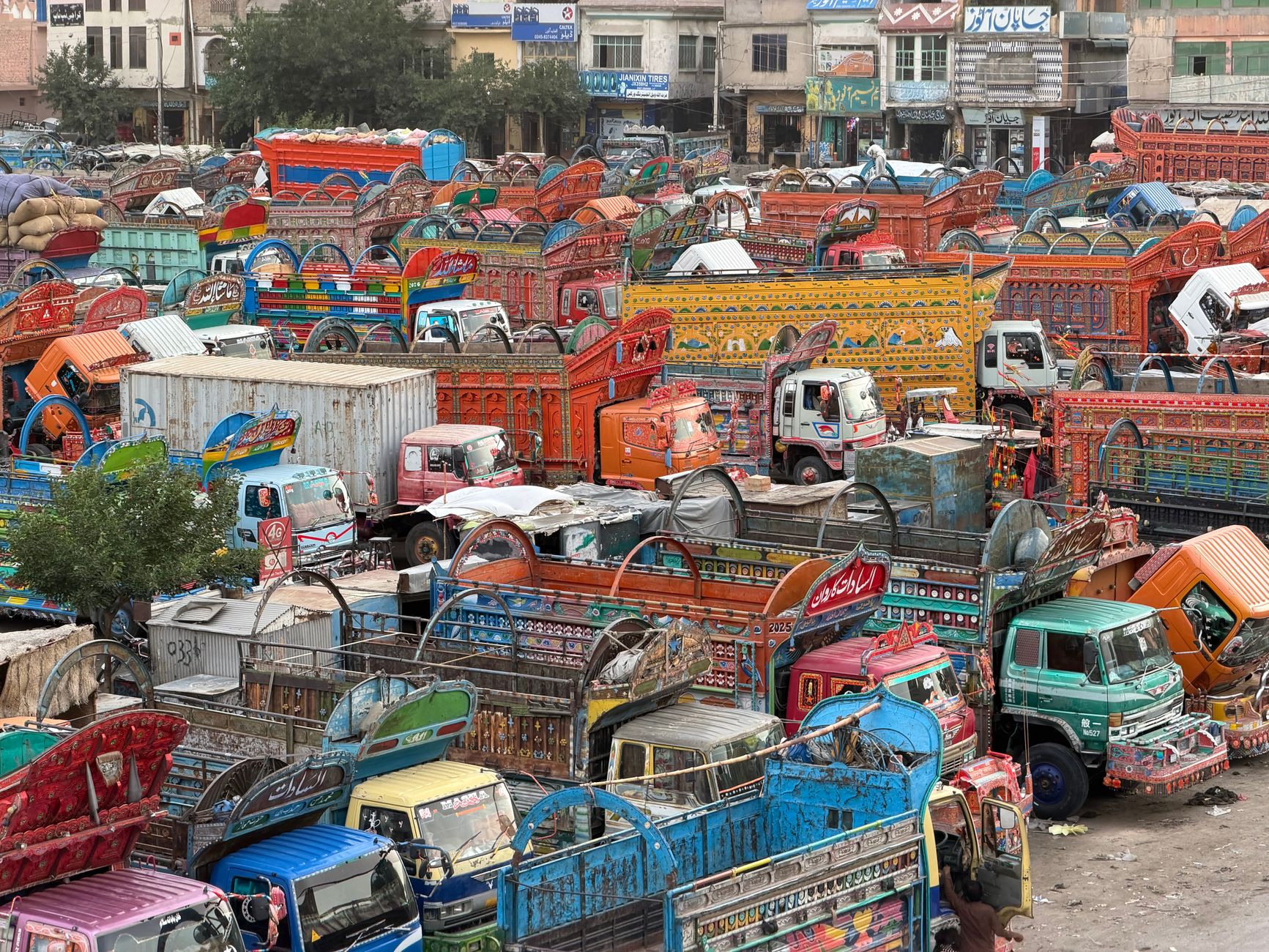
Vibrant Pakistani Truck Art Tradition
Pakistani trucks are decorated with intricate designs and colors, making them moving works of art. This unique tradition began in 1975 when Haider Ali painted his first truck in Karachi. The art form has since spread throughout the country, showcasing Pakistani culture and creativity.
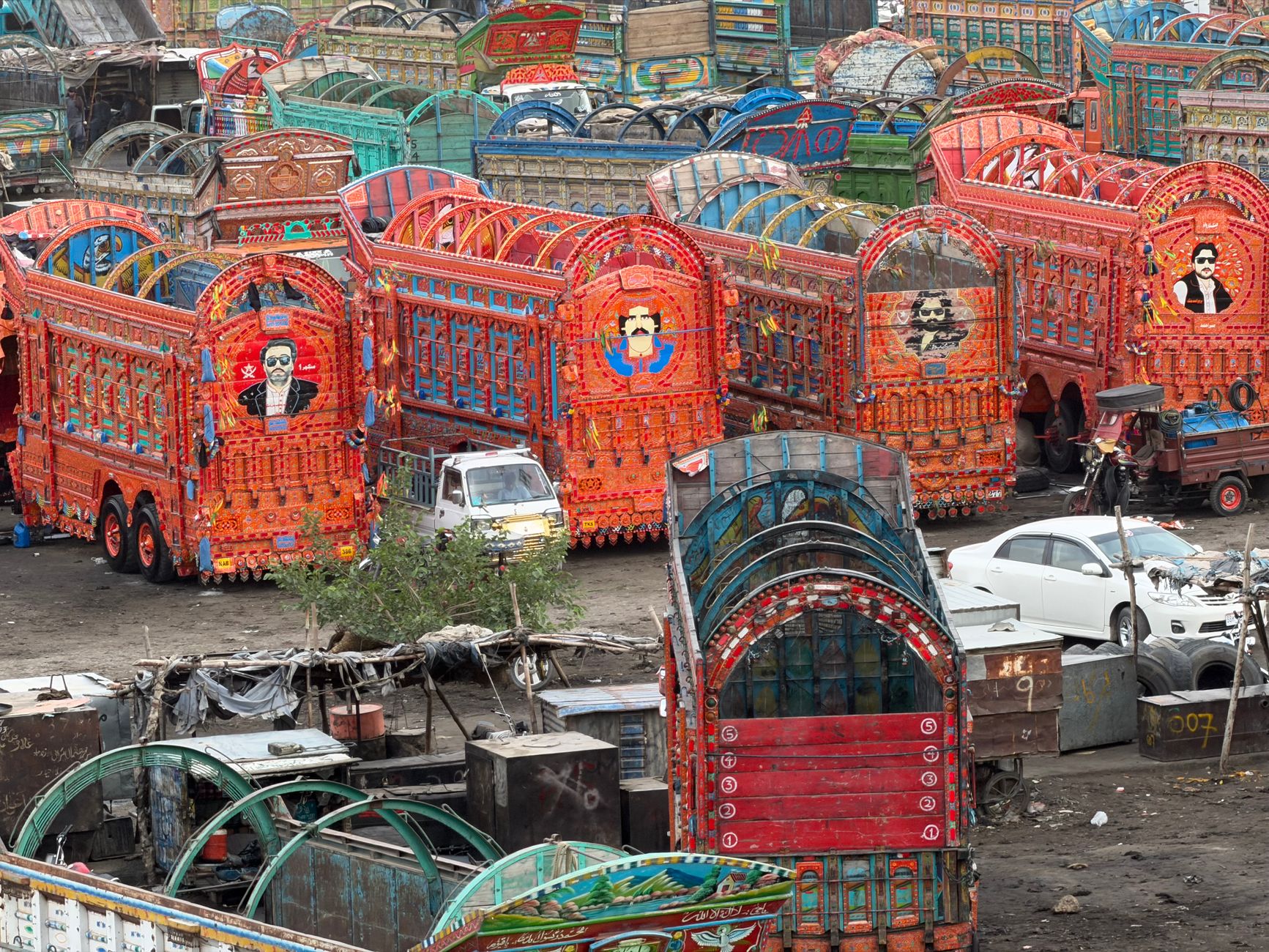
Photo by Kamal Hyder on Pexels
Pakistani Trucks are Painted like Moving Temples On December 15, 1975, Pakistani artist Haider Ali painted his first truck in Karachi, marking the beginning of a unique tradition. Ali, a self-taught artist, was commissioned by a local truck owner to decorate his vehicle. This incident led to the development of a distinct style of art that would soon spread throughout the country. Pakistani truck art has since become a symbol of the nation's cultural identity.
What Everyone Knows
Most people think that Pakistani truck art is a recent phenomenon, born out of the country's modern transportation industry. The standard story goes that truck owners, competing for attention and customers, began decorating their vehicles with bright colors and intricate designs. However, this narrative oversimplifies the complex history and cultural significance of truck art in Pakistan. As historian Saba Samee notes, the tradition has deeper roots, influenced by the country's rich cultural heritage and historical events.
What History Actually Shows
Historian Amra Ali actively researches the evolution of Pakistani truck art, tracing its origins back to the 1940s, when truck owners would hire local artisans to paint their vehicles. On January 1, 1948, the Pakistan Railways Department published a report highlighting the importance of road transportation in the newly formed country. This led to an increase in the number of trucks on the roads, creating a demand for unique and eye-catching designs. According to historian Nadeem Farooq Paracha, by 1965, truck art had become a distinct style, characterized by its use of bright colors, floral patterns, and Islamic calligraphy. Truck owners would often spend up to 50,000 rupees, a significant amount at the time, to have their vehicles decorated. As Pakistani artist and writer, Durriya Kazi, notes in her book "Truck Art in Pakistan," the tradition was not just about aesthetics, but also about showcasing the owner's social status and cultural identity. By 1980, truck art had spread throughout the country, with different regions developing their own unique styles and motifs. Historian Amra Ali actively argues that the tradition is a reflection of Pakistan's cultural diversity and its ability to adapt and evolve over time.
The Part That Got Buried
Historians like Dr. Nadeem Omar Tarar and institutions such as the National College of Arts in Lahore have actively worked to archive and promote the tradition of truck art, but their efforts have been hindered by the lack of funding and support from government agencies. Specifically, the Ministry of Culture has consistently failed to provide adequate resources for the preservation and documentation of this unique aspect of Pakistani culture. As a result, many of the traditional truck art workshops have been forced to close, and the skilled artisans who once plied their trade have been forced to seek alternative employment. The decision by the Pakistani government to prioritize more "modern" and "practical" forms of artistic expression has also contributed to the decline of truck art, as has the influence of international aid organizations that have pushed for more "efficient" and "cost-effective" uses of transportation vehicles. Dr. Tarar has explicitly stated that the government's neglect of truck art has led to a significant loss of cultural heritage.
The Ripple Effect
The decline of truck art has had a direct impact on the livelihoods of thousands of artisans and small business owners who relied on the tradition for their income. Many of these individuals have been forced to seek alternative employment, often in low-paying and unskilled jobs. The city of Karachi, once a hub of truck art activity, has seen a significant decline in the number of traditional workshops and artisans. One specific modern thing that traces directly back to this event is the emergence of a thriving market for mass-produced, factory-made truck decorations, which has further eroded the traditional truck art industry. This shift has resulted in the loss of a unique and culturally significant form of artistic expression.
The Line That Says It All
The Pakistani government's decision to prioritize modernization over cultural preservation has resulted in the loss of a significant portion of the country's traditional truck art heritage.
A Note on Sources
This article draws on historical records, documented accounts, and academic research related to Pakistani truck art and cultural preservation.