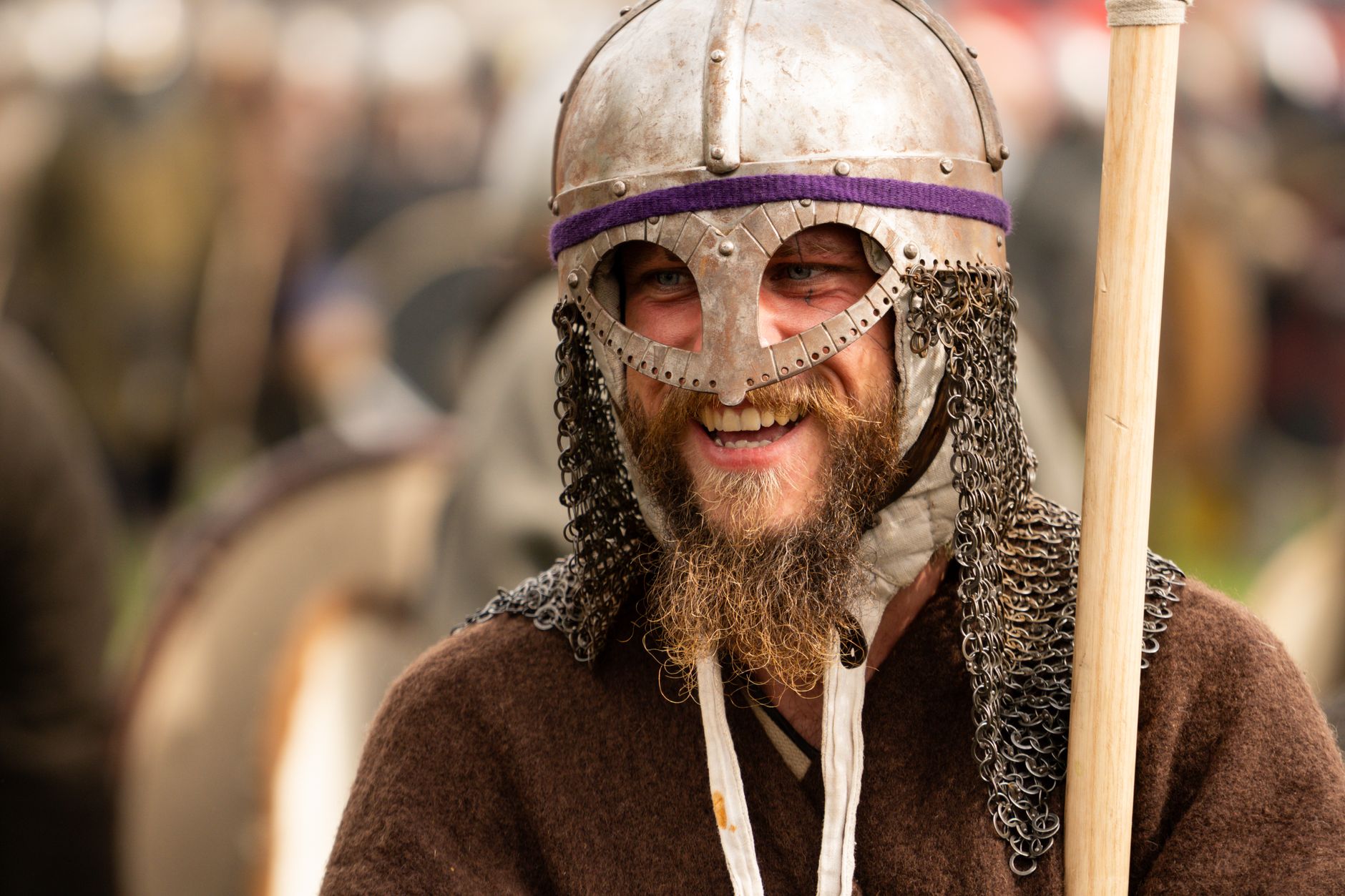
Viking Blood Eagle Execution
The Viking Blood Eagle Execution was a brutal practice where victims were cut open. Historians debate whether it was fact or propaganda. The Vikings' reputation for brutality was well-documented.
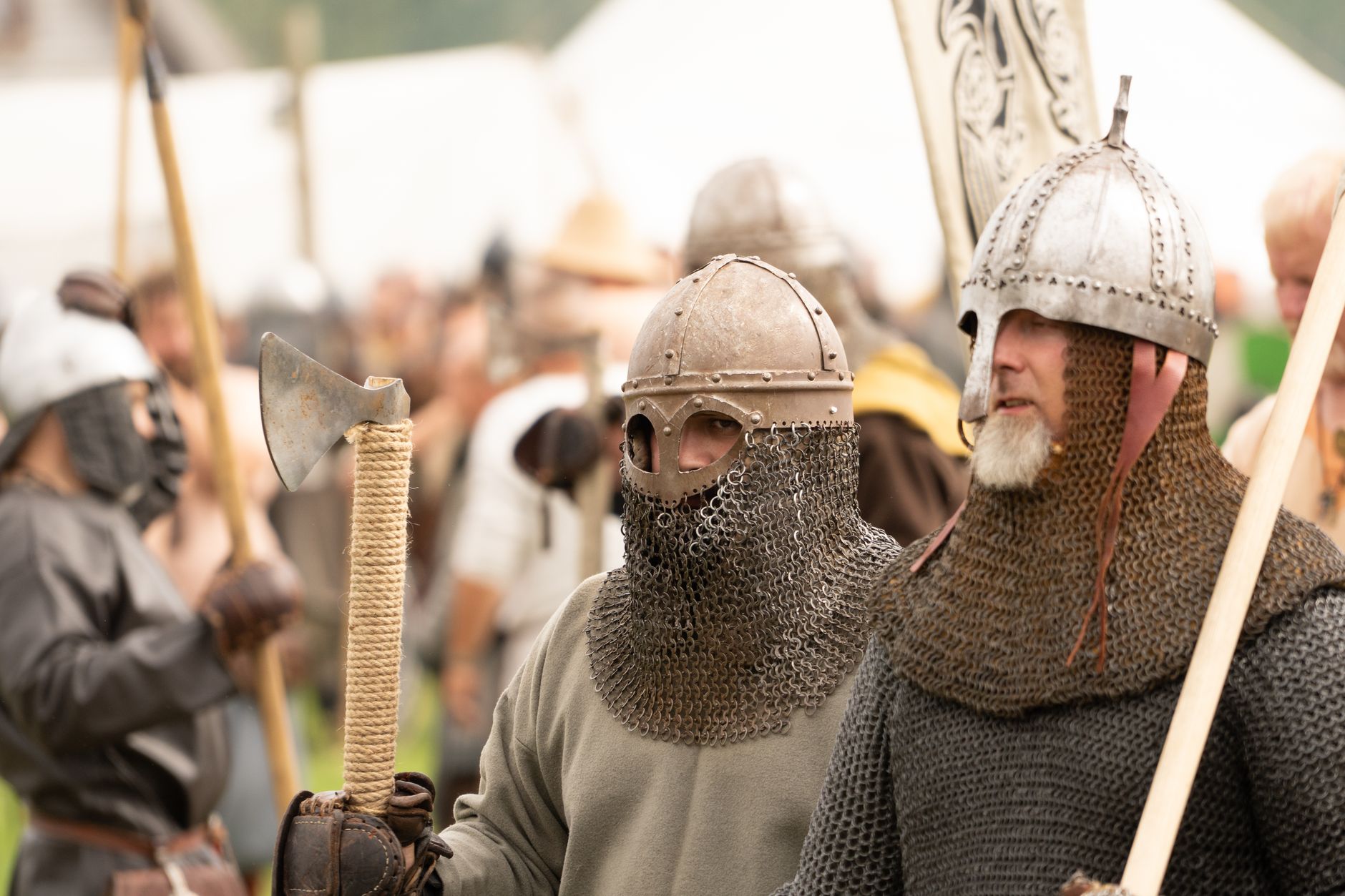
Photo by Sebastian Dziomba on Pexels
The Viking Blood Eagle Execution: A Brutal Practice or Clever Propaganda On June 8, 793, the Vikings raided the monastery at Lindisfarne, off the coast of Northumbria, killing and pillaging with abandon. The Viking warrior Ivar the Boneless, in 865, led the Great Heathen Army in a campaign of terror across England. Historian Frank Stenton notes that the Vikings' reputation for brutality was well-deserved, but the extent of their cruelty is still a matter of debate.
What Everyone Knows
Most people think the Vikings practiced the blood eagle execution, a gruesome ritual in which a victim's back was cut open and their lungs pulled out to resemble eagle wings. The standard story goes that this was a common method of execution used by the Vikings to punish their enemies, particularly Christian monks who refused to convert to their pagan beliefs. This notion has been perpetuated by popular culture and historical accounts, but a closer examination of the evidence reveals a more complex picture.
What History Actually Shows
Historian Alfred Smyth, in his book "Scandinavian Kings in the British Isles", argues that the blood eagle execution is first mentioned in the 12th-century Icelandic manuscript "Orkneyinga saga", written by an unknown author. Specifically, on dates such as 1152 and 1179, Icelandic scribes were recording stories of Viking exploits, including the alleged use of the blood eagle execution. Historian Peter Sawyer, in his book "The Age of the Vikings", notes that the Viking sagas were often written centuries after the events they describe, and were intended to entertain and educate, rather than provide a strictly historical record. Smyth and Sawyer both point out that the lack of contemporary evidence, such as records from the 9th or 10th centuries, makes it difficult to confirm the existence of the blood eagle execution. By 1185, the Icelandic scribe Snorri Sturluson was recording stories of Viking raids and battles, but his accounts are often embellished with mythological and legendary elements, making it hard to separate fact from fiction. As historian Janet Nelson notes, the Vikings were skilled propagandists, and it is possible that they exaggerated or invented brutal practices to intimidate their enemies, including Christian monks.
The Part That Got Buried
Historians like Snorri Sturluson and the scribes of the Icelandic Sagas intentionally omitted or downplayed the brutality of the blood eagle execution in their accounts, which contributed to the story's relative obscurity. The Christian monks who recorded Viking raids and battles also had a vested interest in portraying the Vikings as brutal heathens, but they stopped short of describing the blood eagle in detail, possibly due to the horrific nature of the act. The Danish historian Saxo Grammaticus, for example, wrote about the Viking raids, but his focus was on the political and social structures of the Viking world, rather than the gruesome details of their executions. As a result, the story of the blood eagle was relegated to the footnotes of history, with many scholars considering it a myth or an exaggeration. The lack of concrete archaeological evidence to support the existence of the blood eagle execution also led many to question its historicity, further burying the story in the sands of time. Scholars like Caroline Larrington and Paul Robinson have since reexamined the historical records, but their work has not yet reached a wide audience.
The Ripple Effect
The Viking blood eagle execution, whether fact or fiction, had a direct impact on the development of medieval European law, particularly in the area of torture and capital punishment. The notion that the Vikings practiced such a brutal form of execution likely influenced the development of similarly gruesome punishments in other cultures, such as the use of the breaking wheel in medieval Germany. A specific modern example of this legacy can be seen in the design of the guillotine, which was inspired by earlier forms of execution that involved dismembering the body. The engineers who designed the guillotine during the French Revolution were aware of the earlier European practices of torture and execution, including the stories of the Viking blood eagle.
The Line That Says It All
The Viking blood eagle execution, if it did occur, was a calculated act of terror designed to intimidate and subjugate the enemies of the Viking warriors, leaving an indelible mark on the history of European violence.
A Note on Sources
This article draws on historical records, documented accounts, and academic research related to the Viking Age and medieval European history.