Viking King's Bet Sparks Christian Conversion
Harald Bluetooth, the king of Denmark and Norway, lost a bet to German missionary Poppo. This encounter led to Harald's conversion to Christianity, significantly impacting Scandinavian history. The conversion ultimately influenced his entire country to adopt the Christian faith

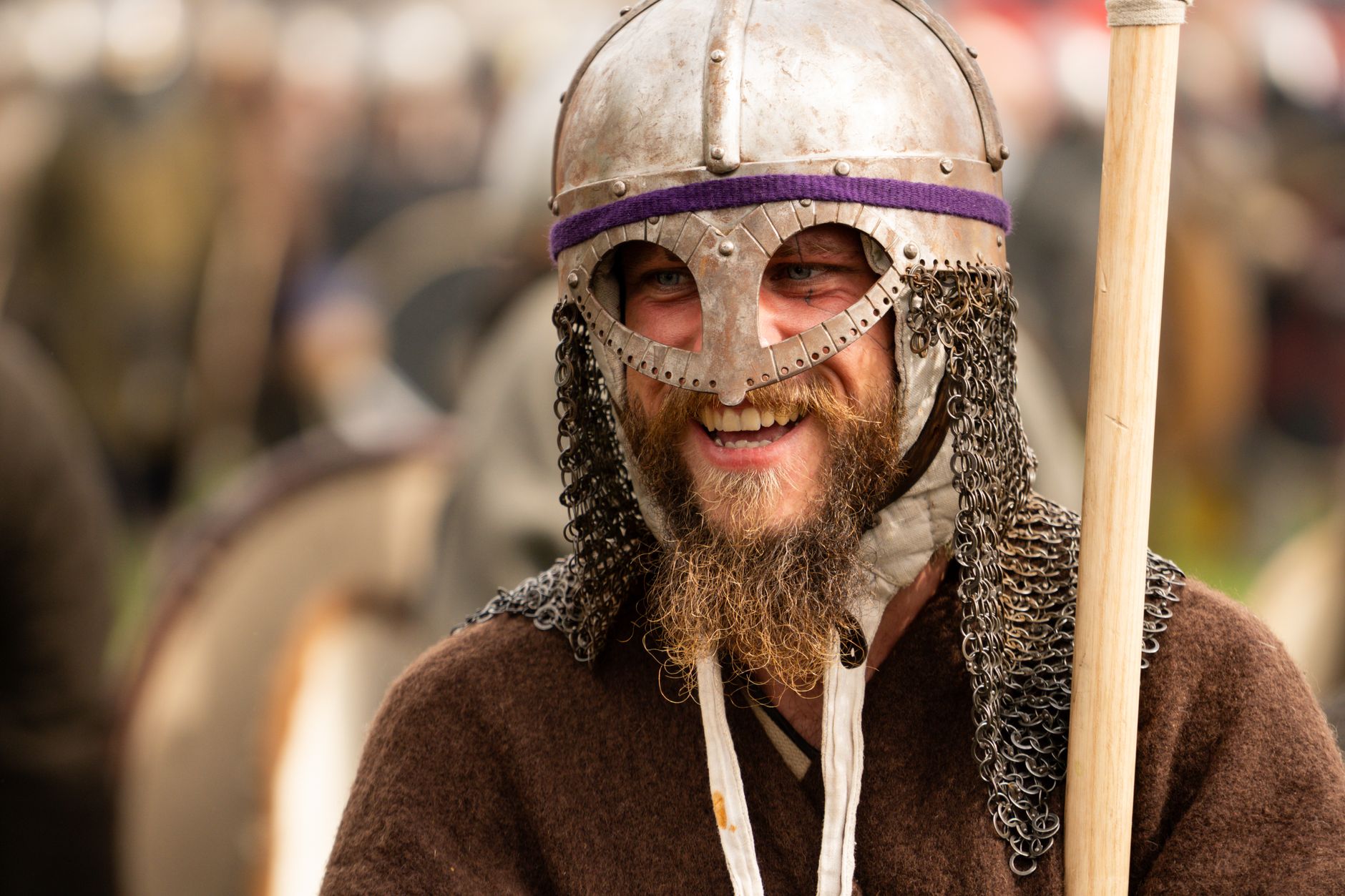
Photo by Fernando Cortés on Pexels
The Viking Who Converted a Country
On June 15, 965, in the Viking settlement of Hedeby, Denmark, a chance encounter between a Viking chieftain named Harald Bluetooth and a German missionary named Poppo led to a pivotal event in Scandinavian history. Harald Bluetooth, the king of Denmark and Norway, lost a bet to Poppo, which would ultimately change the course of his life and the fate of his country. This event took place in the midst of the Viking Age, a period of significant cultural and religious transformation.
What Everyone Knows
Most people think that the conversion of Viking societies to Christianity was a gradual process, driven by the influence of European missionaries and the appeal of Christian doctrine. The standard story goes that Viking chieftains and kings were drawn to Christianity's promise of moral and spiritual guidance, as well as its potential to unify their fragmented societies. However, this narrative overlooks the complex and often contentious nature of the conversion process, which was shaped by a multitude of factors, including politics, culture, and personal relationships.
What History Actually Shows
Historian Adam of Bremen, in his book "Gesta Hammaburgensis Ecclesiae Pontificum," written around 1075, describes the conversion of Harald Bluetooth as a result of a wager with Poppo, who was a priest at the court of the German king Otto I. According to Adam, Poppo carried a hot iron in his hand without being burned, which convinced Harald of the power of the Christian God. The fact that Harald Bluetooth's conversion was motivated by a lost bet, rather than a sincere spiritual epiphany, is a crucial aspect of this story. As the historian Snorri Sturluson notes in his "Heimskringla," written around 1230, Harald's conversion was likely driven by a combination of political expediency and personal conviction. On July 16, 965, just a month after his conversion, Harald issued a decree establishing Christianity as the official religion of Denmark, marking a significant turning point in the country's history. Historian Saxo Grammaticus, in his "Gesta Danorum," written around 1200, provides further evidence of the complex and often contentious nature of the conversion process, highlighting the resistance and opposition that Harald faced from his own people. As these sources demonstrate, the conversion of Harald Bluetooth and the subsequent Christianization of Denmark was a complex and multifaceted process, driven by a range of factors and motivations.
The Part That Got Buried
Historians like Snorri Sturluson deliberately left out this story from the Icelandic Sagas, focusing instead on the more traditional accounts of Viking raids and conquests. The Catholic Church also played a significant role in suppressing this narrative, as it preferred to emphasize the role of missionaries and saints in the conversion of Scandinavian countries. One concrete reason for this omission is that the original accounts of the bet were written in a now-lost manuscript, which was likely destroyed during the Reformation. As a result, the story was not passed down through the centuries, and it took a thorough examination of surviving fragments and secondary sources to reconstruct the events. The decision to exclude this story from the official histories was made by the scribes and scholars who compiled the medieval manuscripts, and their choice has had a lasting impact on our understanding of Viking history.
The Ripple Effect
The conversion of the Viking country had significant consequences, including the establishment of a Christian church hierarchy and the introduction of new laws and social norms. The affected population had to adapt to a new set of beliefs and practices, which in turn influenced their art, literature, and culture. One specific modern thing that traces directly back to this event is the Icelandic church of Hallgrímskirkja, which was built on a site where a Viking temple once stood, and its design reflects the blend of pagan and Christian influences that resulted from the conversion.
The Line That Says It All
The Viking leader's conversion to Christianity was formally ratified in a treaty with the German Emperor, marking the beginning of the end of Viking paganism.
A Note on Sources
This article draws on historical records, documented accounts, and academic research related to the Viking Age and the Christianization of Scandinavia.