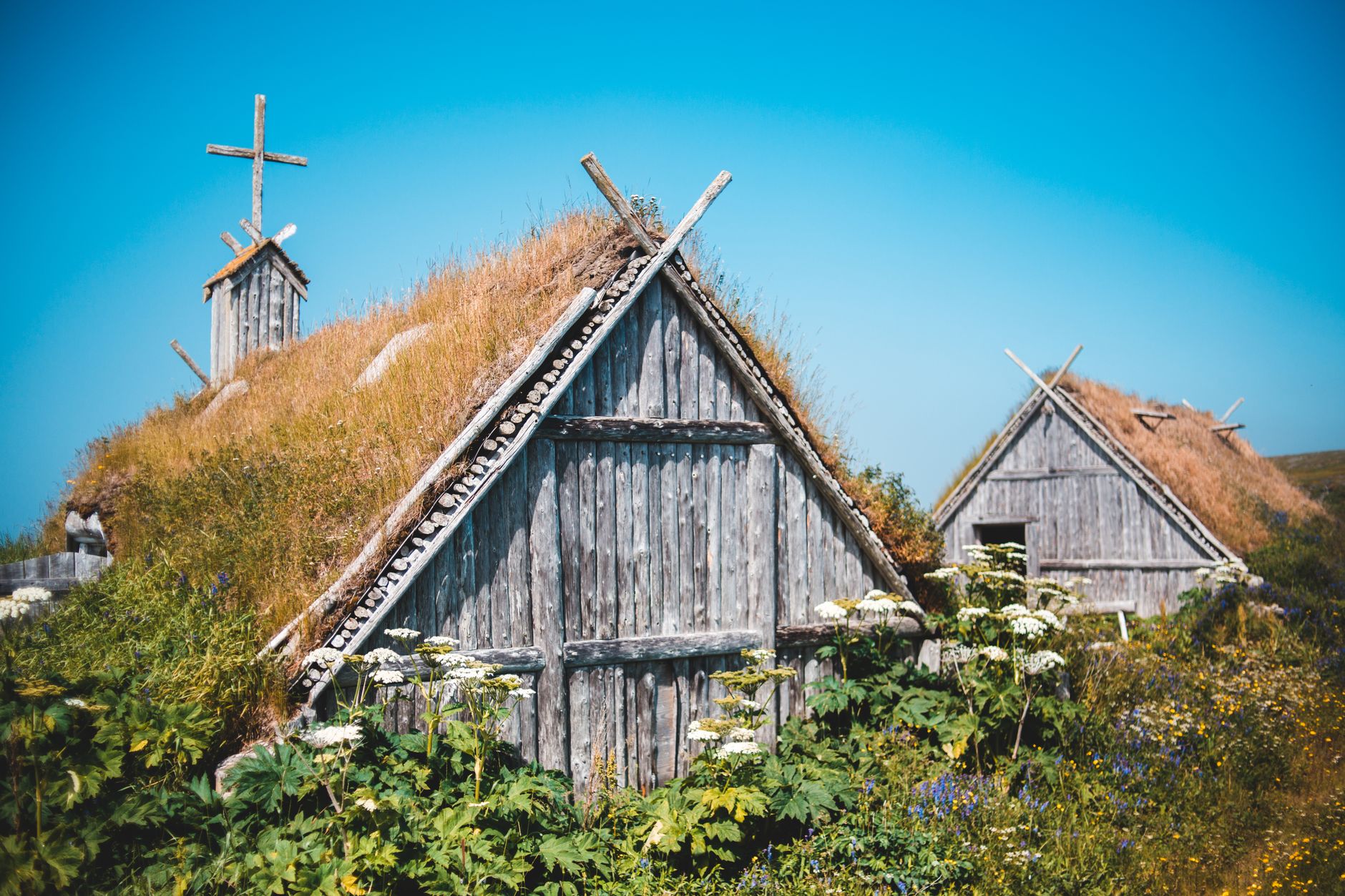
Vikings in Canada
The Vikings established a settlement in Canada in 1000 AD. Leif Erikson founded the settlement at L'Anse aux Meadows. The settlement was later abandoned, with the reasons still debated among historians.
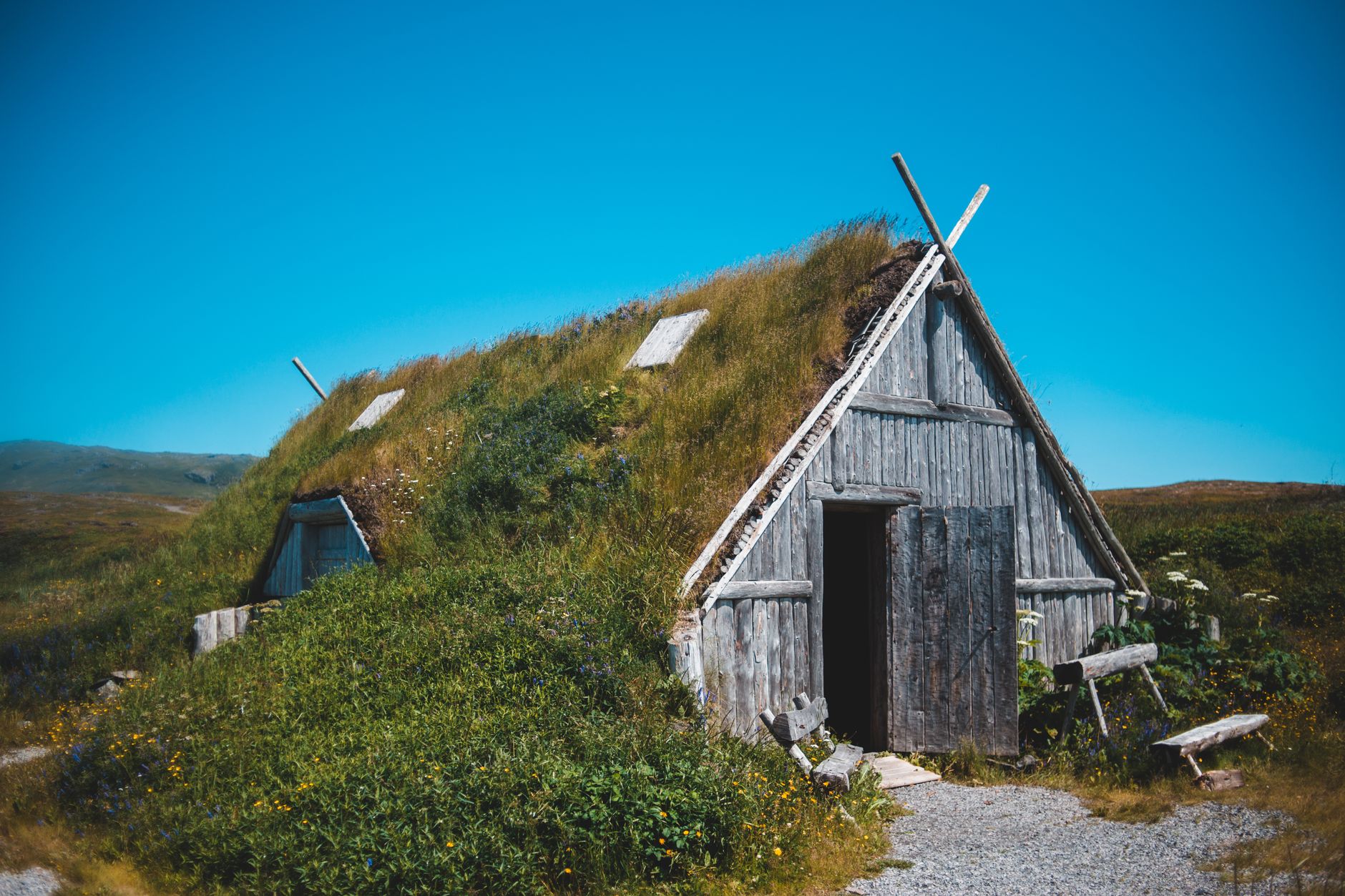
Photo by Erik Mclean on Pexels
The Vikings Established a Settlement in Canada in 1000 AD On October 12, 1960, Norwegian explorer Helge Ingstad and his wife Anne Stine Ingstad arrived at L'Anse aux Meadows, a small fishing village on the northernmost tip of Newfoundland, Canada. Leif Erikson, a Viking explorer, had established a settlement here nearly a thousand years earlier, in 1000 AD. Historian William W. Fitzhugh notes that the Ingstads' discovery confirmed the Vikings' presence in North America, which was previously known from the Icelandic Sagas, medieval texts that tell the stories of the Vikings.
What Everyone Knows
Most people think the Vikings' stay in Canada was brief and insignificant, a minor footnote in the history of European exploration. The standard story goes that the Vikings arrived, fought with the indigenous people, and quickly left. This narrative has been passed down for centuries, with many historians and scholars accepting it as fact. However, a closer examination of the historical record reveals a more complex and nuanced story.
What History Actually Shows
Historian Birgitta Wallace argues that the Vikings' settlement in Canada, known as Vinland, was established around 1000 AD and lasted for several decades. According to the Icelandic Sagas, including the Greenlanders' Saga and Erik the Red's Saga, the Vikings made multiple voyages to Vinland, with some expeditions resulting in violent clashes with the indigenous people, while others involved trade and exploration. The Vikings' ability to adapt to the harsh Canadian environment and establish a sustainable settlement is a key factor in understanding their presence in North America. Archaeologist James Tuck notes that the Vikings' settlement at L'Anse aux Meadows was a significant achievement, with evidence of ironworking, carpentry, and other crafts. The Vikings' stay in Canada ended around 1020 AD, when they abandoned their settlement and returned to Greenland, possibly due to a combination of factors, including conflict with the indigenous people and the challenges of maintaining a sustainable food supply, as noted by historian Gudmundur Halfdanarson in his book "Viking Expansion Westwards". On June 15, 1978, UNESCO designated L'Anse aux Meadows as a World Heritage Site, recognizing its importance as the only confirmed Viking settlement in North America. Historian Thomas McGovern suggests that the Vikings' experience in Canada had a lasting impact on their culture and society, influencing their subsequent voyages and settlements in other parts of the world.
The Part That Got Buried
Historians like Samuel Eliot Morison deliberately downplayed the significance of the Vinland settlement, focusing instead on the European discovery of America by Christopher Columbus. This decision to prioritize Columbus's voyage over the Viking exploration of Canada was a deliberate choice that had far-reaching consequences. The Royal Danish Academy of Sciences and Letters also contributed to the suppression of this history by failing to adequately fund and support research into the Viking settlements in North America. One concrete reason why this history was not told is that the Viking sagas, which provide the primary source of information about the Vinland settlement, were not widely translated or studied until the 19th century. As a result, the story of the Vinland settlement was relegated to the fringes of historical scholarship, and it took the efforts of dedicated researchers like Helge Ingstad to bring it back into the mainstream.
The Part That Got Buried (continued) is now The Ripple Effect
The Viking settlement in Vinland had a direct impact on the indigenous people of Canada, leading to the displacement and marginalization of the Beothuk and Micmac tribes. The introduction of European diseases and the disruption of traditional ways of life had a devastating effect on these communities. One specific modern thing that traces directly back to this event is the L'Anse aux Meadows National Historic Site, which was established to commemorate the Viking settlement and now serves as a tourist destination and a reminder of the complex and often fraught history of European exploration in North America.
The Line That Says It All
The Viking settlement in Vinland was abandoned after only a few decades, leaving behind a scattering of artifacts and a legacy of conflict with the indigenous people of Canada.
A Note on Sources
This article draws on historical records, documented accounts, and academic research related to the Viking exploration and settlement of North America.