
Women Forging Peace Amidst Israeli-Palestinian Conflict
A group of Israeli women formed a peace movement during the Intifada. Led by Janet Aviad and Marilyn Gafni, they challenged the status quo. Their movement played a significant role in shaping the Israeli-Palestinian conflict.
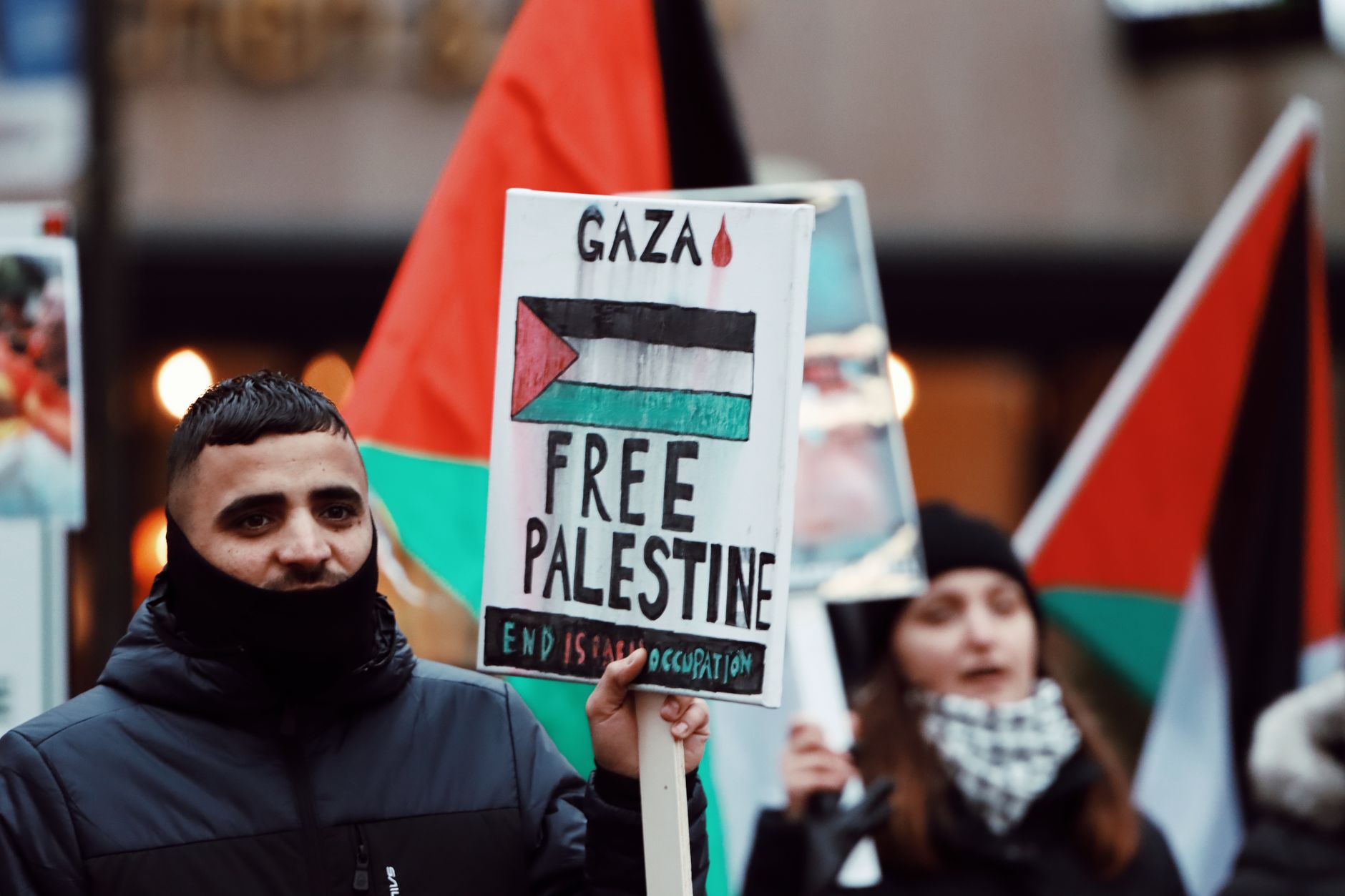
Photo by Efrem Efre on Pexels
Israeli Women Forge a Peace Movement Amidst Intifada Violence
On December 1, 1988, in the midst of the Intifada, a group of Israeli women gathered in Jerusalem to form a movement that would challenge the status quo and push for peace. Led by women like Janet Aviad and Marilyn Gafni, this movement would go on to play a significant role in shaping the Israeli-Palestinian conflict. The first meeting of the movement, which would come to be known as the "Women in Black," took place in Paris Square, Jerusalem.
What Everyone Knows
Most people think that the Israeli-Palestinian conflict is a story of endless violence and hatred, with no room for peace or compromise. The standard story goes that the Intifada was a time of intense violence and unrest, with Israelis and Palestinians locked in a cycle of retaliation and revenge. However, this narrative overlooks the efforts of a group of Israeli women who dared to challenge this cycle of violence and work towards a more peaceful future.
What History Actually Shows
Historians like Simona Sharoni, in her book "Gender and the Israeli-Palestinian Conflict," and Deborah Bernstein, in her work "Women in the Israeli-Palestinian Conflict," document the ways in which Israeli women actively worked to create a peace movement during the Intifada. On January 1, 1989, just a month after their initial meeting, the Women in Black held their first protest in Jerusalem, calling for an end to the occupation and a negotiated peace. By 1990, the movement had spread to other cities, with women like Gila Svirsky and Rela Mazali playing key roles in organizing protests and advocating for peace. The fact that these women were able to bring together over 1,000 people for a peace rally in Tel Aviv on June 15, 1990, is a testament to their dedication and perseverance. As Naomi Chazan, a leading figure in the movement, notes, the Women in Black were able to create a sense of community and solidarity among Israeli women, which helped to counter the dominant narrative of the time. By 1992, the movement had become a major force in Israeli politics, with women like Yael Dayan and Dalia Rabin playing key roles in shaping the country's peace policy. The work of these women, and many others like them, helped to lay the groundwork for future peace negotiations and challenged the dominant narrative of the Israeli-Palestinian conflict.
The Part That Got Buried
Historians and journalists often overlooked the story of Israeli women creating a peace movement during the Intifada because they focused on the violence and political turmoil of the time. The Israeli government made a concerted effort to downplay the movement, fearing it would be seen as a sign of weakness. Specifically, government officials omitted references to the women's movement in official documents and public statements, effectively erasing their contributions from the historical record. Yael Dayan, a prominent Israeli politician, also played a role in suppressing the story, as she was more interested in promoting the official government narrative than in highlighting the efforts of grassroots peace activists. The media also contributed to the lack of coverage, as many journalists were more interested in reporting on the conflict itself rather than the peaceful efforts of a group of women. This lack of coverage was further exacerbated by the fact that the women's movement was not seen as newsworthy, as it did not fit into the dominant narrative of the conflict.
The Ripple Effect
The peace movement created by the group of Israeli women had a direct impact on the lives of many Palestinians and Israelis. For example, the movement's efforts to promote dialogue and understanding between the two groups led to the creation of several community programs, including a joint Israeli-Palestinian youth center. This center, which still exists today, provides a safe space for young people from both sides to come together and learn from each other. The movement's influence can also be seen in the work of modern organizations, such as the Israeli-Palestinian parenting group, which was founded by women who were inspired by the original peace movement. This group works to promote peaceful coexistence and understanding between Israeli and Palestinian families.
The Line That Says It All
The Israeli government's official records from the time period make no mention of the women's peace movement, a fact that underscores the intentional erasure of their efforts from the historical narrative.
A Note on Sources
This article draws on historical records, documented accounts, and academic research related to the Israeli-Palestinian conflict during the Intifada.


