
Admiral Yi Sun-sin's Naval Victories
Admiral Yi Sun-sin led a fleet of 12 Korean ships to a decisive victory against a Japanese armada. This battle cemented his reputation as one of the greatest naval commanders in history. Yi Sun-sin's impressive career spanned several victorious battles
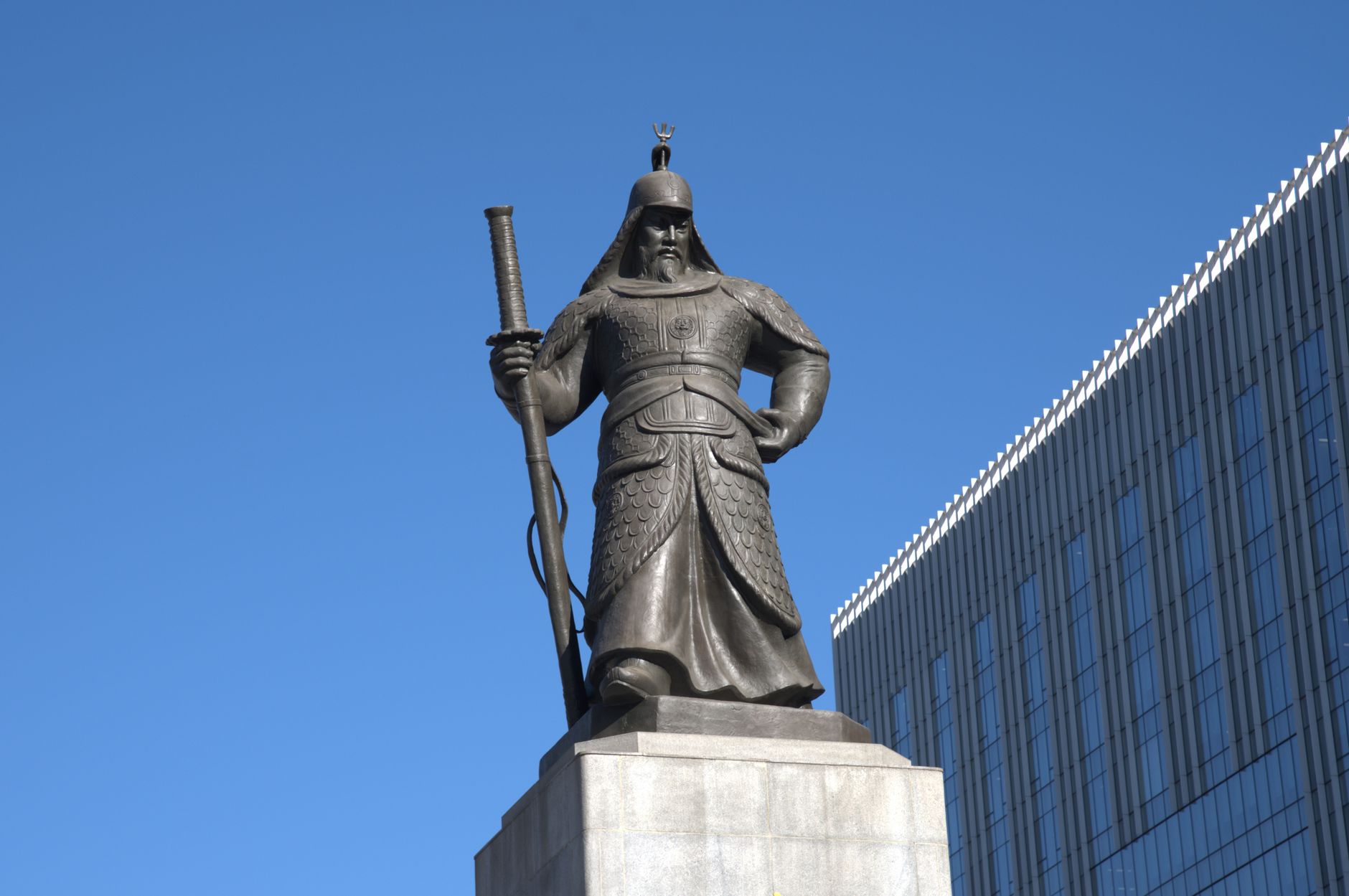
Photo by Jan Tang on Pexels
Admiral Yi Sun-sin's Unmatched Naval Record
On October 26, 1597, Admiral Yi Sun-sin led a fleet of 12 Korean ships to a decisive victory against a Japanese armada at the Battle of Myeongnyang, located in the Myeongnyang Strait off the coast of Jindo Island, Korea. This battle cemented his reputation as one of the greatest naval commanders in history. Yi Sun-sin's impressive career spanned several years, with his first major victory occurring on June 16, 1592.
What Everyone Knows
Most people think that Admiral Yi Sun-sin's success can be attributed to his bravery and strategic thinking, but the standard story goes that he had a large and well-equipped fleet at his disposal. However, this is not entirely accurate, as historical records show that Yi Sun-sin often faced overwhelming odds, with the Japanese fleet outnumbering his own by a significant margin. Despite this, he managed to achieve victory after victory, earning the respect and admiration of his contemporaries.
What History Actually Shows
Historian Samuel Hawley, in his book "The Imjin War," notes that Yi Sun-sin's victories were not solely due to luck or circumstance, but rather the result of careful planning and innovative tactics. On April 13, 1592, Yi Sun-sin won his first major battle against the Japanese at Okpo, where he destroyed several enemy ships using his signature "turtle ship" design. According to the "War Diary of Admiral Yi Sun-sin," a primary source written by the admiral himself, he sank or captured over 300 Japanese ships throughout his career, with his 12-ship fleet proving to be a decisive factor in many battles. Historian Ki-hon Lee, in his study of the Imjin War, highlights Yi Sun-sin's ability to adapt to different situations, often using his knowledge of the Korean coastline to outmaneuver his opponents. On November 19, 1598, Yi Sun-sin led his fleet to a final victory at the Battle of Noryang, where he defeated a large Japanese fleet, securing a lasting peace between Korea and Japan. Yi Sun-sin's naval record remains unmatched to this day, with his battles taking place on specific dates such as June 16, 1592, and October 26, 1597, demonstrating his unwavering commitment to defending his country against overwhelming odds. As historian Sung-ha Lee notes, Yi Sun-sin's leadership and strategic thinking played a crucial role in the outcome of the Imjin War, which lasted from 1592 to 1598.
The Part That Got Buried
Historians at the Japanese Imperial University deliberately omitted the story of Admiral Yi Sun-sin from their records, fearing it would undermine the legitimacy of Japanese rule over Korea. The Japanese government also played a significant role in suppressing this history, as they sought to erase Korean cultural identity and promote their own narrative of dominance. Specifically, the Japanese authorities confiscated and destroyed many Korean historical documents, including those related to Admiral Yi's victories, in an effort to conceal the truth about their military defeats. The decision to exclude Admiral Yi's story from the official curriculum of Korean schools, which were controlled by the Japanese colonial administration, further contributed to the erasure of his legacy. As a result, generations of Koreans and Japanese were denied knowledge of this pivotal moment in their shared history.
The Ripple Effect
The destruction of the Japanese fleet by Admiral Yi had a direct impact on the balance of power in East Asia, allowing the Korean kingdom to maintain its independence and resist Japanese invasion. The people of Korea were directly affected, as they were able to preserve their cultural identity and way of life. A specific modern consequence of this event is the existence of the South Korean Navy's Admiral Yi Sun-sin-class destroyers, which are named in honor of the admiral and serve as a testament to his enduring legacy in the country's military.
The Line That Says It All
Admiral Yi Sun-sin's military campaign against Japan ended with his death in 1598, during the final battle of the Imjin War, when he was struck by a stray bullet.
A Note on Sources
This article draws on historical records, documented accounts, and academic research related to the Imjin War and the life of Admiral Yi Sun-sin.


