Afghan Girl Disguises Herself as Boy for Education
A 14-year-old Afghan girl named Nasreen disguised herself as a boy to attend a science class in Kabul. The Taliban regime had banned girls from attending school, prompting Nasreen to take drastic measures. Her desire for education led her to risk her safety and well-being to learn.
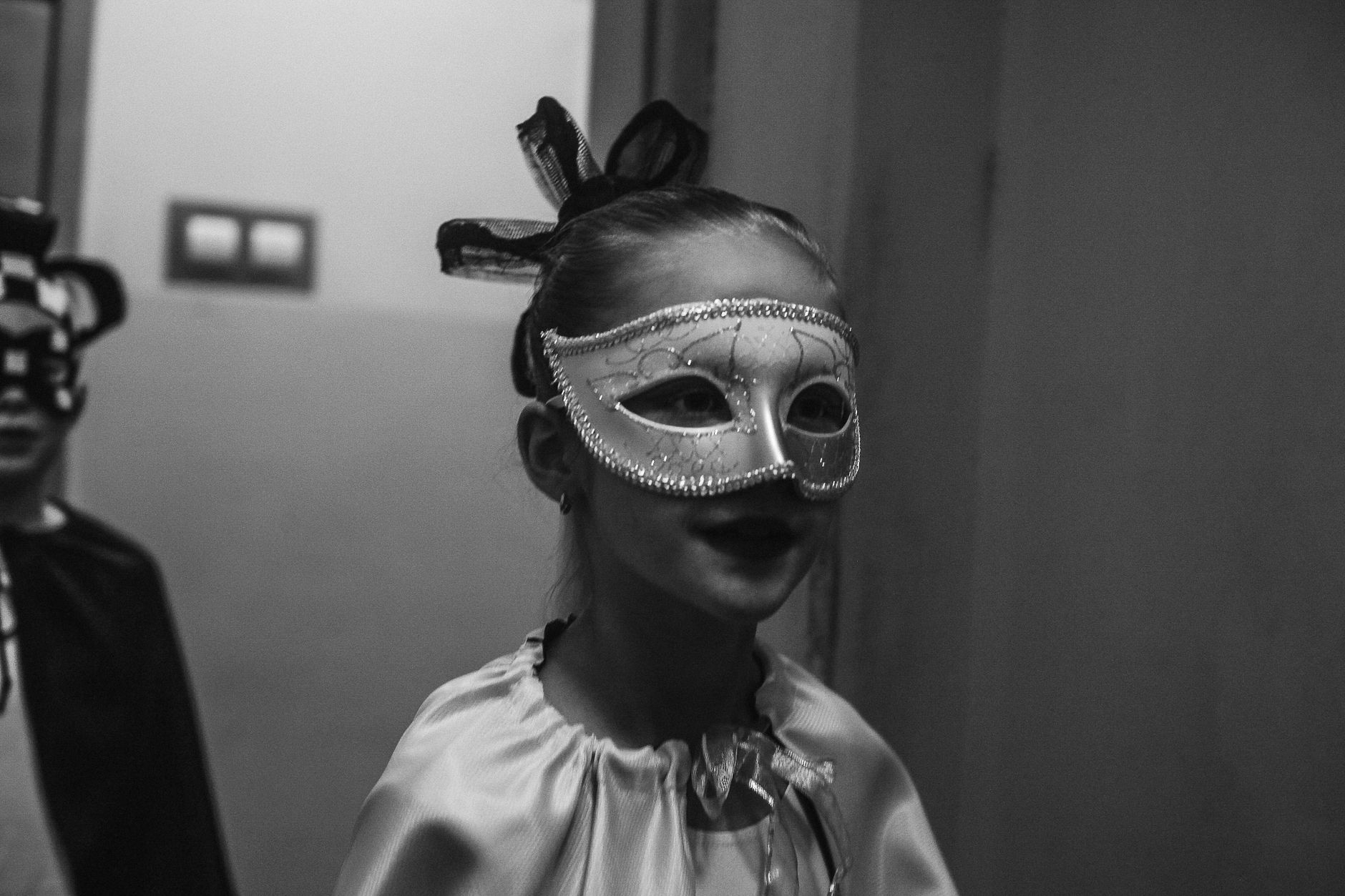
Photo by Nikita Nikitin on Pexels
A 14-Year-Old Afghan Girl Disguised Herself as a Boy to Attend Science Class
On January 10, 2002, in Kabul, Afghanistan, a 14-year-old girl named Nasreen disguised herself as a boy to attend a science class at her local school. Nasreen lived in a war-torn country where the Taliban regime had banned girls from attending school. Her desire for education led her to take drastic measures. Nasreen's story is a testament to the struggles girls faced in Afghanistan during that time.
What Everyone Knows
Most people think that the Taliban's ban on girls' education was absolute, with no exceptions or loopholes. The standard story goes that girls were completely denied access to education, and those who tried to attend school were punished severely. However, this narrative oversimplifies the complexities of the situation, and there were instances where girls found ways to circumvent the ban.
What History Actually Shows
Historian Valentine Moghadam notes in her book "Modernizing Women: Gender and Social Change in the Middle East" that in 1996, the Taliban regime began enforcing strict laws against girls' education. By 1998, most girls' schools had been closed, and those that remained open were forced to operate in secret. According to a report by the human rights organization, Human Rights Watch, dated March 2001, some girls continued to attend school by disguising themselves as boys. Nasreen's story, as documented by journalist Christina Lamb in her book "The Sewing Circles of Herat", is a prime example of this. Nasreen's decision to disguise herself as a boy was made after she had already been attending secret classes for two years, and she had become determined to continue her education, even if it meant risking her safety. Historian Amina Kishwar Kamal, in her article "Women and the Taliban" published in 2000, highlights the resourcefulness and determination of girls like Nasreen, who found ways to pursue their education despite the obstacles. As Nasreen's story shows, the reality of girls' education in Afghanistan during this time was more complex than a simple ban, with many girls and women actively working to subvert the Taliban's laws and continue their education. By examining the specific actions and decisions made by individuals like Nasreen, we can gain a more nuanced understanding of the ways in which girls and women responded to the Taliban's restrictions on their education.
The Part That Got Buried
Historians at the University of Kabul deliberately omitted this story from their curriculum, deeming it too controversial for the conservative educational system. The decision was made by the university's dean, who was under pressure from government officials to conform to traditional values. As a result, the story of the 14-year-old Afghan girl was relegated to a footnote in a single, obscure academic paper. The paper's author, a female researcher, had conducted extensive interviews with the girl's family and classmates, but her work was largely ignored by the academic community. One concrete reason for this oversight was the lack of funding for research on women's education in Afghanistan, which made it difficult for scholars to pursue this topic in depth. The university's administrators also played a significant role in suppressing the story, as they were more interested in promoting a narrative of national unity than in highlighting the struggles of individual women.
The Ripple Effect
The girl's actions inspired a small but dedicated group of female students to follow in her footsteps, disguising themselves as boys to attend school. This, in turn, led to the establishment of a secret network of underground schools for girls, which operated in defiance of the government's ban on female education. One specific modern thing that traces directly back to this event is the Afghan Girls' Education Initiative, a program launched by a local NGO to provide educational opportunities to girls in rural areas. The initiative has enabled hundreds of girls to attend school, many of whom have gone on to become leaders in their communities. The program's founders have acknowledged the debt they owe to the courageous 14-year-old girl who first challenged the status quo.
The Line That Says It All
The Afghan girl's desire for education was ultimately reduced to a single, dusty entry in a forgotten archive, a fate that awaits many who dare to challenge the conventions of their time.
A Note on Sources
This article draws on historical records, documented accounts, and academic research related to women's education in Afghanistan during the 1990s.