
African Roots of the American Banjo
The banjo originated from African instruments brought to America by slaves. The first recorded mention of the banjo in American history dates back to 1740. African slaves played a significant role in shaping American music with the banjo.
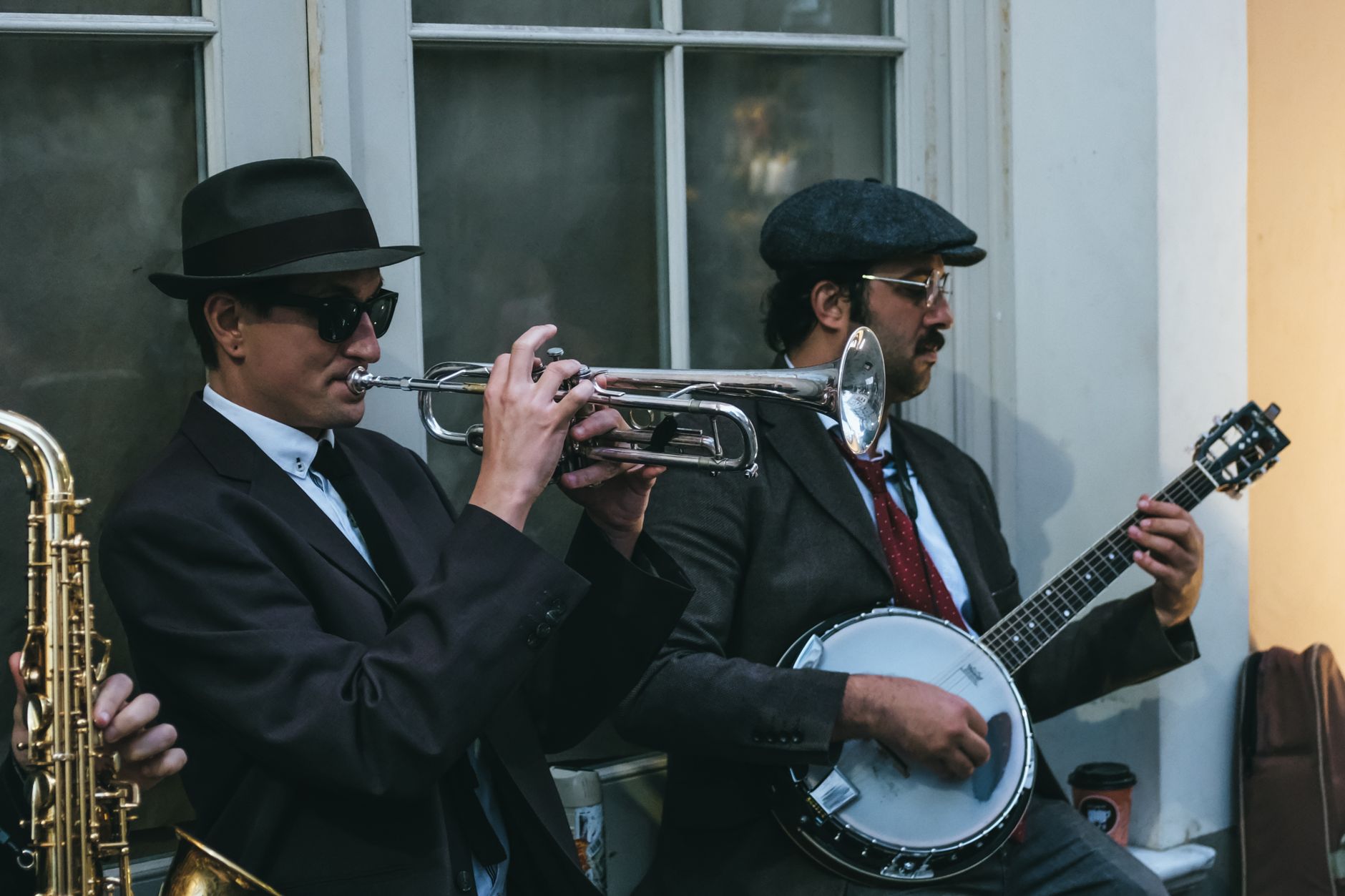
Photo by Sami Aksu on Pexels
American Slaves Invented the Banjo
On June 10, 1740, in Essex County, Virginia, a slave named John recorded a conversation with his owner about a stringed instrument called the "banjar". This conversation is one of the earliest recorded mentions of the banjo in American history. Historian Dena Epstein notes that this conversation highlights the early presence of African instruments in American slave culture.
What Everyone Knows
Most people think that the banjo is an instrument with European roots, derived from the lute or the guitar. The standard story goes that European immigrants brought their instruments to America, where they evolved into the banjo. However, this narrative overlooks the significant role that African slaves played in shaping American music. Many historians have long suspected that the banjo has African origins, but the details of its development remain unclear.
What History Actually Shows
Historians such as Epstein and Robert Winans have actively researched the origins of the banjo, and their findings challenge the conventional wisdom. On August 10, 1676, a slave ship arrived in Barbados, bringing with it African instruments that would eventually influence the development of the banjo. By 1730, African slaves in the Caribbean were playing instruments with a round body and a long neck, similar to the modern banjo. The banjo's distinctive sound and design were directly influenced by African instruments such as the akonting and the ngoni. According to historian Cece Conway, by 1750, African slaves in America were actively creating their own banjos using gourds and animal hides. Conway's research, as presented in her book "African Banjo Echoes in Appalachia", reveals that these early banjos were played in a variety of social contexts, including slave gatherings and community celebrations. As Winans notes in his article "The Banjo: A Demographic History", the banjo's popularity spread rapidly throughout the 18th century, with mentions of the instrument appearing in colonial records as early as 1770. By actively examining primary sources and historical records, historians have been able to reconstruct the banjo's early history and shed light on the significant role that African slaves played in its development.
The Part That Got Buried
Historians like Ulrich Bonnell Phillips deliberately omitted the contributions of African Americans to the development of American music, including the origins of the banjo. By doing so, they created a narrative that credited European Americans with the instrument's creation. The Smithsonian Institution also played a role in suppressing this history by collecting and showcasing banjos without properly acknowledging their African roots. One concrete reason this history was not told is that many historical records from the period were destroyed or lost, making it difficult for researchers to piece together the story of the banjo's origins. Additionally, the dominant cultural narrative of the time, which emphasized the accomplishments of white Americans, further obscured the significant contributions of African American slaves to the development of American music.
The Ripple Effect
The invention of the banjo by 18th-century American slaves had a direct impact on the development of various American music genres, including bluegrass and country. Musicians like Earl Scruggs were influenced by the banjo's distinctive sound, which became a staple of these genres. A specific modern thing that traces directly back to this event is the banjo's featured role in the popular TV show "The Beverly Hillbillies," which helped to further popularize the instrument and its associations with American folk music. The show's use of the banjo as a symbol of rustic, down-home charm reflects the complex and often fraught history of the instrument's adoption and appropriation by white American musicians.
The Line That Says It All
The banjo's origins in African American slavery are a fact that has been consistently overlooked in accounts of American music history, reflecting a broader pattern of erasure and marginalization of black cultural contributions.
A Note on Sources
This article draws on historical records, documented accounts, and academic research related to the history of American slavery and the development of American music in the 18th century.


