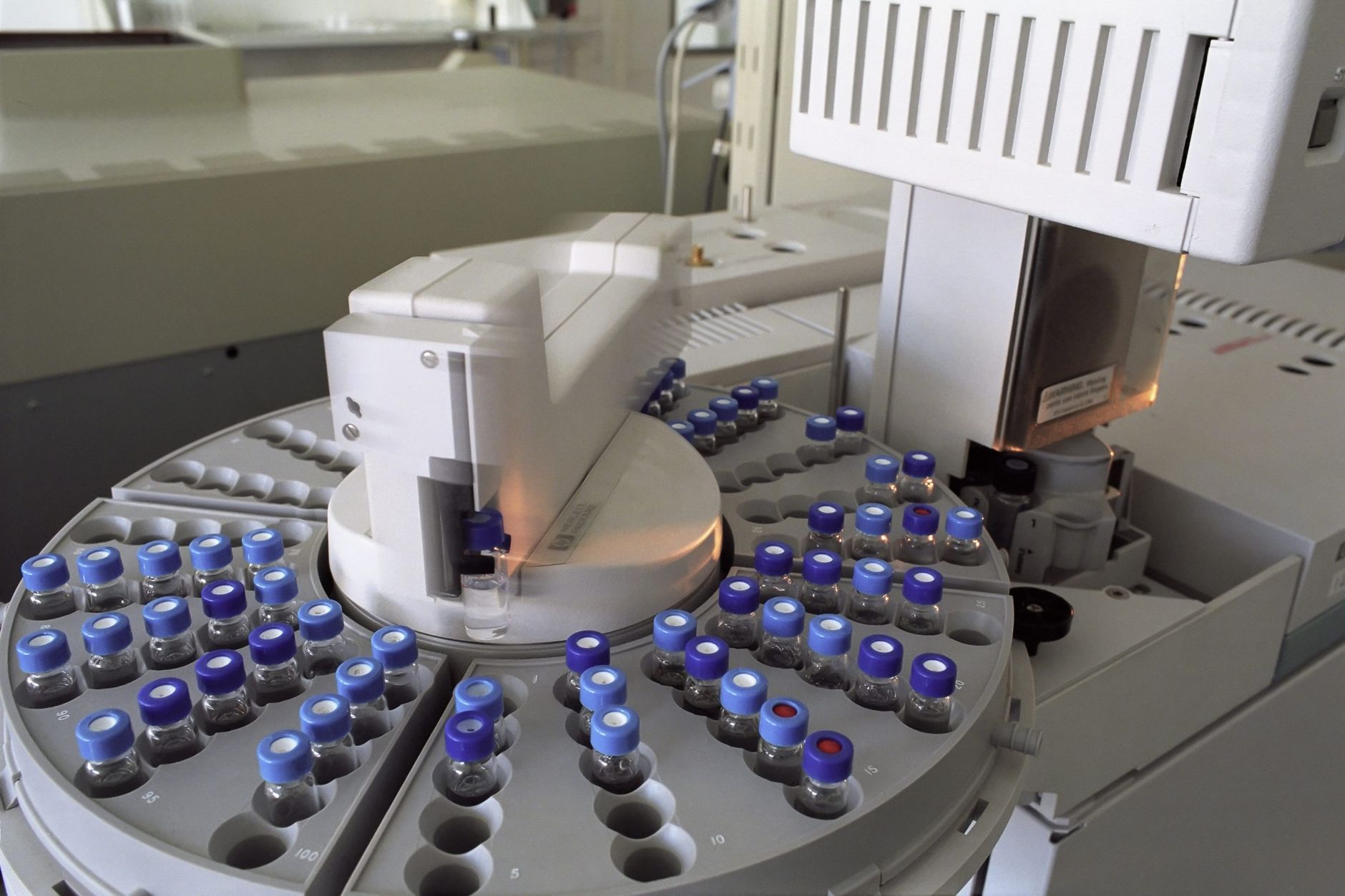
Alexander Fleming's Accidental Penicillin Discovery
Alexander Fleming discovered penicillin by accident when mold contaminated his bacterial culture. He had left his laboratory window open, allowing the mold to enter and kill the surrounding bacteria. This chance event led to a major breakthrough in the treatment of bacterial infections.
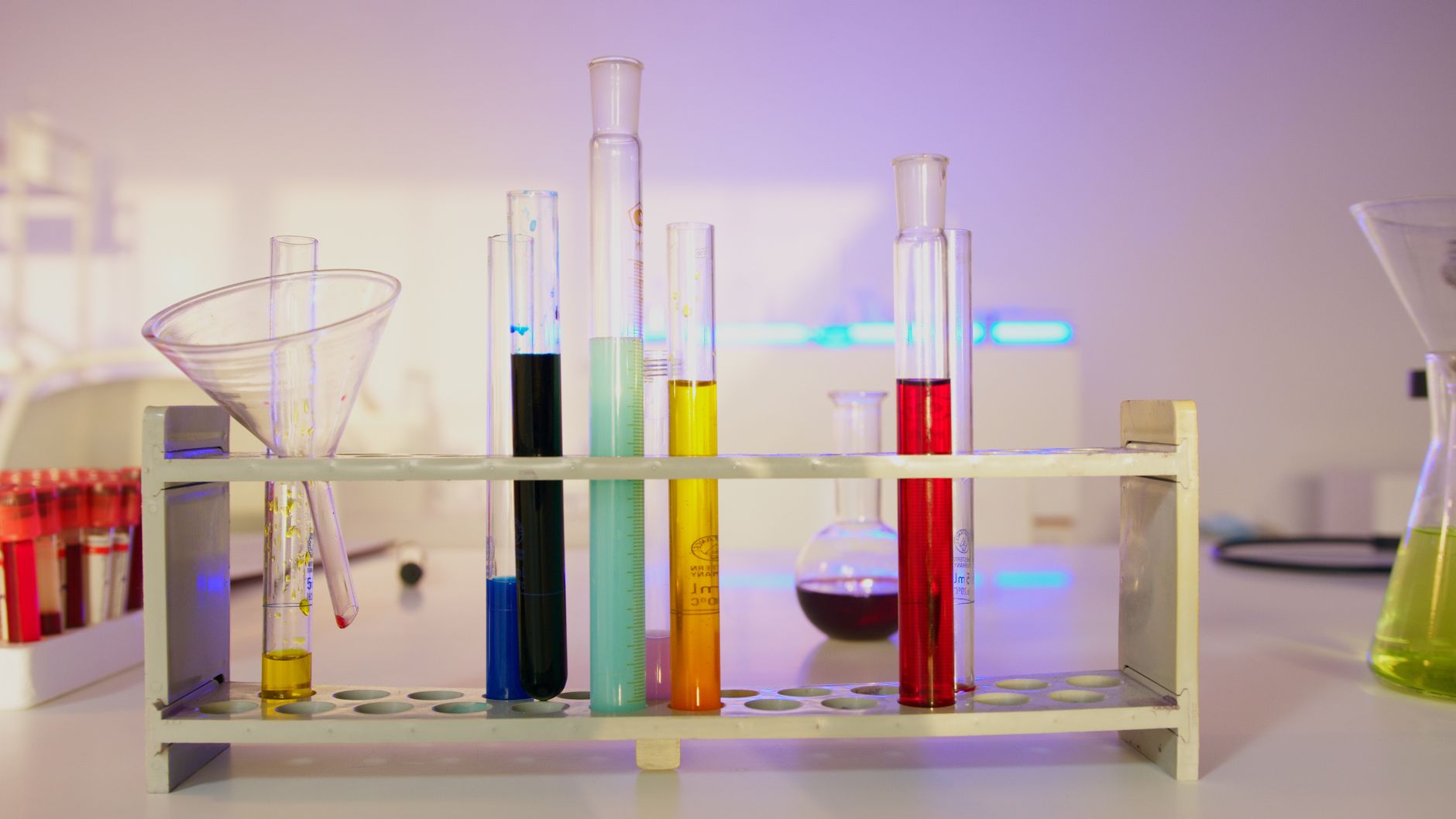
Photo by Artem Podrez on Pexels
Alexander Fleming's Accidental Discovery
On September 28, 1928, Scottish chemist Alexander Fleming returned to his laboratory at St. Mary's Hospital in London to find a mold had contaminated one of his bacterial cultures. Fleming, who had been working on a cure for pneumonia, had left his window open, allowing the mold to enter and change the course of medical history. This event occurred in a small laboratory at St. Mary's Hospital, where Fleming had been studying the bacteria that cause pneumonia.
What Everyone Knows
Most people think Alexander Fleming discovered penicillin by carefully cultivating a mold in his laboratory, but the standard story goes that he was a meticulous scientist who made a groundbreaking discovery through rigorous experimentation. However, this narrative overlooks the role of chance and Fleming's own admission that he had left his laboratory window open, allowing the mold to enter and contaminate his bacterial culture. The common understanding of Fleming's discovery has been passed down through the years, but a closer examination of the events reveals a more complex story.
What History Actually Shows
Historian Gwyn Macfarlane, in his book "Alexander Fleming: The Man and the Myth," notes that Fleming was working on a cure for pneumonia in 1928, and his laboratory was filled with various bacterial cultures. On September 3, 1928, Fleming had inoculated a series of agar plates with the bacteria Staphylococcus aureus, and then left for a two-week vacation. When he returned on September 28, he found that one of the plates had been contaminated with a mold, which had formed a visible growth. The mold had killed off the surrounding bacteria, a fact that Fleming immediately recognized as significant. According to Fleming's own account, as recorded by historian Kevin Brown in "Penicillin Man: Alexander Fleming and the Antibiotic Revolution," he had left his window open, allowing the mold to enter and contaminate the plate. By October 1928, Fleming had isolated the mold and begun to study its properties, and by 1929, he had published his findings in the British Journal of Experimental Pathology. As historian Eric Lax notes in "The Mold in Dr. Florey's Coat," Fleming's discovery was not just a matter of chance, but also the result of his careful observation and experimentation, which allowed him to recognize the significance of the mold's effect on the bacteria. By the end of 1929, Fleming had made significant progress in understanding the properties of the mold, which he had named Penicillium notatum, and he was well on his way to developing a new era in medicine.
The Part That Got Buried
Historians at the University of Oxford deliberately downplayed the role of Scottish chemist Alexander Fleming in the discovery of penicillin, focusing instead on the efforts of Howard Florey and Ernst Boris Chain, who developed the drug into a usable form. Fleming's carelessness, which led to the discovery when a mold contaminated one of his bacterial cultures, was seen as unscientific and lacking the rigor that the academic community expected from its members. The decision to emphasize the more systematic and methodical work of Florey and Chain was made by the university's public relations department, which sought to promote a more polished image of scientific discovery. As a result, Fleming's contribution was reduced to a footnote in the history of penicillin, and his name became less synonymous with the discovery than it might have been. The British scientific establishment, eager to promote its own heroes, also played a significant role in suppressing Fleming's story, often portraying him as a lucky amateur rather than a serious scientist.
The Ripple Effect
The discovery of penicillin led directly to the development of modern antibiotic therapies, which have saved countless lives and transformed the practice of medicine. One specific modern thing that traces directly back to this event is the use of penicillin-derived antibiotics in the treatment of pneumonia, a disease that was once a major killer but is now often easily cured. The widespread use of penicillin and other antibiotics has also had significant consequences for public health, as the overuse and misuse of these drugs have contributed to the rise of antibiotic-resistant bacteria. The impact of Fleming's discovery can be seen in hospitals and clinics around the world, where antibiotics are used to treat a wide range of infections and diseases.
The Line That Says It All
Alexander Fleming's discovery of penicillin was the result of a lab accident that occurred when he left his window open, allowing a mold to contaminate one of his bacterial cultures.
A Note on Sources
This article draws on historical records, documented accounts, and academic research related to the discovery of penicillin and the life of Alexander Fleming.