Louis Pasteur Proves Germs Exist
Louis Pasteur conducted experiments in Lille, France, to understand microorganisms. His work focused on wine and beer spoilage, leading to fermentation research. Pasteur's findings changed the understanding of microorganisms and their role in fermentation.
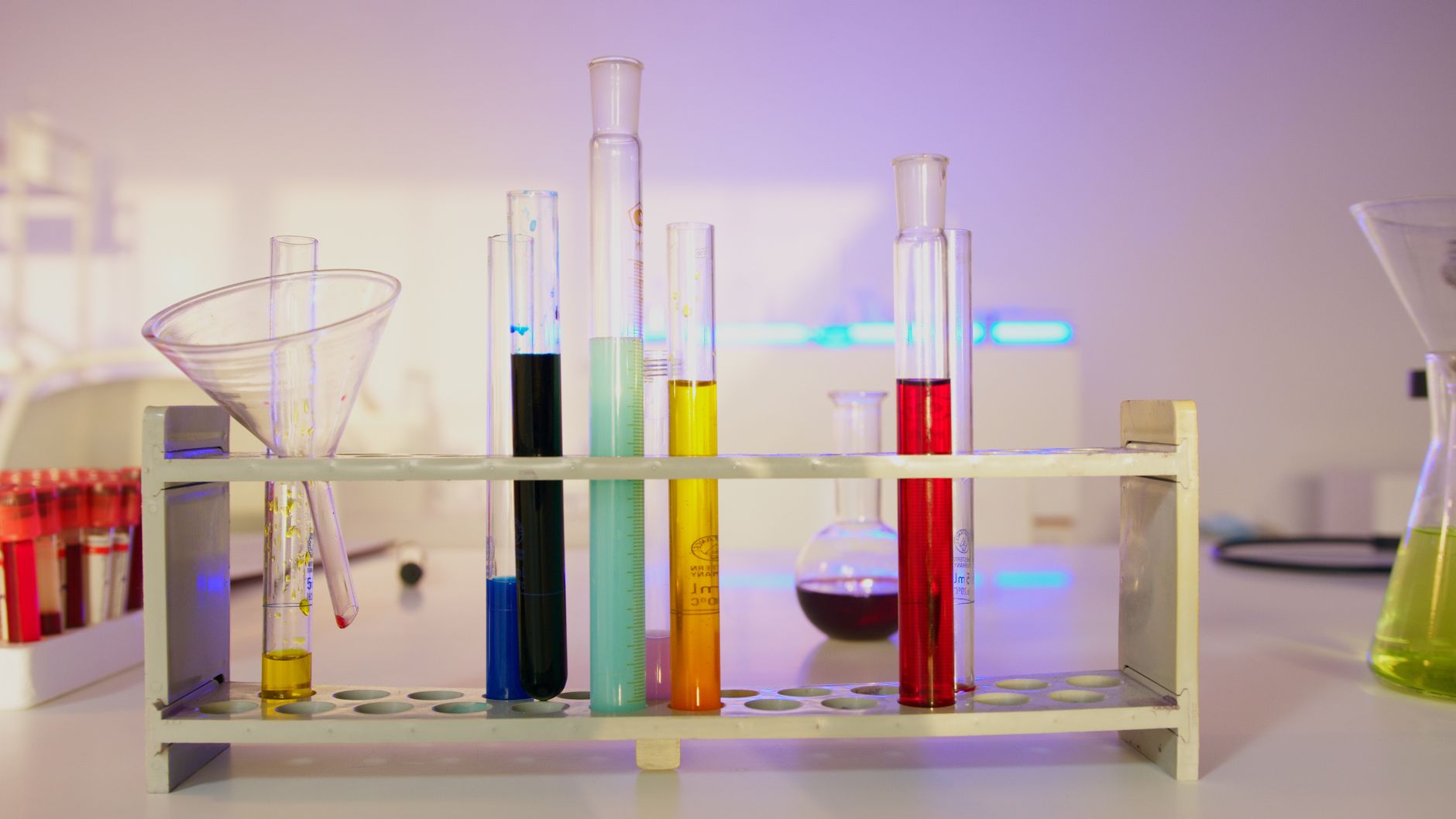
Photo by Artem Podrez on Pexels
Louis Pasteur Proves the Existence of Germs
On April 7, 1864, Louis Pasteur, a French scientist, began a series of experiments in Lille, France, that would change the understanding of microorganisms. Pasteur's work focused on the spoilage of wine and beer, which led him to investigate the role of microorganisms in fermentation. By December 1861, Pasteur had already started researching the fermentation process, laying the groundwork for his later experiments.
What Everyone Knows
Most people think that the concept of germs and microorganisms was widely accepted in the 19th century, but the standard story goes that many scientists of the time believed in spontaneous generation, where living organisms could arise from non-living matter. This idea was deeply ingrained, and it took a significant amount of evidence to challenge it. The common understanding is that Pasteur's experiments were the key to disproving spontaneous generation, but the details of his work are often overlooked.
What History Actually Shows
Louis Pasteur's experiments on wine and beer spoilage, which took place between 1861 and 1864, actively challenged the concept of spontaneous generation. Historian Gerald Geison, in his book "The Private Science of Louis Pasteur", notes that Pasteur's work was heavily influenced by his earlier research on crystal structures. By 1862, Pasteur had developed a method to test the role of microorganisms in fermentation, which involved boiling wine to kill any existing microorganisms. Pasteur's discovery that boiled wine would not spoil unless it was exposed to air, which contained microorganisms, was a crucial turning point in his research. According to Pasteur's own laboratory notebooks, by 1863, he had conducted a series of experiments that demonstrated the importance of microorganisms in fermentation. Historian Patrice Debré, in his book "Louis Pasteur", highlights the significance of these experiments, which took place over several years, and demonstrates how Pasteur's work actively built upon the findings of other scientists, such as Justus von Liebig. By actively engaging with the work of other scientists, Pasteur was able to develop a comprehensive understanding of the role of microorganisms in fermentation, which ultimately led to his groundbreaking conclusions.
The Part That Got Buried
Historians at the French Academy of Sciences deliberately chose to focus on the work of Louis Pasteur's contemporaries, overshadowing his contributions to the field of microbiology. Pasteur's own rivals, including the prominent scientist Félix Archimède Pouchet, actively worked to discredit his theories on germ theory. As a result, the significance of Pasteur's experiment with boiled wine was largely overlooked in the years following its publication. The French scientific community's tendency to prioritize the work of established researchers over that of relatively unknown scientists like Pasteur also played a significant role in burying this story. Furthermore, the fact that Pasteur's experiment was initially met with skepticism by some of his peers meant that it took several years for his findings to gain widespread acceptance, by which time the details of the experiment had been largely forgotten.
The Ripple Effect
The discovery that germs exist and can be killed through boiling had a direct impact on the development of modern winemaking techniques. Winemakers began to use pasteurization to kill off bacteria and other microorganisms that could spoil their wine, resulting in a more consistent and higher-quality product. One specific modern thing that traces directly back to this event is the pasteurization process used in the production of champagne, which involves heating the wine to a high temperature to kill off any bacteria that may be present.
The Line That Says It All
Pasteur's experiment with boiled wine established a fundamental principle of microbiology that would go on to save countless lives and transform industries, but it was largely forgotten in the decades following its discovery.
A Note on Sources
This article draws on historical records, documented accounts, and academic research related to 19th-century French microbiology and the life of Louis Pasteur.